Why Blind Spots Are More Dangerous Than Most Drivers Expect
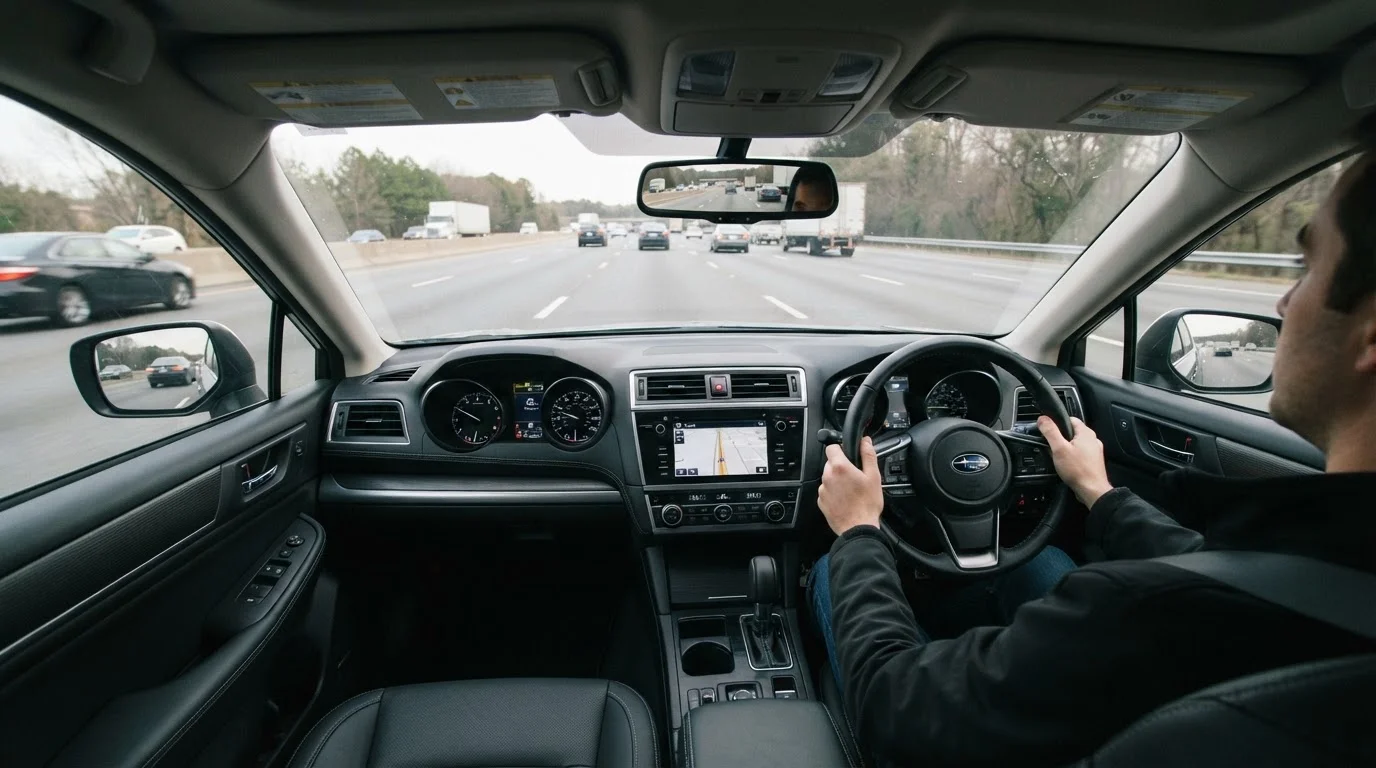
Every vehicle on the road has blind spots - areas around the car that mirrors simply cannot show the driver. These zones aren't a design flaw that can be engineered away; they're an unavoidable consequence of how mirrors work and where the human eye sits inside the vehicle. What makes blind spots dangerous isn't just their existence, but the fact that most drivers underestimate their size and don't compensate with consistent technique.
The two primary blind spots flank the rear corners of the vehicle, roughly where the C-pillars (the roof supports beside the rear windows) block the driver's sightline. On many sedans, these zones can conceal a motorcycle or compact car traveling alongside you at highway speed. On SUVs, trucks, and vans, the blind zones are substantially larger - sometimes wide enough to hide multiple vehicles. Understanding this geometry is the first step toward driving defensively around it.
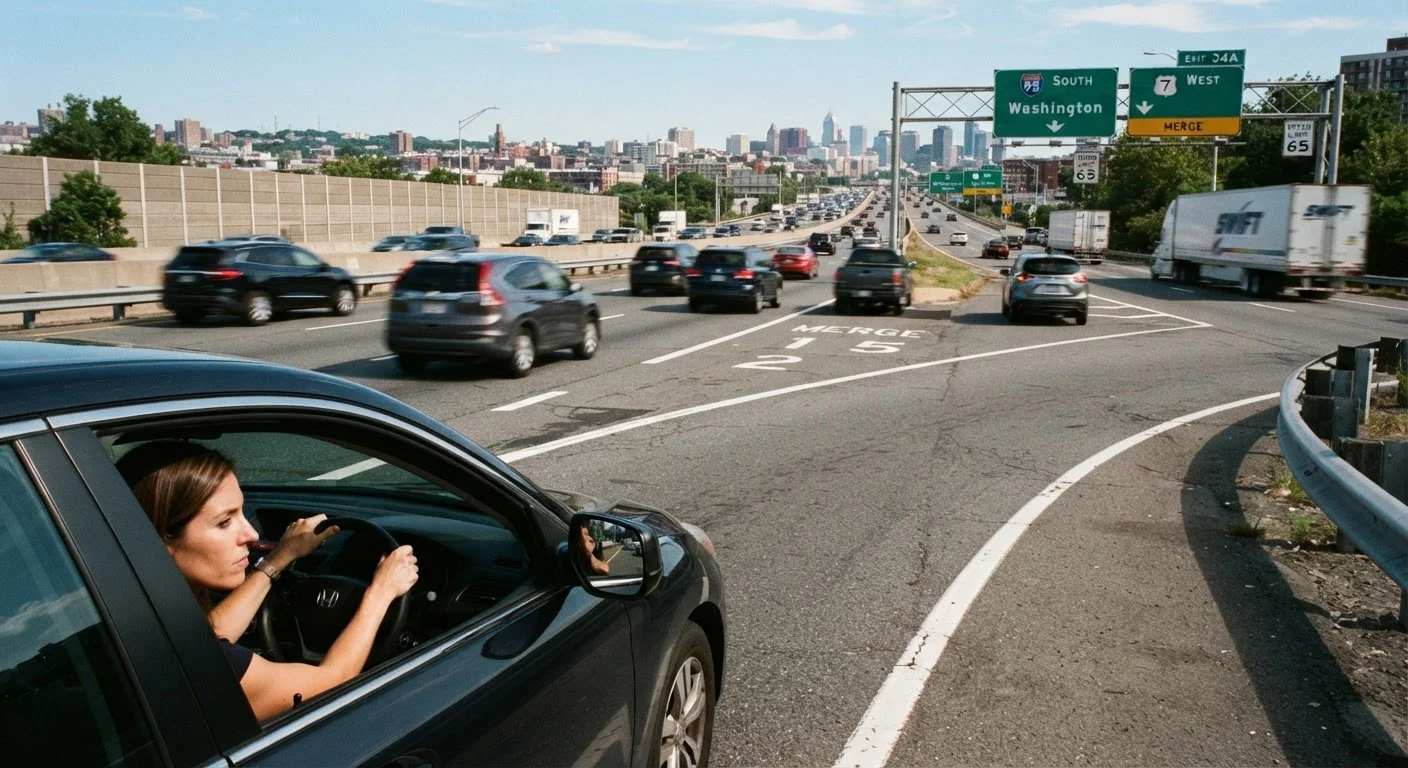
See our guide to merging and lane changes for a complete walkthrough of safe highway technique that builds on proper blind spot management.
Common Mistakes Drivers Make With Mirrors and Blind Spots
The errors below account for the majority of blind-spot-related lane-change incidents. Recognizing them is the first step to correcting them.
Positioning side mirrors so the driver can see too much of their own vehicle.
Why it happens: This is how many drivers were originally taught - seeing your own car feels reassuring and provides a reference point. In practice, it wastes mirror real estate on something you already know is there.
Skipping the physical head check before changing lanes.
Why it happens: Drivers become habituated to checking mirrors alone, especially on familiar routes. Some assume that a clear mirror view means a clear lane.
Not readjusting mirrors after other people drive the vehicle.
Why it happens: Mirror position changes with seat height and driving posture. Drivers often jump in and accept whatever setting the previous driver left.
Over-relying on blind-spot monitoring technology as a substitute for active checking.
Why it happens: Modern driver-assist features are marketed as safety nets, which leads some drivers to mentally outsource the head check to the system.
Failing to account for larger vehicles' significantly bigger blind zones.
Why it happens: Drivers who learned in a sedan often apply the same assumptions when they move to an SUV, pickup, or van without recalibrating their spatial awareness.
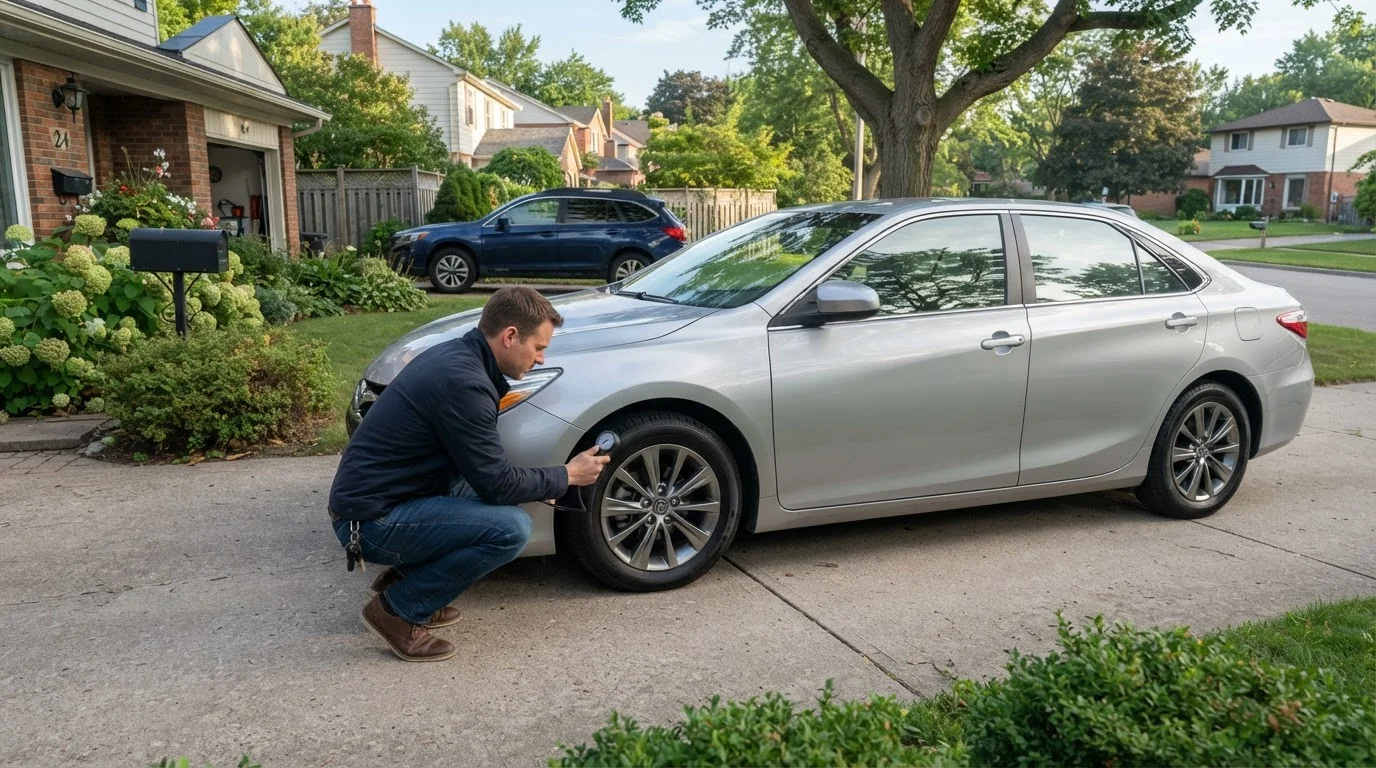
Once your mirror positioning and check routine are dialed in, pair these habits with the broader safety checks covered in our pre-trip safety checklist - including confirming mirror condition and adjustment before every drive.
How to Set Your Mirrors Correctly
The goal of proper mirror adjustment is to maximize rear and side coverage while minimizing overlap between what each mirror shows. Here's a reliable approach used by many driving instructors:
- Rearview mirror: Center it on the full rear window. You should see the entire rear windshield without tilting your head.
- Driver's side mirror: Lean your head toward the window, then adjust the mirror until you can just barely see the rear corner of your car. From your normal driving position, you won't see your own vehicle - but approaching cars will appear sooner.
- Passenger side mirror: Lean toward the center console, then adjust until you barely see the passenger-side rear corner. Again, from driving position, your car shouldn't dominate the view.
This method - sometimes called the BGE (Blind-spot Glance Elimination) technique - was promoted by automotive safety researchers in the Society of Automotive Engineers and can meaningfully reduce the gap zone beside each mirror's field of view. It won't eliminate blind spots entirely, but it shrinks them considerably compared to the traditional inward-facing setup most drivers learned.
~840,000
Annual blind-spot-related crashes in the U.S.
The National Highway Traffic Safety Administration (NHTSA) has attributed approximately 840,000 crashes per year to blind-spot factors, underscoring the real-world scale of the problem.
~14 ft
Blind zone length behind a typical SUV
Studies by traffic safety researchers have found that the rear blind zone of a typical full-size SUV can extend more than 14 feet, enough to conceal a small child or cyclist entirely.
Building a Reliable Lane-Change Routine
Correct mirror positioning only works if paired with a consistent pre-move routine. The sequence matters because each step catches what the previous one misses:
- Signal early - alerting surrounding drivers before you start moving gives them time to react.
- Check your mirrors - scan the rearview first, then the relevant side mirror.
- Perform a head check - turn your head to glance over your shoulder into the blind-spot zone. This step is non-negotiable; no mirror setup replaces it.
- Move gradually - a smooth, deliberate lane transition gives any vehicle you may have missed time to become visible and react.
Drivers who rely on blind-spot monitoring (BSM) systems should know these features vary in sensitivity and detection range. BSM typically uses radar sensors in the rear bumper and may not detect fast-approaching vehicles, cyclists, or objects close to the ground. Treat BSM alerts as a supplement to your routine, not a replacement for the head check.
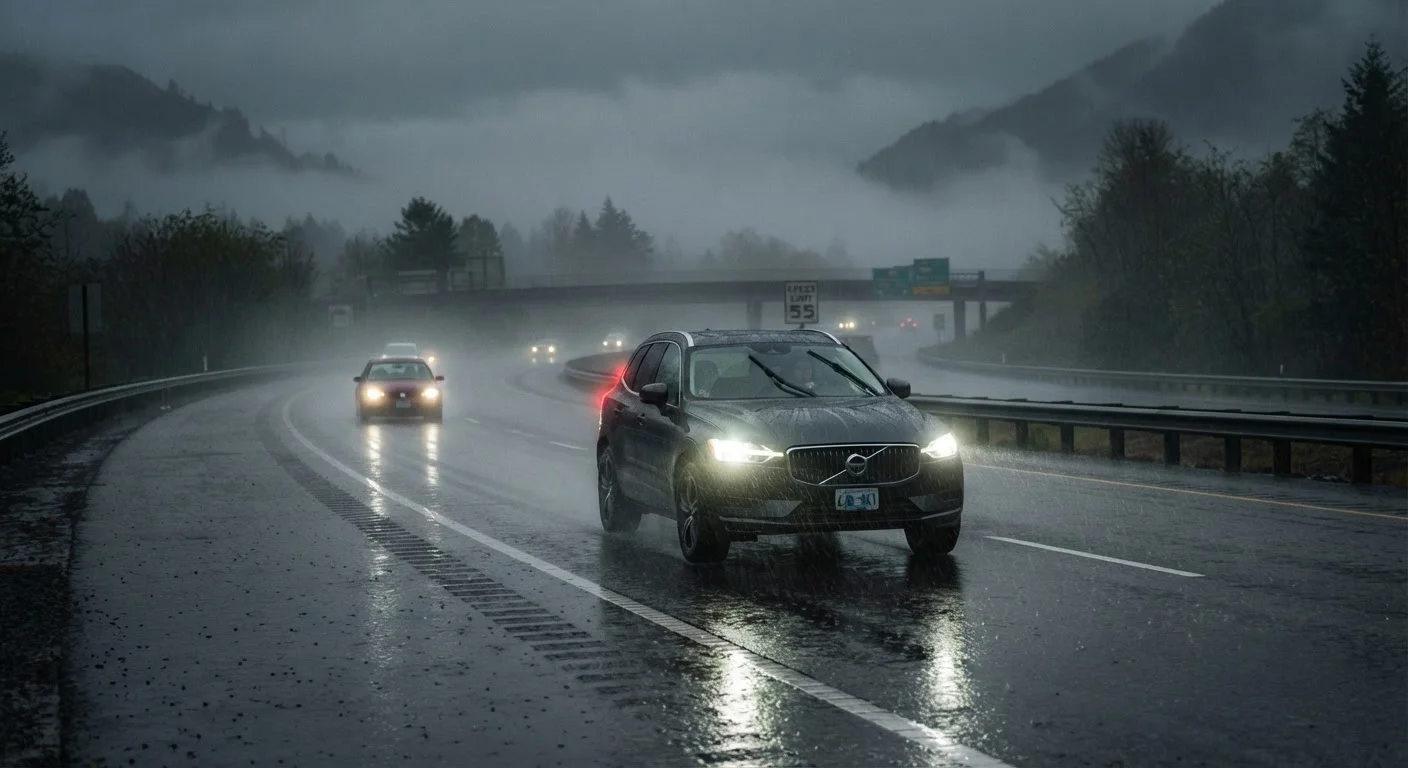
Conditions that reduce visibility - rain, fog, or darkness - compress your effective reaction window and make clean technique even more critical. Our article on driving in hazardous weather explains how to adjust your approach when visibility is compromised.