Why Seasonal Checks Matter More Than You Think
Your car endures four distinct stress environments every year. Summer heat accelerates fluid breakdown and taxes cooling systems. Winter cold thickens oil, weakens batteries, and puts extra demand on tires. Spring and fall bring rapid temperature swings, moisture, and the aftermath of whatever the previous season inflicted. Waiting for a warning light is a reactive - and expensive - strategy.
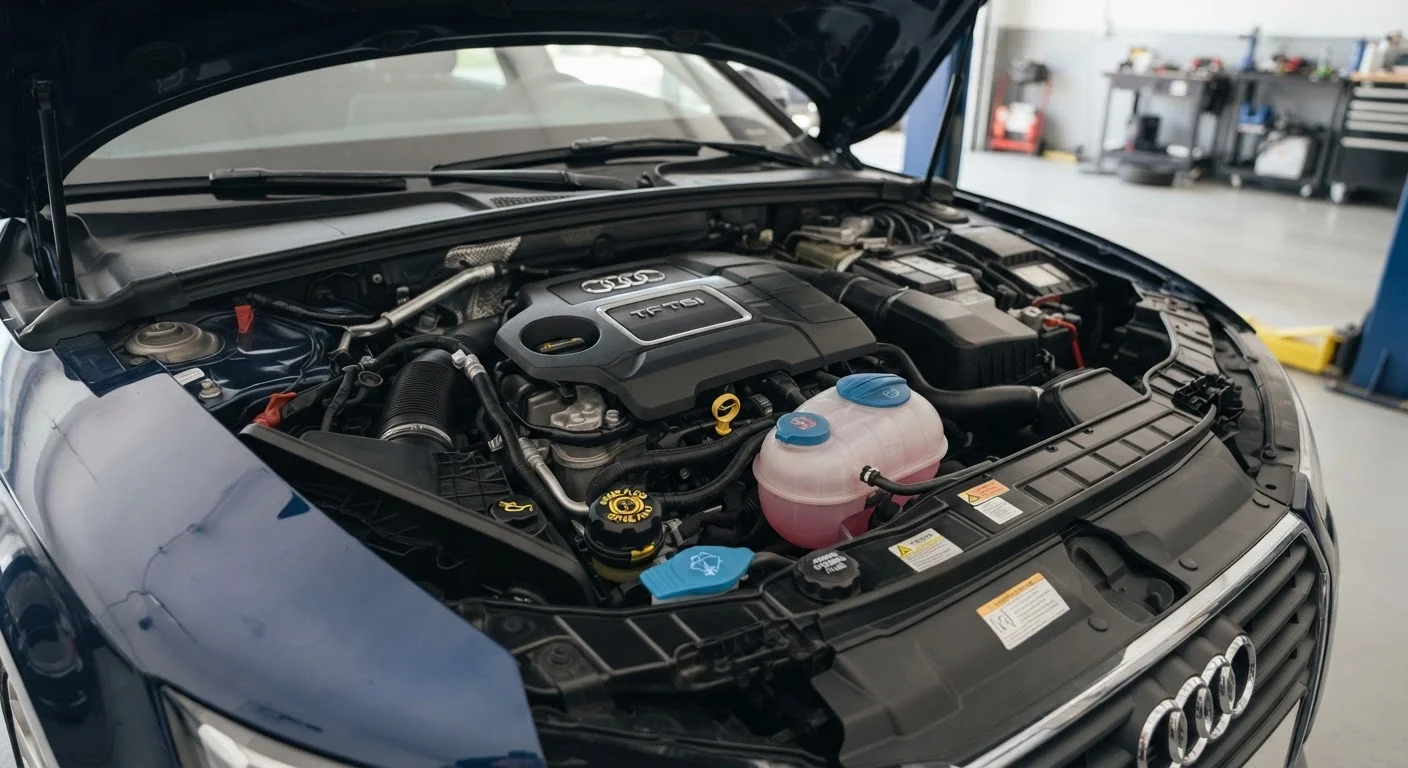
A structured seasonal inspection keeps you ahead of those stressors. Most of what's on this checklist can be done visually or with a basic pressure gauge. For a deeper look at fluid checks specifically, see how to locate, read, and refill your car's essential fluids. And if you want a broader maintenance framework, your vehicle's maintenance schedule explained is a solid companion read.
Spring (Post-Winter Recovery)
Summer (Heat and Long-Trip Prep)
Fall (Cold-Weather Preparation)
Winter (Ongoing Cold-Season Monitoring)
Tools and Resources You'll Need
You don't need a professional workshop to run through this checklist. A few basic items cover the vast majority of checks listed here. For anything flagged as requiring a mechanic - particularly brake inspections, suspension checks, or electrical diagnostics - schedule time with a qualified technician rather than improvising.
Tire pressure gauge
Accurately check tire inflation at the start of each season and monthly during temperature extremes.
Voltmeter or battery tester
Measure battery voltage to identify weakening cells before cold or heat causes a failure.
Antifreeze test strips
Verify your coolant's freeze-protection level before winter without draining the system.
Flashlight or inspection light
Illuminate dark under-hood areas, wheel wells, and the undercarriage during visual checks.
Tread depth gauge
Measure remaining tire tread to determine whether tires are safe for another season.
Microfiber cloths and fluid funnel
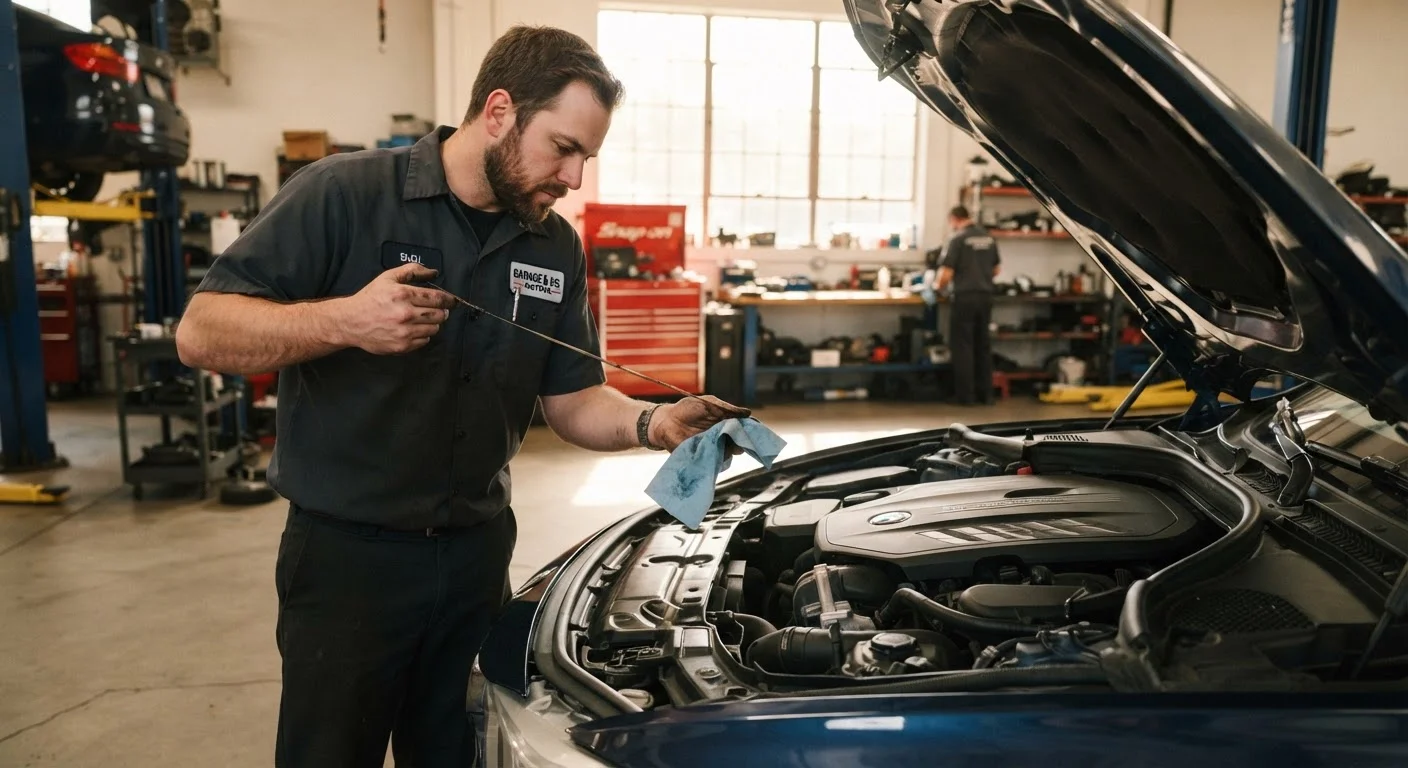
Check fluid colors and condition, and top off reservoirs cleanly without spills.
Know When to Call a Mechanic
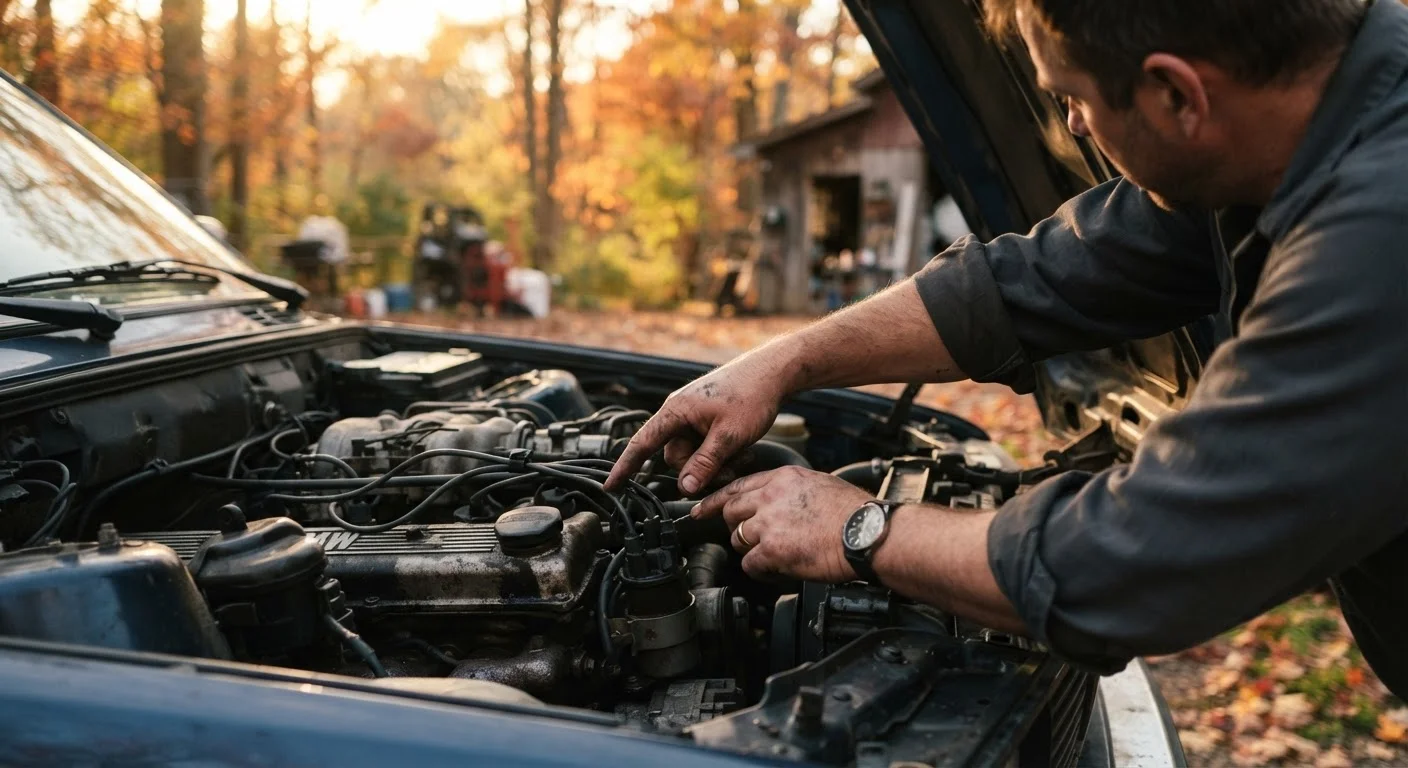
Visual checks and fluid top-offs are within reach of most drivers, but brake inspections, suspension evaluations, and electrical diagnostics should be performed by a qualified technician. If you notice brake grinding, steering pull, or dashboard warning lights during your seasonal check, do not delay professional service. Attempting complex repairs without proper training or equipment can create safety hazards beyond the original problem.
Putting It All Together
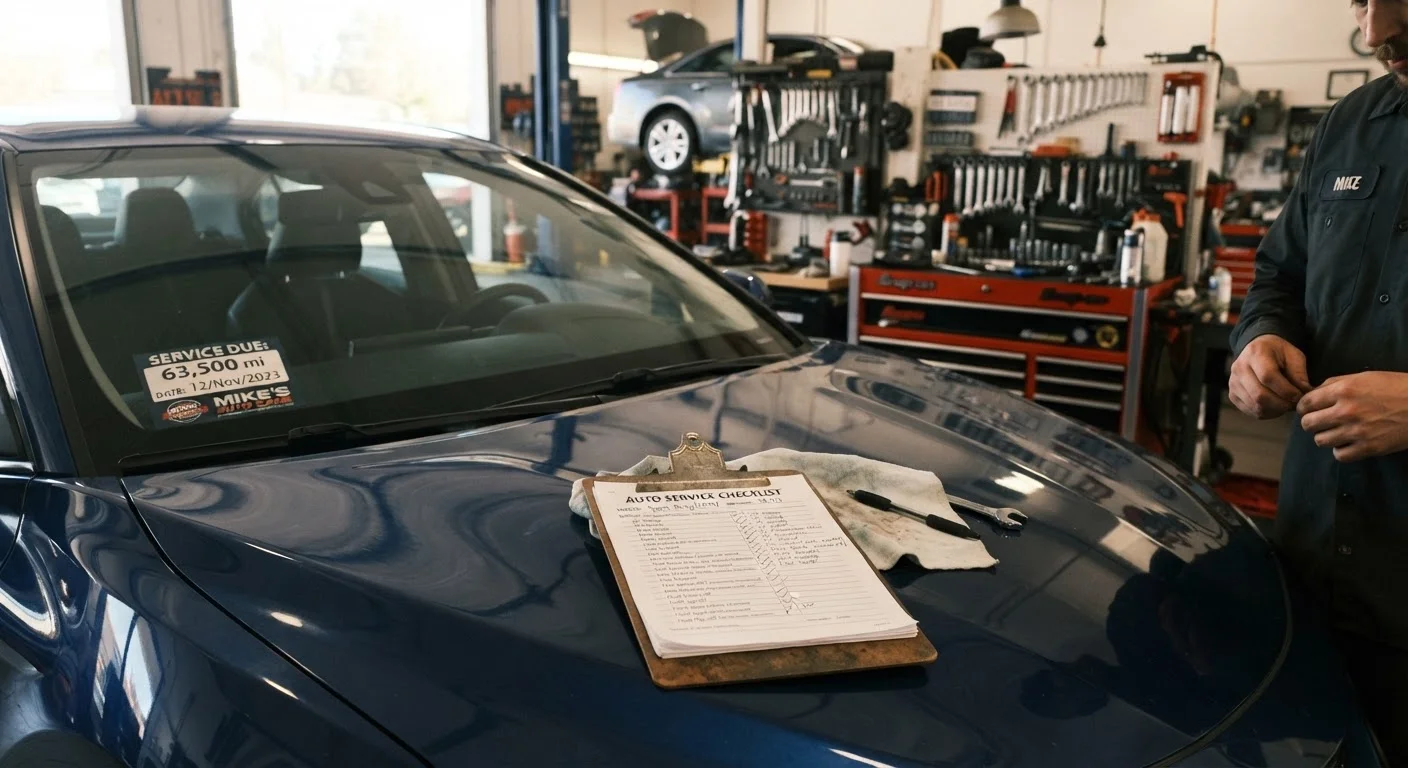
The most effective approach is to tie seasonal checks to events you already schedule - an oil change at the start of winter, a tire rotation heading into summer. That pairing means nothing gets skipped. For a full picture of routine habits that compound over time, maintenance habits that extend the life of any vehicle lays out the broader strategy. Before any long drive in between seasons, a quick run through the pre-trip safety checklist takes only a few minutes and catches last-minute issues.
Seasonal car care isn't about perfection - it's about consistency. A vehicle that gets checked four times a year is far less likely to leave you stranded than one that only sees a mechanic when something breaks. Build the habit now, and your car will reward you with reliability across every mile.