Why "Free" Is Rarely the Whole Story
Retailers operate on thin margins. When they offer free shipping or bundle multiple services together at a discount, that cost doesn't evaporate - it shifts. Sometimes it's embedded in higher base prices. Sometimes it's recovered through auto-renewals, usage-based upsells, or conditions that sound generous until you read the details. Understanding where the money actually goes is the first step to avoiding the traps.
This isn't about cynicism toward retailers - it's about realistic math. A shopper who understands how these models work is far less likely to experience the buyer's remorse that comes from discovering the real price after the fact. The patterns below recur across categories, from grocery delivery to streaming bundles to apparel memberships. Recognizing them in advance costs nothing.
See also: how inflated original prices mislead shoppers - a related tactic that operates on the same principle of obscuring real cost.
72%
Shoppers who add items just to qualify for free shipping
A National Retail Federation survey found nearly three-quarters of online shoppers have added unplanned items to their cart specifically to meet a free-shipping threshold.
$273
Average annual spend on unused subscriptions per U.S. household
Research by C+R Research found that consumers significantly underestimate what they spend on subscriptions, with a meaningful portion going toward services rarely or never used.
The Mistakes That Cost Shoppers the Most
Most of these errors don't feel like mistakes in the moment. They feel like savvy decisions - getting ahead of a shipping fee, locking in a deal before it expires, grabbing a bundle at a steep discount. That's precisely why they're worth examining carefully.
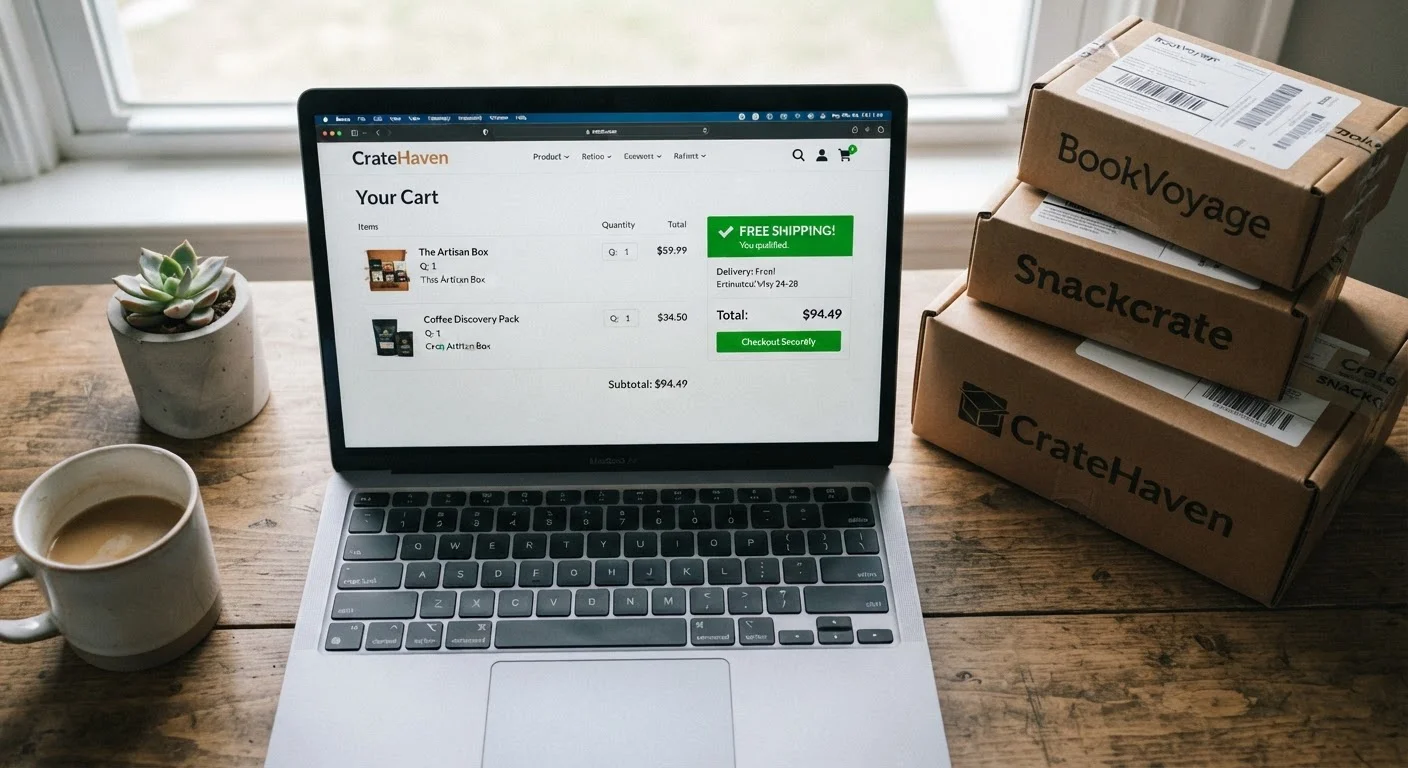
Spending more than planned just to reach a free-shipping minimum.
Why it happens: The math feels logical in the moment - spend $15 more to avoid a $7 shipping fee. But shoppers often grab a filler item they don't need, turning a small saving into unnecessary spending.
Assuming "free shipping" means the retailer absorbs the full logistics cost.
Why it happens: The word "free" implies no cost exists. In practice, shipping expenses are routinely folded into product pricing or minimum order requirements, so shoppers are paying indirectly.
Signing up for a subscription bundle without auditing how many components you'll actually use.
Why it happens: Bundle marketing emphasizes the combined value of all included services, making the package feel like a windfall. Shoppers anchor on the stated total value rather than their realistic usage.
Missing or ignoring auto-renewal notifications until after the charge appears.
Why it happens: Renewal emails are often plain-text and easy to overlook among promotional mail. Retailers legally satisfy disclosure requirements with a single email, even if it goes unread.
Accepting "free returns" as a safety net without reading the conditions.
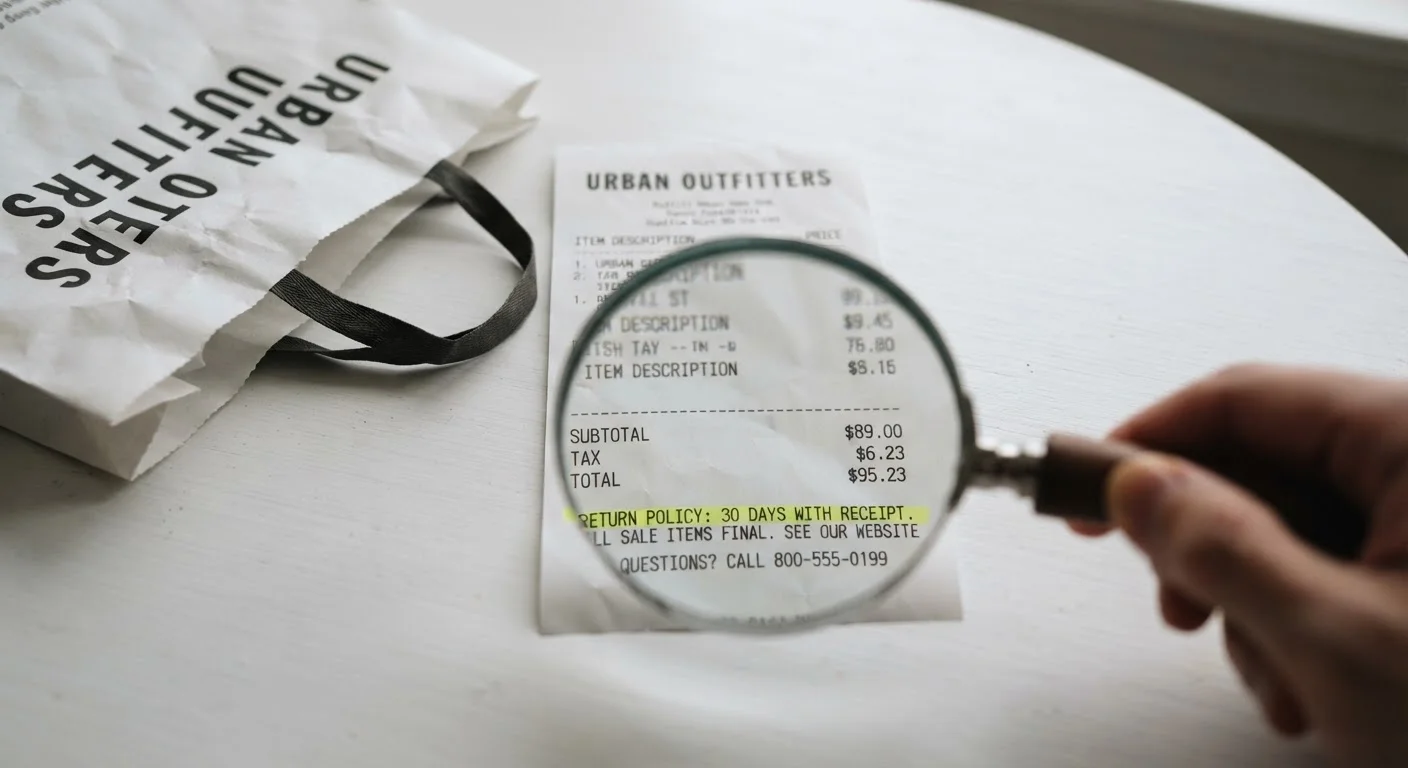
Why it happens: "Free returns" sounds unconditional, but many retailers exclude certain categories, require original packaging, or only credit store accounts rather than issuing cash refunds. Shoppers discover the restriction only after purchase.
Avoiding these patterns doesn't require distrust of every offer. It requires a few seconds of deliberate evaluation before any commitment. The checkout page is also where many shoppers leave savings behind - making it the right moment to pause and review the full picture before finalizing.
Subscriptions Can Quietly Drain Your Budget
Auto-renewal clauses are legally binding in most states - if you miss the cancellation window, you may be charged for another full cycle. Many services require cancellation days or weeks before the renewal date, not on the date itself. Before signing up, note the exact cancellation deadline in your calendar and locate the cancellation path in your account settings so you aren't scrambling later.
For a broader view of how these dynamics play out across sales and promotions, patterns that lead shoppers to overpay even during sales covers the same category of overlooked costs in a different context.