How Each Lease Structure Works
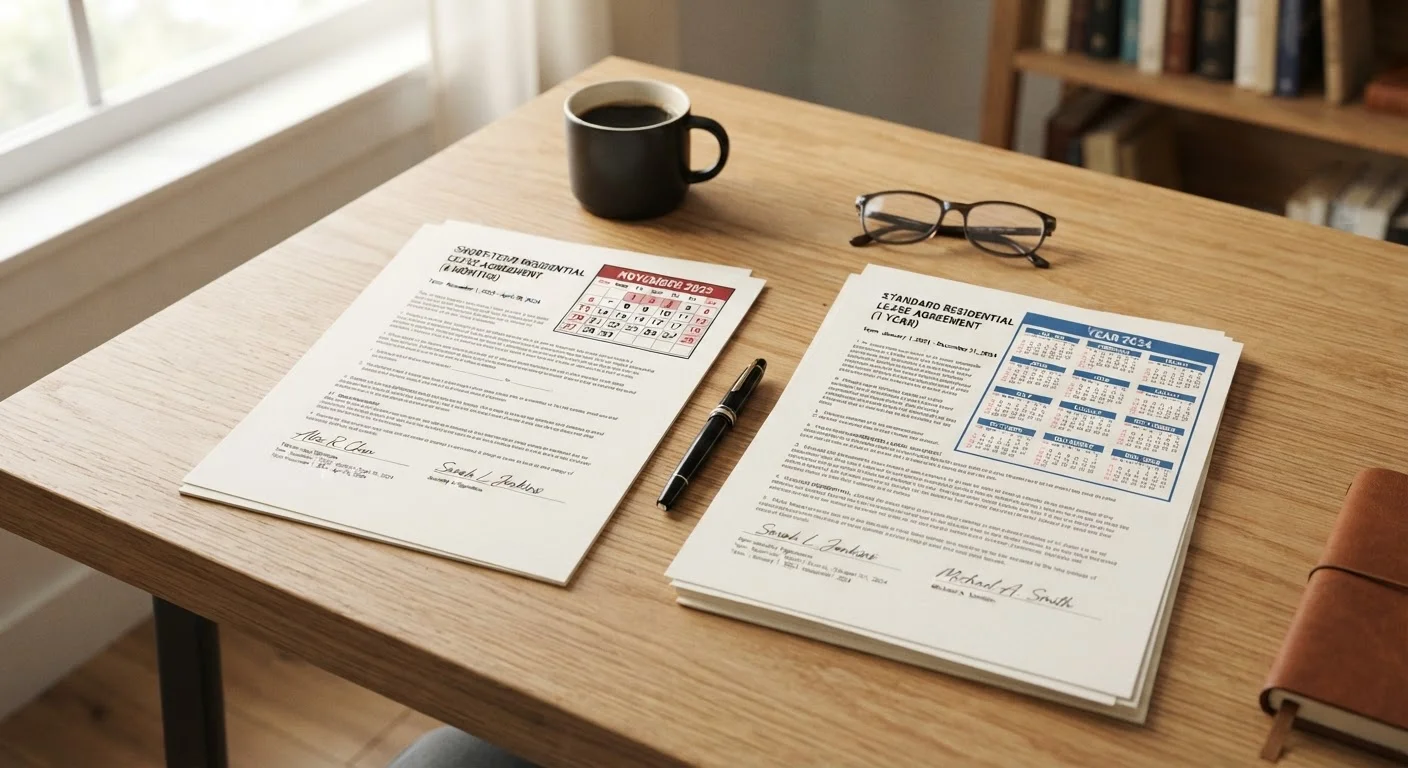
A fixed-term lease is the most common rental arrangement in the United States. It binds both renter and landlord to agreed-upon terms - typically rent amount, rules, and duration - for a defined period, most often 12 months. During that window, your landlord generally cannot raise the rent, and you cannot leave without potential financial consequence. It is, in essence, a mutual commitment.
A month-to-month lease renews automatically each month with no defined end date. Either party - landlord or tenant - can terminate the arrangement by giving advance notice, which is commonly 30 days but varies by state law. Some states allow landlords to end month-to-month tenancy with as few as 15 days' notice under certain conditions, so understanding your state's specific rules is essential.
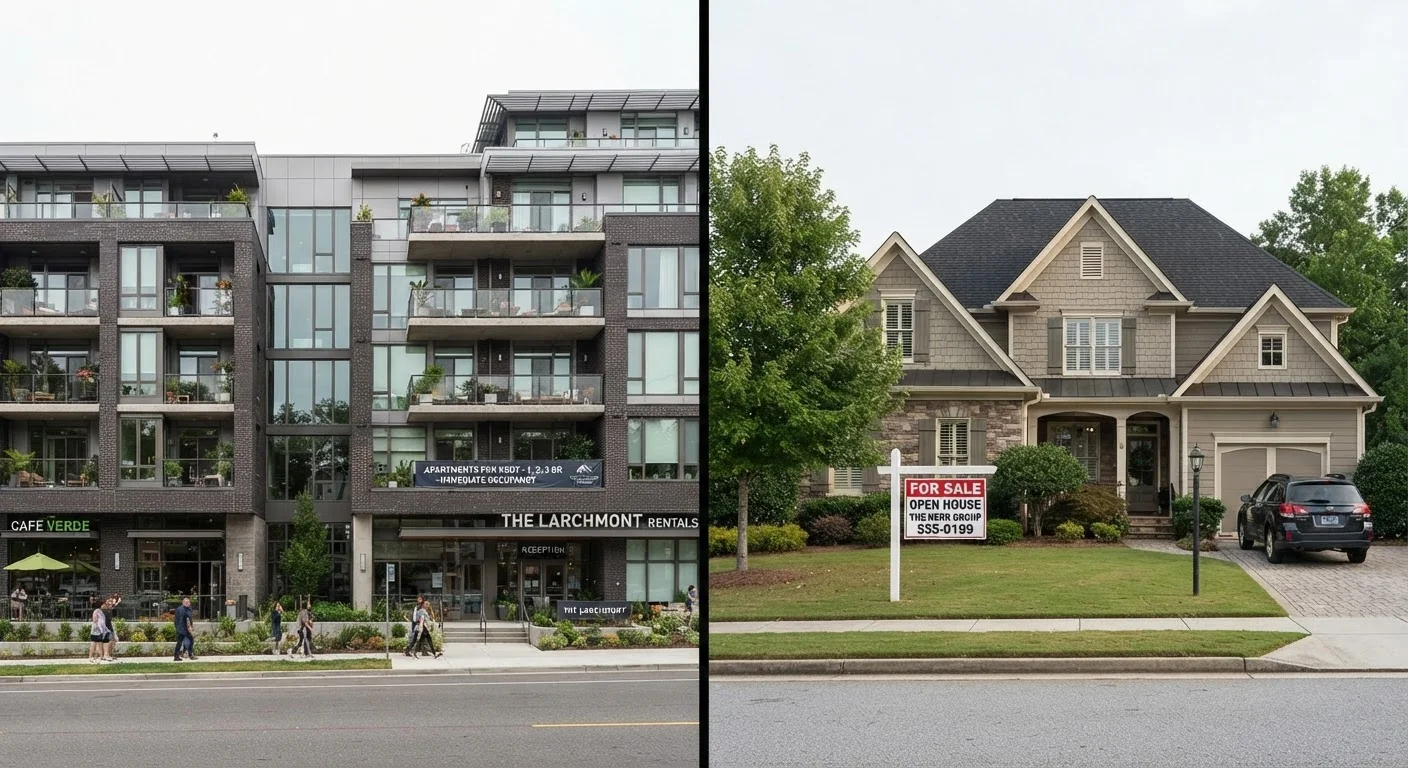
Both lease types are legally binding contracts. The key difference isn't enforceability - it's the length of that enforcement window and the flexibility each side retains. For a broader look at how rental decisions compare to homeownership, see Renting vs. Buying a Home.
| Criterion | Month-to-Month Lease | Fixed-Term Lease |
|---|---|---|
| Lease Duration | Renews monthly, no set end | Set period, typically 12 months |
| Monthly Rent Cost | Often 10-25% higher | Typically lower, locked in |
| Rent Increase Risk | Each renewal cycle | None until term ends |
| Exit Flexibility | ~30 days' notice (state-dependent) | Penalties for early exit |
| Landlord Termination Risk | Higher - short notice possible | Lower - protected for full term |
| Ideal For | Transitional or uncertain situations | Stable, long-term residents |
| Budget Predictability | Lower - rent can change | Higher - costs are fixed |
The Real Cost Differences
Flexibility comes at a price. Landlords offering month-to-month leases routinely charge a premium - often 10% to 25% more per month than they would under a fixed-term agreement - to offset the risk of unexpected vacancy. In competitive rental markets, this premium can be even steeper.
Fixed-term leases, by contrast, incentivize landlords to price more favorably because they're guaranteed a stable income stream. That predictability is passed on to the tenant as a lower base rent and immunity from mid-lease increases.
~10-25%
Typical month-to-month rent premium
Industry surveys and property management guidance consistently cite this range as a standard flexibility surcharge over comparable fixed-term rents.
30 days
Most common notice period required
Most U.S. states require landlords and tenants to give at least 30 days' written notice to terminate a month-to-month tenancy, though rules vary by state.
1-3 months
Typical early-termination fee range
Early exit from a fixed-term lease often carries a penalty of one to three months' rent, subject to what the lease specifies and local tenant protections.
It's also worth factoring in early-termination costs. If life forces you to break a fixed-term lease before its end date, you may owe anywhere from one to three months' additional rent as a penalty, depending on what your lease specifies and what state law allows. Some landlords will negotiate, especially if they can quickly find a replacement tenant, but that is never guaranteed.
If you're also weighing fixed versus variable structures in the mortgage world - a conceptually parallel decision - Fixed-Rate or Adjustable-Rate Mortgage offers a useful parallel framework.
Stability, Risk, and Who Controls the Terms
One of the most underappreciated aspects of month-to-month tenancy is how much control it grants the landlord - not just the tenant. While renters prize the exit flexibility, landlords retain the right to raise rent each month (with proper notice) or end the tenancy to renovate, sell, or move into the unit themselves, subject to local regulations.
This asymmetry is especially relevant in tight housing markets. A renter who has been month-to-month for two comfortable years can find themselves searching for housing on 30 days' notice with little legal recourse. Fixed-term leases guard against this: a landlord cannot terminate a lease in good standing before the agreed end date without legal justification.
For renters approaching the end of a fixed term and weighing whether to renew or shift to month-to-month, Lease Renewal Decisions walks through that decision in detail.
This article is for general informational purposes only and does not constitute legal or financial advice. Lease terms, tenant rights, and landlord obligations vary significantly by state and municipality. Consult a qualified legal or housing professional for guidance specific to your situation.