What These Three Patterns Have in Common
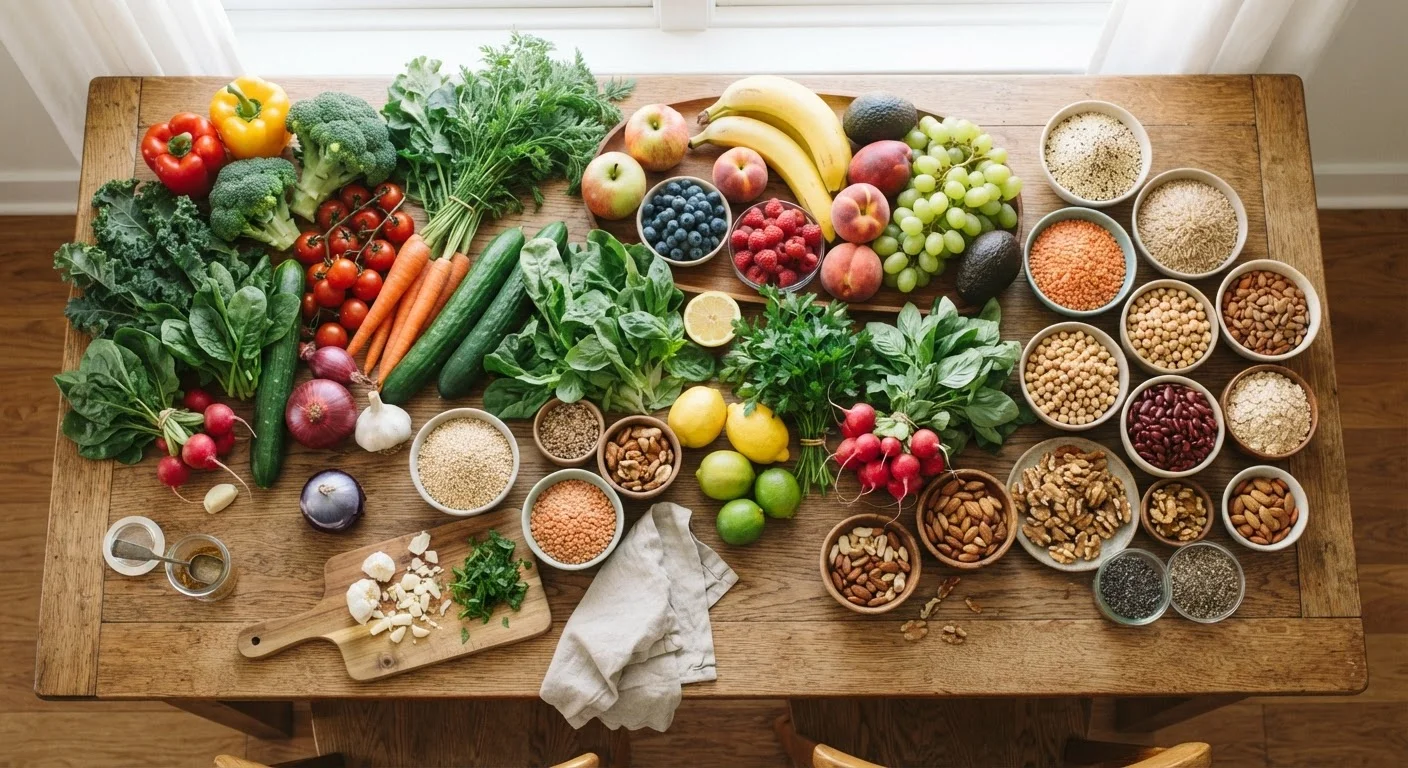
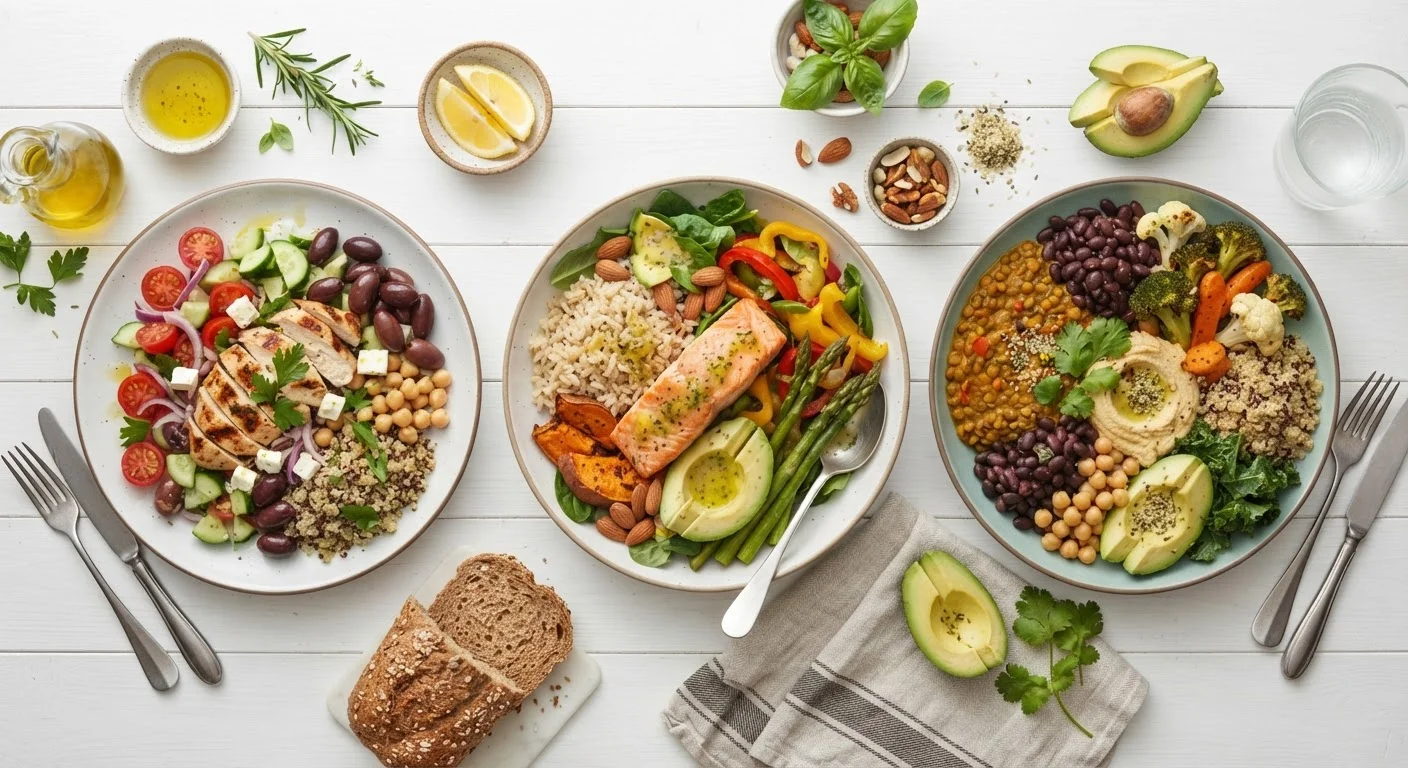
Before examining the differences, it helps to recognize how much these three dietary approaches share. The Mediterranean diet, the DASH (Dietary Approaches to Stop Hypertension) diet, and plant-based eating all emphasize:
- Abundant vegetables and fruits
- Whole grains over refined ones
- Legumes - beans, lentils, chickpeas - as dietary staples
- Limited added sugars and heavily processed foods
- Healthy fats from sources like nuts, seeds, and oils
This shared foundation explains why nutrition researchers frequently find positive associations between all three patterns and a range of health outcomes. If you're new to thinking about food quality, foundational nutrition concepts are worth reviewing before diving into any specific pattern.
How Each Pattern Differs
Despite their overlap, each approach has a distinct origin, emphasis, and set of practical guidelines.
Mediterranean Diet
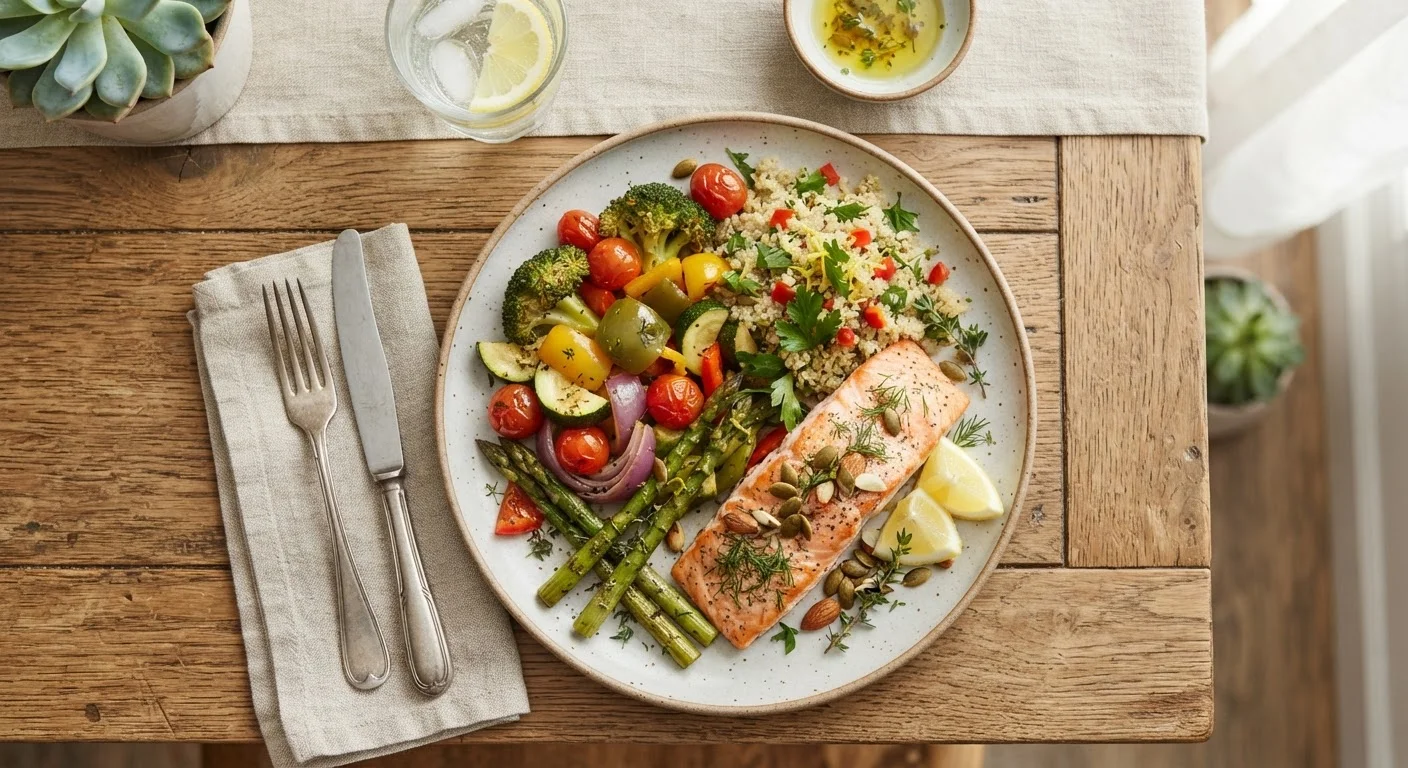
Rooted in the traditional eating habits of countries bordering the Mediterranean Sea, this pattern treats food as part of a broader lifestyle that includes shared meals and physical activity. It features olive oil as the primary fat, moderate amounts of fish and seafood, occasional poultry and dairy, and limited red meat. Moderate wine consumption is sometimes noted in research descriptions, though this is not a recommendation - alcohol carries its own health considerations.
DASH Diet
Developed specifically to help manage blood pressure, DASH provides more explicit structure: it sets general guidance on sodium intake and emphasizes potassium-rich foods like bananas, potatoes, and leafy greens alongside low-fat dairy. Unlike the Mediterranean pattern, DASH was designed and tested in clinical settings, giving it a particularly well-documented evidence base for cardiovascular outcomes. It does not exclude meat but limits high-fat animal products.
Plant-Based Eating
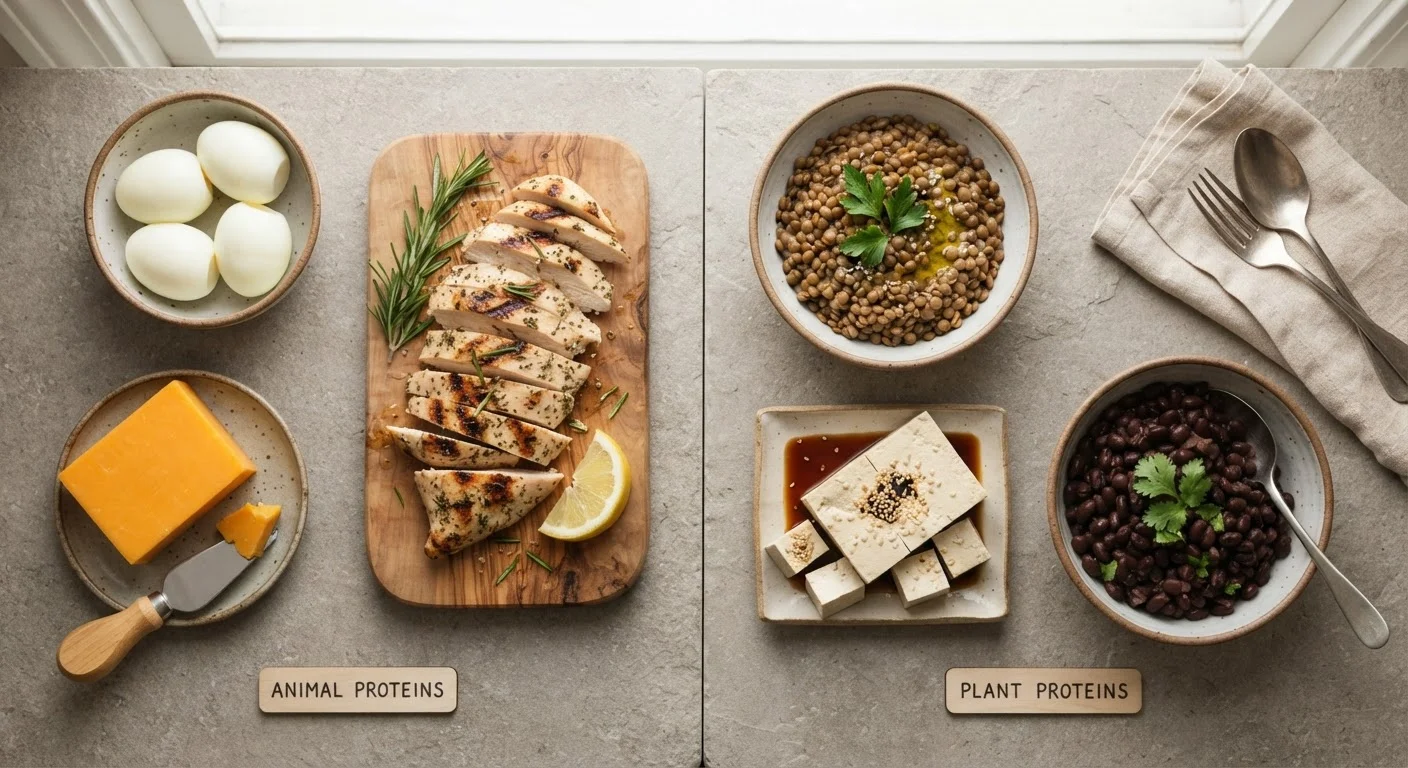
This term covers a wide spectrum - from flexitarian (mostly plants, some animal foods) to fully vegan (no animal products). It prioritizes plants by volume and variety but doesn't prescribe a single rigid structure. Those following stricter plant-based patterns should pay attention to nutrients that are less abundant without animal foods, including vitamin B12, iron, calcium, zinc, and omega-3 fatty acids. How plant and animal protein sources compare is worth understanding before making significant changes.
| Mediterranean | DASH | Plant-Based | |
|---|---|---|---|
| Primary focus | Overall lifestyle & longevity | Blood pressure management | Maximizing plant foods |
| Animal foods allowed | Yes - fish, poultry, some dairy | Yes - low-fat dairy, lean meats | Minimal to none (spectrum varies) |
| Sodium guidance | General moderation | Explicit lower-sodium targets | Varies by individual approach |
| Structured rules | Flexible, principle-based | More structured, clinical origin | Flexible across spectrum |
| Key nutrients to watch | Omega-3s, healthy fats | Potassium, calcium, sodium | B12, iron, zinc, calcium, omega-3s |
| Research evidence base | Extensive, decades of studies | Extensive, clinical trial data | Growing, especially for cardiometabolic health |
| Ease of social dining | High - widely compatible | Moderate - requires label awareness | Moderate to low - depends on strictness |
Practical Considerations Before Choosing
Choosing a dietary pattern isn't just about which one ranks highest in studies - sustainability, cost, and personal preference determine long-term success more than theoretical rankings. Building a balanced plate without calorie-counting offers practical frameworks that work within any of these approaches.
Budget is a real factor. Whole grains, dried legumes, frozen vegetables, and seasonal produce are affordable anchors for all three patterns. For more on stretching your grocery dollar, eating well on a tight budget offers evidence-informed strategies.
It's also worth avoiding the common trap of overhauling your entire diet overnight. Common mistakes people make when trying to eat healthier outlines why gradual, specific changes tend to stick better than dramatic overhauls.
Start With One or Two Changes
Rather than adopting an entirely new dietary pattern at once, consider identifying one or two principles from whichever approach appeals to you and incorporating them first. For example, adding a serving of legumes to your meals a few times a week is a meaningful, evidence-aligned step that fits any of these frameworks. Small, consistent changes are more likely to become lasting habits than wholesale overhauls.
This article is for general informational and educational purposes only and is not a substitute for personalized medical or nutritional advice. Consult a qualified healthcare professional or registered dietitian before making significant changes to your diet, especially if you have an existing health condition.