
What Changes at 100,000 Miles
Crossing the 100,000-mile threshold doesn't mean your vehicle is done - but it does mean your maintenance strategy needs to evolve. Parts that were essentially new a decade ago are now subject to years of heat cycling, vibration, and chemical exposure. Rubber degrades, metal fatigues, and clearances that were tight from the factory begin to open up.
The most important mental shift for high-mileage ownership is moving from a reactive mindset (fix it when it breaks) to a proactive one (inspect and replace before failure). A snapped timing belt or a blown head gasket on a highway is not just expensive - it can be dangerous. See our complete breakdown of your vehicle's maintenance schedule to understand what intervals your manufacturer recommends and how high mileage affects those timelines.
At this stage, your owner's manual remains the single most authoritative source for your specific vehicle. Manufacturer-specified service intervals are determined by engineering data, not marketing - follow them as a baseline and layer in additional inspections as the miles accumulate.
Critical Fluids and Seals to Prioritize
Fluids are the lifeblood of any engine, but they matter even more in high-mileage vehicles where seals have experienced more wear. Here's where to focus:
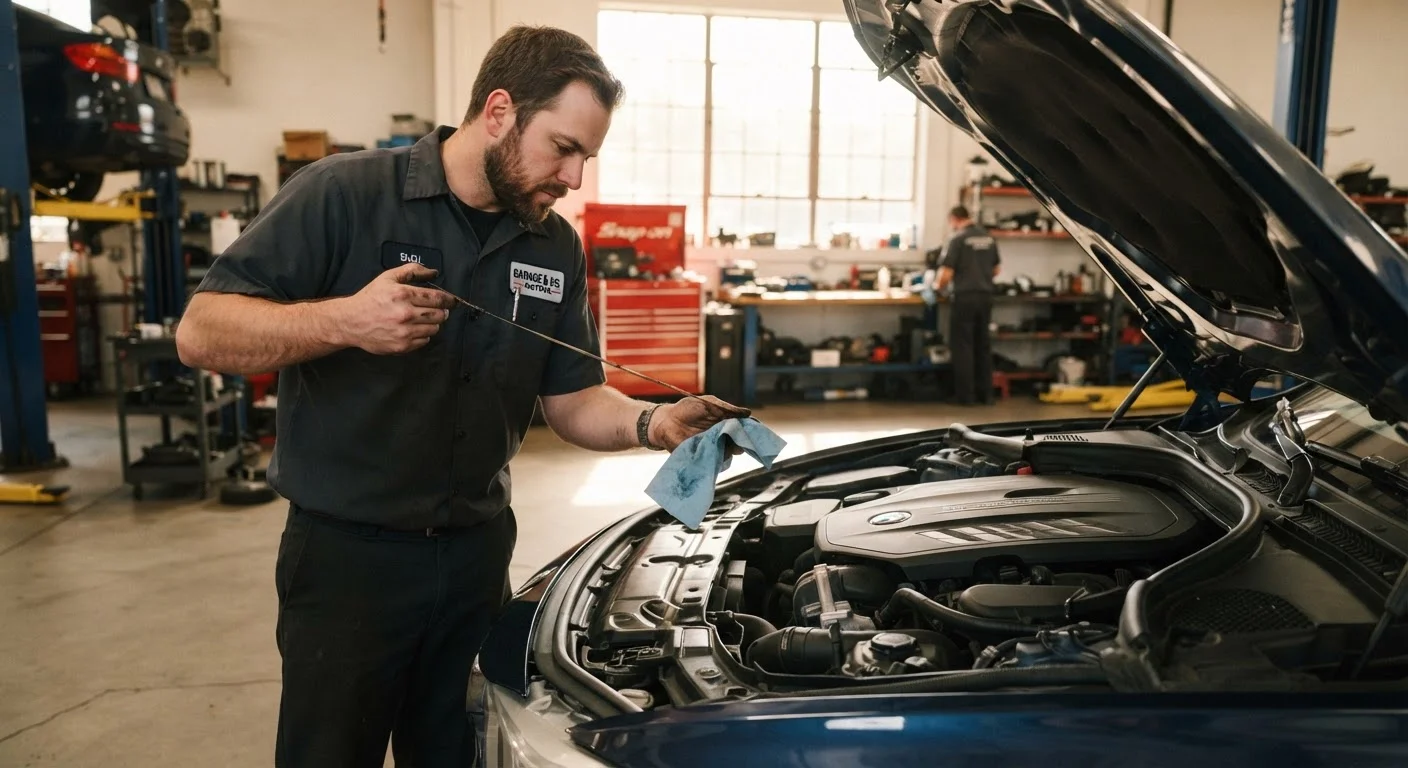
- Engine oil: Many mechanics recommend switching to a high-mileage formulation after 75,000-100,000 miles. These oils contain seal conditioners and slightly higher viscosity additives that can reduce minor seepage. Always verify the viscosity matches your owner's manual spec.
- Coolant (antifreeze): Degraded coolant becomes acidic and attacks aluminum components, gaskets, and water pump seals. Most manufacturers recommend a full flush between 60,000 and 100,000 miles. This is one of the most commonly skipped services - and one of the most consequential.
- Transmission fluid: Automatic transmissions are sensitive to fluid condition. Burnt or depleted fluid accelerates clutch pack wear. If it hasn't been changed, consult a mechanic before doing a complete flush on a very high-mileage transmission - some older units can react poorly to sudden fluid changes.
- Brake fluid: This hygroscopic fluid absorbs moisture over time, lowering its boiling point and potentially causing vapor lock. A flush every two to three years is a reasonable general guideline.
When switching to a high-mileage oil, don't skip your regular change interval - these formulations work best when the oil is fresh and the additives are active.
High-mileage oil additives that condition seals and reduce consumption lose effectiveness as the oil degrades, so staying on schedule matters more, not less.
Before any major repair, get the vehicle's full diagnostic scan run - sometimes a single underlying issue (like a failing sensor) is triggering multiple symptoms that look expensive but share one root cause.
Addressing symptoms individually without identifying the root cause can lead to repeated repairs and unnecessary parts replacement, costing significantly more over time.
Gaskets and seals - particularly the valve cover gasket, rear main seal, and oil pan gasket - are worth inspecting annually. Minor seepage is often manageable with monitoring, but active leaks should be addressed promptly to prevent secondary damage.
Wear Items That Need Closer Attention
Beyond fluids, several mechanical components reach the end of their design life in the 100,000-150,000-mile range. Knowing what to watch for helps you plan rather than react.
Timing Belt or Chain
If your engine uses a timing belt (check your owner's manual - many do), replacement is typically due between 60,000 and 105,000 miles. A failed timing belt can cause catastrophic engine damage in interference engines. If you don't know whether yours has been replaced, treat it as overdue. Timing chains generally last longer but are not immune to stretching.
Spark Plugs and Ignition Components
Iridium and platinum plugs can last 100,000 miles, but worn plugs reduce fuel efficiency and can stress ignition coils. Inspect them and replace if electrodes show significant wear or if you notice rough idle or reduced acceleration.
Suspension and Steering Components
Bushings, ball joints, tie rod ends, and struts all degrade over time and mileage. Worn suspension components affect handling and tire wear. A simple visual inspection by a mechanic during an oil change can catch issues early. For safe driving habits and vehicle safety basics, addressing suspension wear promptly is essential.
Belts and Hoses
Serpentine belts and radiator hoses harden and crack with age. Squeeze hoses to check for brittleness; inspect belts for fraying, glazing, or cracking. These are inexpensive parts - replace them before they strand you.
Budgeting for High-Mileage Maintenance
One of the practical realities of high-mileage ownership is that maintenance costs increase - but so does the value proposition compared to a car payment. Many drivers find that even $200-$400 per month in maintenance is far less than a new vehicle loan.
A useful approach is setting aside a dedicated monthly maintenance reserve. The amount will depend on your vehicle's make, model, and condition, but treating maintenance as a fixed monthly cost rather than a surprise expense reduces financial stress. Explore our car ownership hub for broader guidance on managing vehicle costs across the ownership lifecycle.
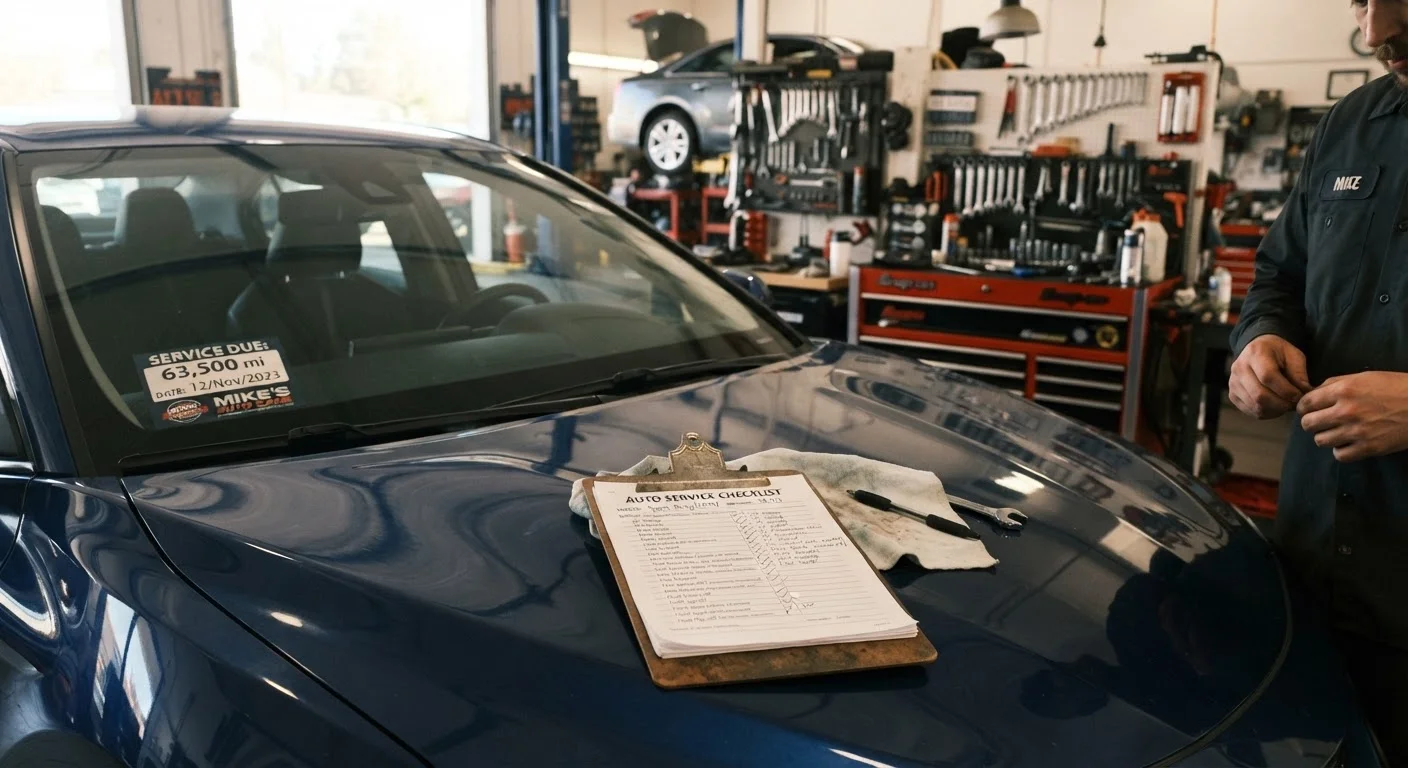
Keep records of every service - not just for warranty or resale purposes, but to help you and your mechanic spot patterns. An engine that starts consuming more oil between changes, for example, is a signal worth tracking over several intervals. For a broader view of how maintenance habits shape long-term ownership costs, see maintenance habits that extend the life of any vehicle.
When to Call a Mechanic vs. DIY
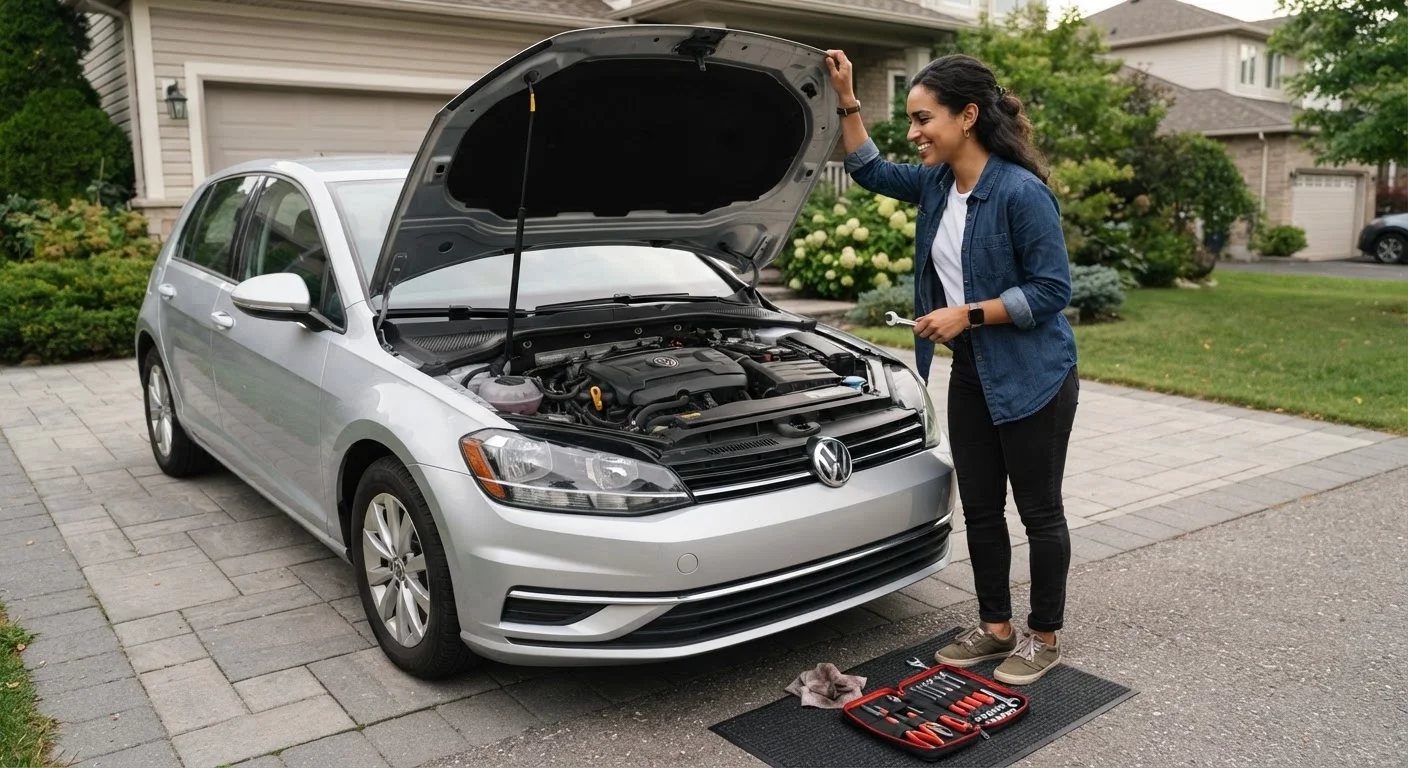
Many high-mileage maintenance tasks are accessible to a careful DIYer: oil changes, air filter replacements, spark plug swaps, and visual inspections. These tasks require modest tools and follow straightforward procedures outlined in a vehicle-specific repair manual or a reputable online resource.
However, several jobs genuinely warrant a qualified mechanic:
- Timing belt replacement (precision and engine disassembly are involved)
- Transmission fluid service on high-mileage automatics (requires professional judgment)
- Any work involving brake hydraulics or ABS systems
- Diagnosing persistent warning lights with a professional-grade scan tool
- Head gasket, water pump, or internal engine work
If you're new to hands-on maintenance, the first-car maintenance primer is a solid foundation before tackling higher-mileage-specific tasks. And before acting on any maintenance claim you've heard repeated for years, it's worth reviewing common car maintenance myths that cost drivers money - some widely held beliefs are simply outdated.
A trustworthy mechanic is a genuine asset for high-mileage ownership. Establishing a relationship with one shop allows for consistent vehicle history and better-informed recommendations over time. Get written estimates before authorizing work, and don't hesitate to ask for the old parts back after a repair - it's a reasonable and common practice.
This article provides general vehicle maintenance information for educational purposes. Always consult a qualified mechanic before performing repairs beyond your skill level, and follow the service guidelines specific to your vehicle's make, model, and year.