
Why Your Credit Report Deserves a Close Read
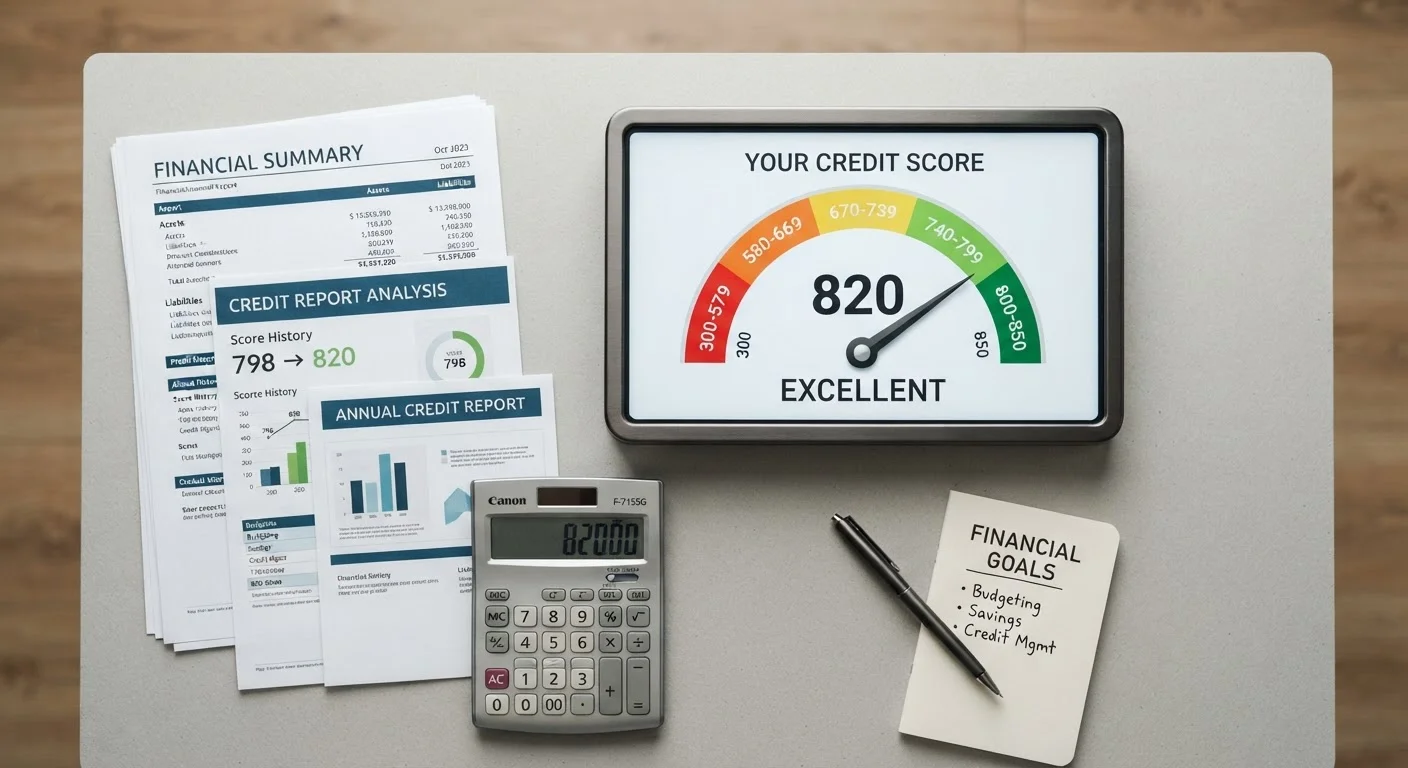
Your credit report is the raw data file that lenders, landlords, and some employers use to evaluate your financial reliability. It is not the same as your credit score - the score is a numeric summary derived from the report. If the underlying report contains errors, your score suffers and so do your borrowing options.
If you are new to the concept altogether, our introduction to credit reports and scores is a useful starting point before diving into the sections below. For those ready to read their report today, understanding its structure makes the task far less intimidating.
Under federal law - specifically the Fair Credit Reporting Act (FCRA) - you can request one free report from each of the three major bureaus (Equifax, Experian, and TransUnion) at AnnualCreditReport.com, the only federally authorized source. Reviewing all three is worthwhile because creditors do not always report to every bureau.
Stagger Your Report Requests Year-Round
Instead of pulling all three bureau reports at once, consider requesting one every four months. This gives you more frequent visibility into your credit file without waiting a full year between checks. Use a calendar reminder so you do not lose track of the schedule.
The Four Sections of a Standard Credit Report
Regardless of which bureau issues your report, the structure follows a consistent pattern. Here is what each section contains and what to look for.
1. Personal Information
This section lists your name (including variations or former names), current and past addresses, date of birth, Social Security number (partially masked), and employment history as reported by creditors. This section does not affect your credit score, but inaccuracies here - a misspelled name, an unfamiliar address - can signal a data mix-up or potential identity theft. Flag anything you do not recognize.
2. Accounts (Trade Lines)
This is the largest and most score-relevant section. Each open or closed account appears as a separate entry showing: the creditor's name, account type (credit card, auto loan, mortgage, student loan), date opened, credit limit or original loan amount, current balance, payment history, and account status. Payment history is the single most heavily weighted factor in most scoring models - to understand exactly why, see our breakdown of the five factors that shape your credit score.
Scan every account entry and confirm: Is this account yours? Is the balance roughly accurate? Are any payments marked late that you believe were on time?
3. Inquiries
When someone pulls your credit, it shows up here. Hard inquiries occur when you apply for credit and can lower your score by a few points temporarily. Soft inquiries - such as background checks or pre-qualification pulls - are visible only to you and have no scoring impact. Inquiries you do not recognize could indicate someone applied for credit in your name without authorization.
4. Public Records and Collections
Bankruptcies filed under federal bankruptcy law appear in this section. Separately, collection accounts - debts sent to a collection agency - appear in or near the accounts section depending on the bureau's format. Under the FCRA, most negative items can remain on your report for up to seven years; Chapter 7 bankruptcies can remain for up to ten. Knowing the expiration timeline matters when you are assessing how long an item will continue to affect you. Our article on what debt collectors can and cannot legally do explains related consumer rights in plain language.
Common Errors and What to Do Next
The Consumer Financial Protection Bureau (CFPB) consistently identifies credit report errors as one of the most frequent consumer finance complaints. Common problems include accounts belonging to someone with a similar name, duplicate entries for the same debt, outdated balances, and accounts incorrectly marked as delinquent.
If you spot something that looks wrong, document it before doing anything else: note the bureau, account name, and specific field that appears incorrect. From there, the formal dispute process is governed by the FCRA and gives bureaus 30 days to investigate most claims. Our step-by-step guide to disputing credit report errors walks through that process in full.
Finally, if you are planning to apply for a mortgage, auto loan, or new credit card, reviewing your report first is a smart move. Our pre-application checklist helps you verify your standing before a lender does. And for a fuller picture of how scores work alongside reports, credit scores decoded explains what lenders actually see.
This article is for general informational and educational purposes only and does not constitute financial, legal, or credit advice. Consult a qualified financial professional for guidance specific to your situation.