The 300-850 Scale Explained
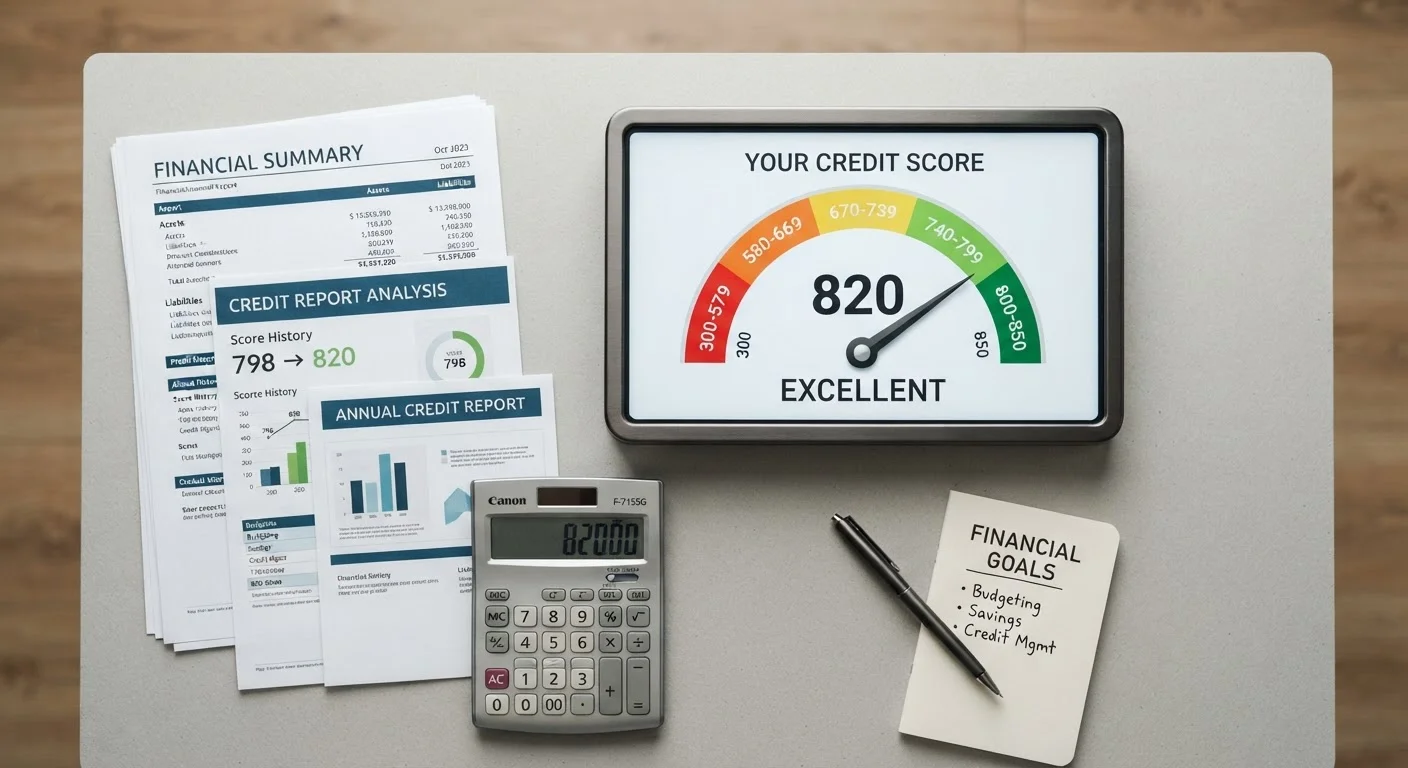
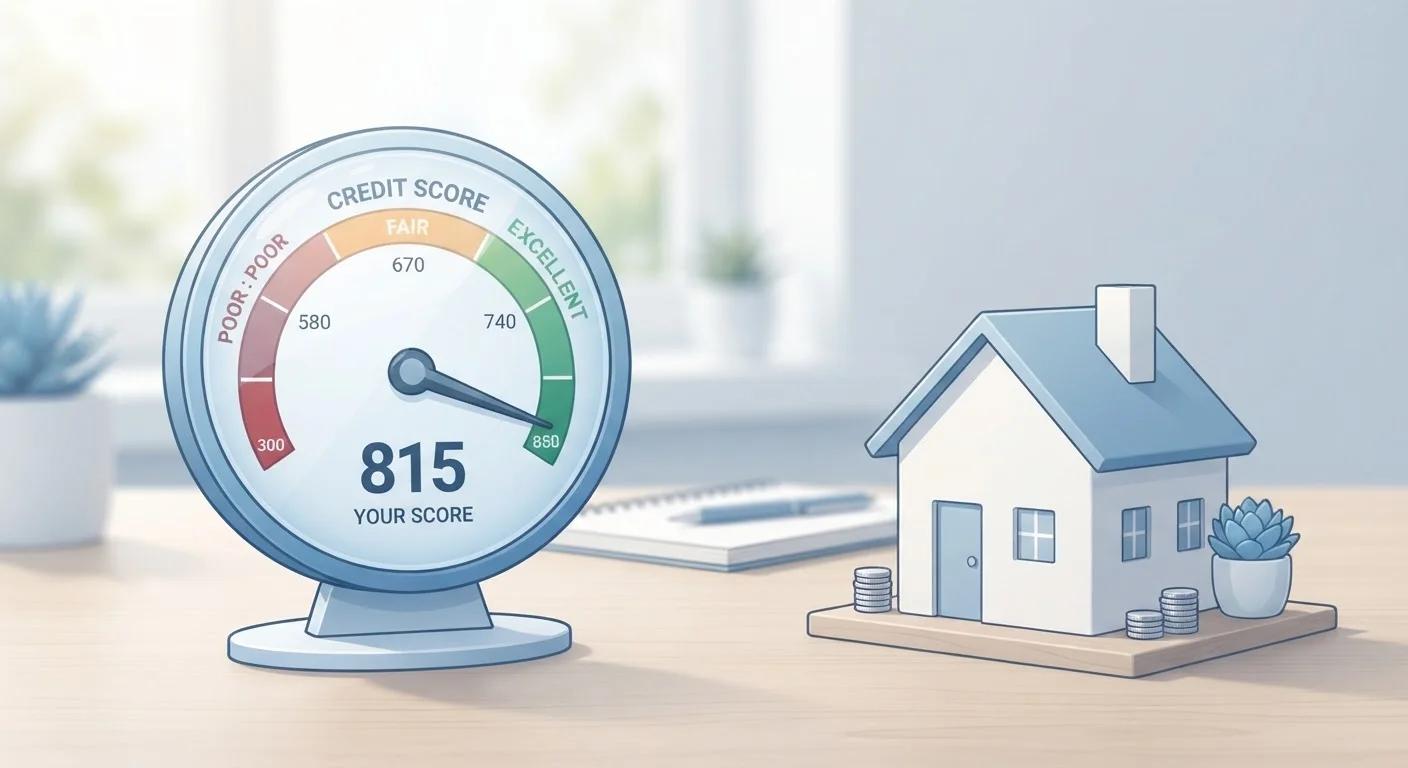
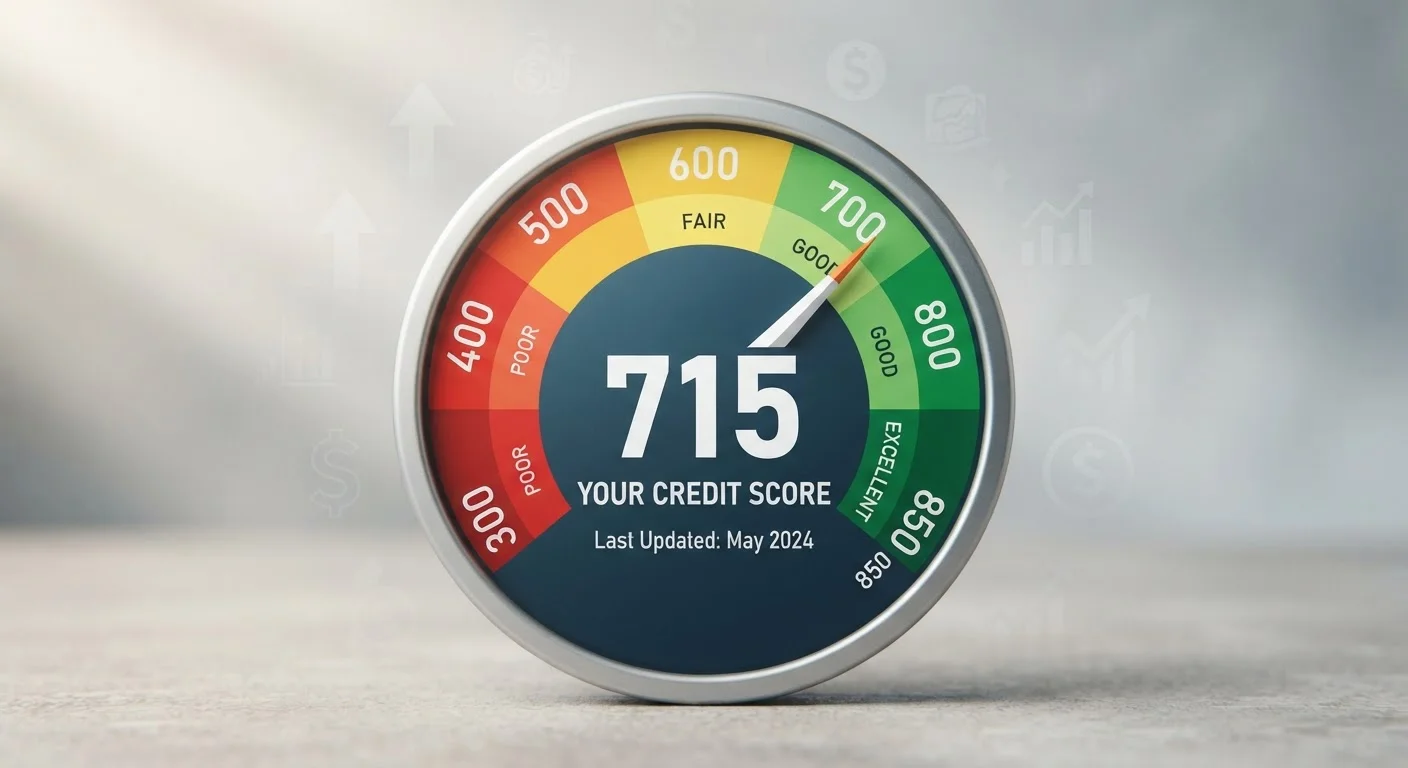
Credit scores follow a standardized numeric scale that lenders across the U.S. use as a shared language of borrower risk. Under both the FICO® and VantageScore models, scores range from 300 at the low end to 850 at the high end. The scale is not a grade on a curve - it represents a statistical prediction of the likelihood that a borrower will miss a payment by 90 or more days within the next 24 months.
FICO® - the model used in the vast majority of U.S. lending decisions - organizes scores into five general tiers:
- Exceptional (800-850): Borrowers in this range represent very low risk and typically qualify for the most favorable interest rates and credit limits.
- Very Good (740-799): Lenders view these borrowers favorably; most competitive loan products remain accessible.
- Good (670-739): Near or above the U.S. national average. Most standard loan products are available, though rates may not be the lowest offered.
- Fair (580-669): Some lenders will extend credit, but often at higher rates or with stricter terms. Subprime products become more common.
- Poor (300-579): Access to conventional credit is significantly limited. Borrowers may need secured cards or credit-builder loans to rebuild standing.
Understanding where your score falls in this framework is the first step toward using it strategically. For a deeper look at the underlying vocabulary, see our credit terms glossary.
What Actually Goes Into Your Score
A credit score is not a random number - it is calculated from specific categories of information in your credit report. Under the FICO® model, five weighted factors drive the final figure:
- Payment History (35%): Whether you have paid past accounts on time. A single missed payment can noticeably lower a strong score.
- Amounts Owed / Credit Utilization (30%): The ratio of your current balances to your total available credit. Keeping utilization below 30% is a widely cited guideline, though lower is generally better.
- Length of Credit History (15%): How long your accounts have been open, including the age of your oldest account and the average age across all accounts.
- Credit Mix (10%): The variety of credit types you manage - revolving credit (like credit cards) alongside installment loans (like auto or student loans).
- New Credit / Recent Inquiries (10%): How recently you have applied for new credit. Multiple hard inquiries in a short window can signal elevated risk.
These five factors are explored in full detail in our article on the five factors that shape your score.
716
Average U.S. FICO® Score
According to Fair Isaac Corporation (FICO), the average FICO® Score in the United States has hovered around 716 in recent years, placing the typical American in the 'good' tier.
35%
Weight of Payment History in FICO® Score
FICO® identifies payment history as the single largest factor in score calculation, underscoring how consistently paying on time is the highest-leverage habit for maintaining a strong score.
~200M
Americans with a FICO® Score
FICO estimates that approximately 200 million Americans have scoreable credit files, meaning enough credit history for the model to generate a reliable score.
Why the Number on Your Report Matters in Practice
A credit score is more than a personal finance metric - it has direct, measurable consequences in everyday financial life. Lenders use it to determine not just whether to approve you, but at what price. A borrower with an exceptional score may be offered a meaningfully lower interest rate on a mortgage than a borrower with a fair score, a difference that can translate into tens of thousands of dollars over the life of the loan.
Beyond borrowing costs, credit scores are used by:
- Landlords - to screen rental applicants.
- Auto insurers - in most states, credit-based insurance scores influence premiums.
- Utility companies - to determine whether a deposit is required to establish service.
- Some employers - particularly for roles involving financial responsibility, with the applicant's consent.
If you are preparing to purchase a home, understanding exactly how lenders interpret your score is essential. Our article on how credit scores shape mortgage options walks through that process specifically.
This article is for general informational and educational purposes only and does not constitute personalized financial or legal advice. Consult a qualified financial professional for guidance specific to your situation.
Common Misconceptions About Credit Scores
Several widespread myths cause consumers to make decisions based on inaccurate assumptions. Clearing them up can prevent costly mistakes.
A consumer believes closing old credit cards will improve their score by 'cleaning up' their report.
A job applicant assumes an employer can see their credit score before hiring them.
A borrower rate-shops for a mortgage and worries that multiple lender inquiries will severely damage their score.
For a full walkthrough of what appears on your credit report - and how to interpret it - see our guide to reading your credit report. This article is part of our broader resource: Understanding Credit and Debt from Every Angle.