What Credit Actually Is - and Why It Matters
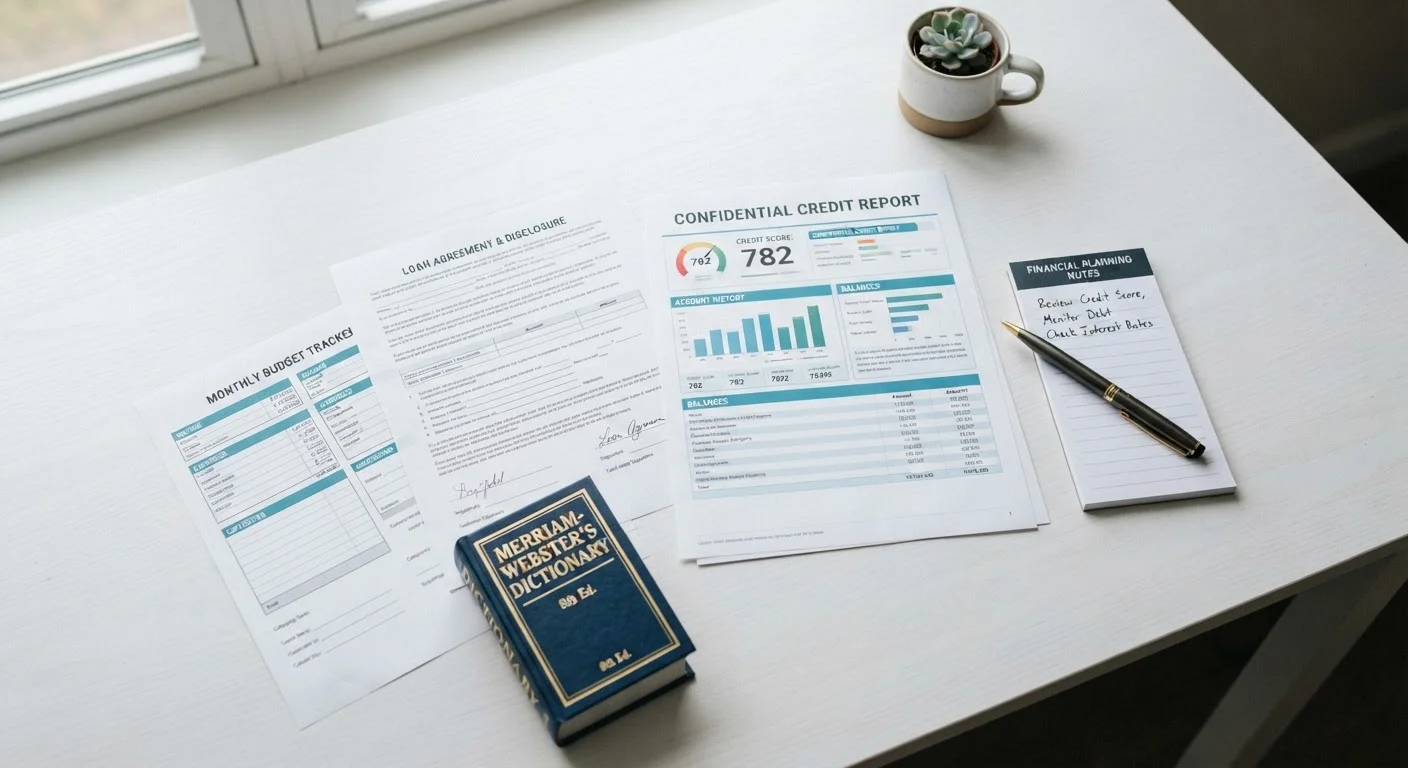
Credit is essentially a lender's bet that you'll repay borrowed money as agreed. When a bank, credit union, or credit card issuer extends credit to you, they're evaluating the likelihood that you'll honor the terms - including interest and repayment schedules. That evaluation is formalized in your credit report and summarized as a credit score.
Your credit profile affects more than loan approvals. Landlords often review credit reports before signing leases. Some employers check them during background screening. Utility companies may require larger deposits from applicants with thin or troubled credit histories. If you've ever financed a vehicle, the interest rate you received was almost certainly tied to your credit score - a concept explored further in our resource on the true costs of car ownership.
Before diving into strategy, it's worth reviewing the vocabulary. If terms like APR, utilization ratio, or charge-off are unfamiliar, see our glossary of key credit terms - it serves as a companion reference to this guide.
How Credit Scores Are Calculated
The most widely used scoring model, FICO, generates scores on a 300-850 scale using five factors. Understanding these weights helps you focus on what actually moves the needle.
35%
Weight of payment history in FICO score
According to FICO's published scoring criteria, payment history is the single largest factor in most credit score calculations.
1 in 5
Consumers with a credit report error
A Federal Trade Commission study found that roughly one in five consumers had an error on at least one of their three major credit reports.
30%
Recommended maximum credit utilization ratio
Most credit guidance, including CFPB consumer resources, suggests keeping revolving utilization below 30% to avoid negative score impact.
- Payment history (35%): Whether you've paid past obligations on time. A single missed payment can have a notable negative impact, particularly on a thin credit file.
- Credit utilization (30%): The percentage of available revolving credit you're using. Most guidance suggests keeping this below 30%, though lower is generally better.
- Length of credit history (15%): The average age of your accounts. This is why closing old accounts - even inactive ones - can sometimes backfire.
- Credit mix (10%): Having a variety of account types (revolving credit, installment loans) can benefit scores modestly.
- New credit inquiries (10%): Applying for several new accounts in a short window can temporarily lower your score.
VantageScore, another widely used model, weighs similar factors but uses slightly different terminology and calculations. Both models are used by lenders, though FICO remains dominant in mortgage underwriting.
Types of Debt and What They Cost You
Not all debt carries the same risk or cost. Broadly, consumer debt falls into two structural categories:
- Revolving debt
- Credit cards and lines of credit allow you to borrow repeatedly up to a limit. Balances that carry month-to-month accrue interest, often at high rates. The compounding nature of revolving debt is one reason credit card balances can grow faster than many consumers expect.
- Installment debt
- Mortgages, auto loans, student loans, and personal loans involve a fixed borrowing amount repaid in scheduled payments over a set term. The interest rate - whether fixed or variable - determines total cost over time.
The annual percentage rate (APR) is the standardized measure of borrowing cost, including interest and certain fees. Comparing APRs across loan offers is one of the most practical ways to evaluate true cost. If managing multiple debt accounts feels overwhelming, our article on debt consolidation trade-offs walks through when combining debts may or may not make sense.
High-Interest Revolving Debt Compounds Quickly
Credit card interest rates are often significantly higher than those on installment loans. Carrying a balance month-to-month means you're paying interest on interest - a compounding dynamic that accelerates the total amount owed. Paying more than the minimum payment each month is one of the most impactful steps you can take to control revolving debt costs.
Managing Debt Strategically
Two popular repayment frameworks give consumers a structured path out of debt:
- Avalanche method: Pay minimums on all accounts, then direct extra funds toward the highest-interest debt first. This minimizes total interest paid over time and is mathematically optimal.
- Snowball method: Pay minimums everywhere, then target the smallest balance first regardless of rate. Research, including work published in the Journal of Marketing Research, suggests this approach can boost motivation by delivering early wins - which matters for follow-through.
Neither method is universally superior. The right choice depends on your interest rates, balances, and what keeps you consistent. Consistency is what actually drives results.
When comparing debt payoff methods, run the numbers with a free online debt payoff calculator before committing - the difference in total interest between avalanche and snowball can sometimes exceed hundreds of dollars.
Seeing the actual dollar figures helps consumers make an informed choice between emotional momentum and mathematical efficiency.
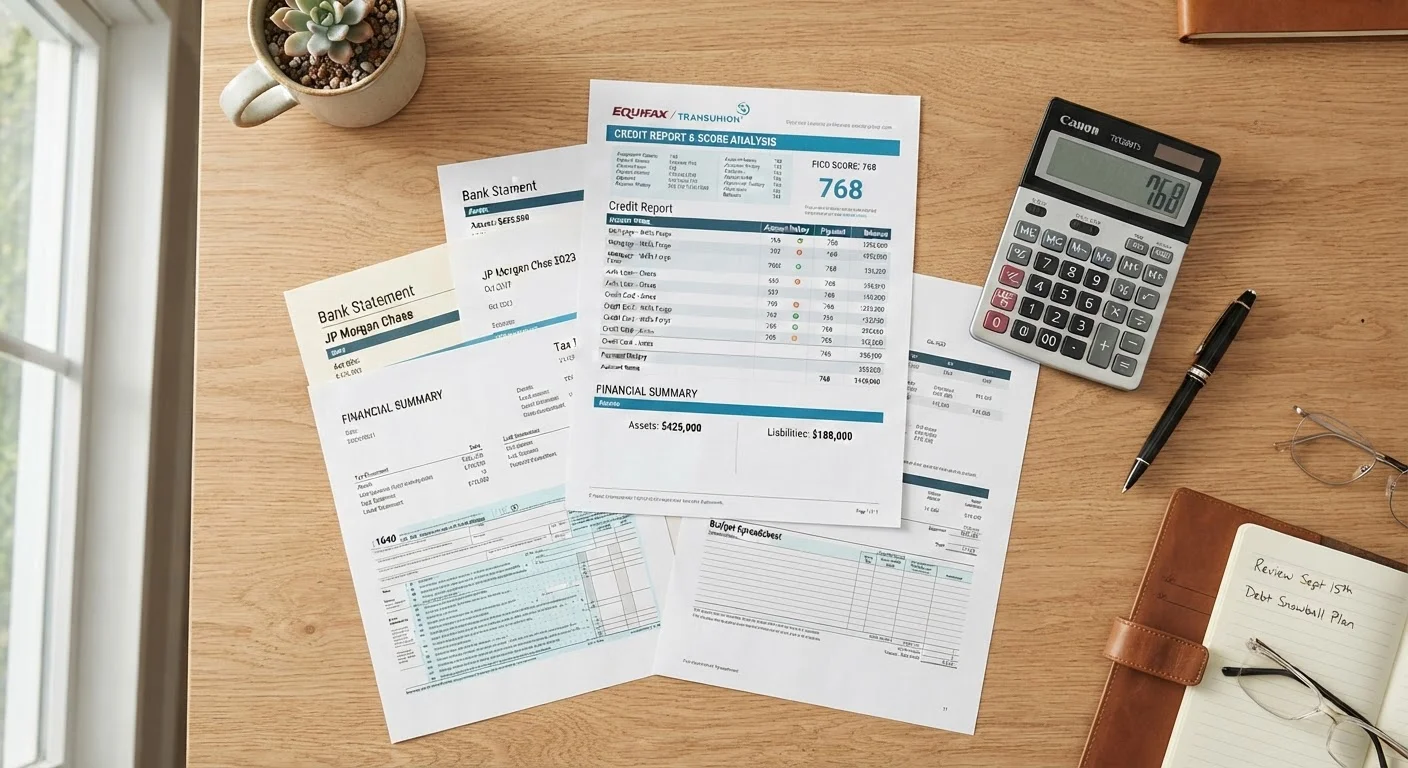
Check all three credit reports - not just one - before applying for a major loan. Errors at one bureau won't necessarily appear at the others, and lenders may pull from any of them.
The three major bureaus operate independently, meaning discrepancies between reports are common and can affect the score a specific lender sees.
If debt has become unmanageable, nonprofit credit counseling agencies - many accredited by the National Foundation for Credit Counseling (NFCC) - offer free or low-cost guidance. A certified counselor can help you build a realistic budget and, in some cases, negotiate with creditors on your behalf. This is distinct from for-profit debt settlement companies, which carry significant risks and potential tax consequences.
Managing debt is also inseparable from your broader financial picture. Our saving and budgeting hub offers practical frameworks for controlling spending while working toward debt payoff.
Your Rights as a Consumer Borrower
Federal law establishes several protections that every borrower should know about:
- Fair Credit Reporting Act (FCRA): You have the right to a free annual credit report from each of the three major bureaus (Equifax, Experian, TransUnion) at AnnualCreditReport.com. You can dispute inaccurate or incomplete information, and bureaus are generally required to investigate within 30 days.
- Fair Debt Collection Practices Act (FDCPA): Third-party debt collectors cannot call at unreasonable hours, use abusive language, or misrepresent what you owe. You have the right to request debt validation in writing.
- Truth in Lending Act (TILA): Lenders must disclose APR, total finance charges, and repayment terms before you sign. This enables meaningful comparison shopping.
The Consumer Financial Protection Bureau (CFPB) is the federal agency that oversees many of these rules and accepts consumer complaints. If you believe a lender or debt collector has violated your rights, the CFPB's complaint database is a legitimate starting point.
Watch Out for Credit Repair Scams
Companies that promise to remove accurate negative information from your credit report - for a fee - are operating deceptively. Under the Credit Repair Organizations Act (CROA), you have the right to do everything a credit repair company can legally do, on your own, for free. Legitimate nonprofit credit counselors do not charge upfront fees for basic counseling services.
Building a Healthier Credit Future
Credit health is built incrementally - there are no legitimate shortcuts. The behaviors that reliably improve credit profiles over time are also the least glamorous: paying every bill on time, keeping balances well below credit limits, and avoiding unnecessary new account applications.
For those just starting out or rebuilding after financial difficulty, a secured credit card or credit-builder loan can provide an on-ramp. These products are specifically designed to help people establish a track record. Our companion guide on credit score habits worth building early explains these strategies in detail, grounded in evidence rather than shortcuts.
Progress often comes slowly, but the compounding effect of consistent behavior is real. A borrower who pays on time for two to three years, keeps utilization low, and avoids major derogatory marks can see meaningful score improvement - and meaningfully better borrowing terms when those become relevant.
This article provides general financial education and is not personalized financial or legal advice. For guidance specific to your situation, consult a qualified financial adviser, credit counselor, or attorney.