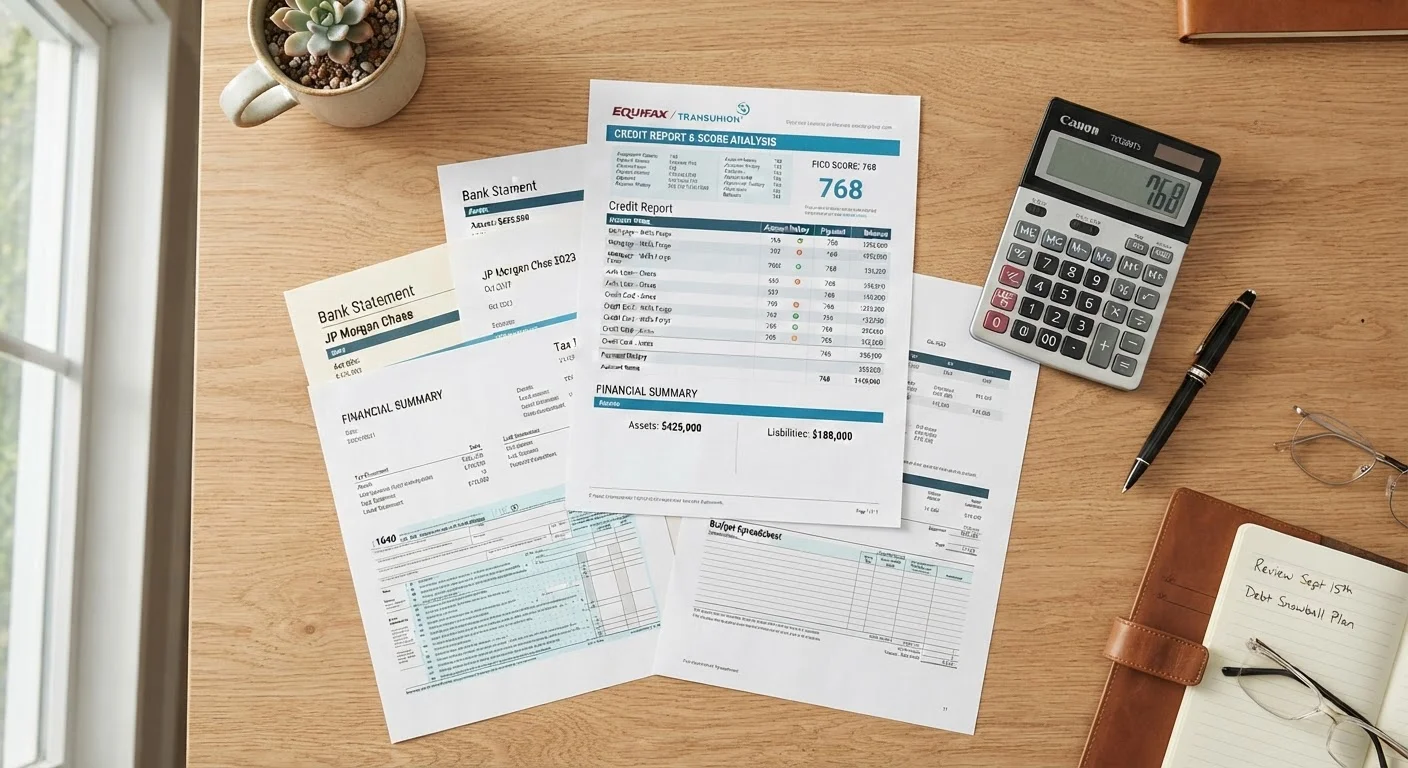

Why Credit Report Errors Matter
Your credit report is a financial snapshot that lenders, landlords, and sometimes employers use to evaluate your reliability. Errors on that report - a payment incorrectly marked late, an account that belongs to someone else, or a debt that was already discharged - can unfairly lower your credit score and cost you access to credit or favorable interest rates.
According to the Federal Trade Commission, a notable share of consumers who review their credit reports find at least one inaccuracy. The good news: the FCRA gives you the explicit right to challenge any information you believe is incorrect, and requires credit bureaus to take your dispute seriously. If you're new to understanding how credit reports work, our plain-language guide to credit reports is a helpful starting point.
Common errors worth disputing include: accounts you never opened (a potential sign of identity theft), incorrect account balances or credit limits, payments reported as late when they were made on time, duplicate accounts, and outdated negative information that should have aged off your report.
What you will need
How to Dispute an Error: Step-by-Step
The dispute process follows a predictable sequence. Moving through it carefully and systematically gives your complaint the best chance of success. For broader context on your consumer rights in the credit system, see our resource on understanding credit and debt from every angle.
Pull Your Credit Reports from All Three Bureaus
Request your free reports from Equifax, Experian, and TransUnion at AnnualCreditReport.com, the only federally authorized source for free reports. Review all three - the same error may appear on only one bureau's file, or on all three, and each must be disputed separately.
Identify and Document the Specific Error
Mark every item you believe is inaccurate. For each one, note the account name, account number (if listed), the specific field that is wrong, and what the correct information should be. Gather supporting documents - bank records, payment receipts, letters from creditors - that corroborate your position.
Write a Clear, Factual Dispute Letter
Draft a dispute letter for each bureau that has the error. The Consumer Financial Protection Bureau (CFPB) provides a sample dispute letter template on its website. Your letter should identify the disputed item precisely, explain concisely why it is incorrect, and state what correction you are requesting. Attach copies - never originals - of your supporting documents.
Submit Your Dispute to the Credit Bureau
You can file a dispute online through each bureau's website, by phone, or by mail. Certified mail with return receipt requested is generally recommended because it creates a dated, verifiable record that the bureau received your letter - important if you ever need to escalate. Address your letter to the bureau's dispute processing center, not a general mailing address.
Notify the Furnisher Directly
In addition to contacting the bureau, consider sending a dispute letter directly to the lender, creditor, or debt collector that reported the inaccurate information. Under the FCRA, furnishers also have an obligation to investigate and correct errors. This parallel step can strengthen your case and speeds resolution in some instances. For more on your rights when dealing with debt collectors, see our guide on what debt collectors can and cannot legally do.
Track the Timeline and Follow Up
Log the date your dispute was received by the bureau - use your certified mail return receipt as proof. Credit bureaus have 30 days (or 45 days in some circumstances) to complete their investigation under federal law. Note the deadline and follow up if you do not receive a written response within that window.
This article provides general financial information and education. It is not personalized financial or legal advice. For questions about your specific situation, consult a qualified financial adviser or consumer law attorney.
After the Dispute: What to Expect
Once a credit bureau receives your dispute, it is legally required to complete its investigation - typically within 30 days. The bureau will contact the furnisher (the lender or creditor that reported the data) to verify the information. If the furnisher cannot substantiate the entry, the bureau must correct or delete it.
You will receive written results of the investigation. If the dispute is resolved in your favor, the bureau must send you an updated copy of your report at no charge. If the error appears on reports from more than one bureau, you'll need to dispute it separately with each one - Equifax, Experian, and TransUnion each handle their own records independently.
If your dispute is rejected and you still believe the entry is wrong, you have the right to add a brief consumer statement to your file explaining your position. You can also consider consulting a consumer law attorney, particularly if the error is causing documented financial harm. Building accurate credit habits going forward is equally important - our article on credit score habits worth building early outlines evidence-backed behaviors that support a healthy profile over time. And before applying for any new credit, review our pre-application checklist to make sure your report is in the best possible shape first.