
What Credit Actually Is
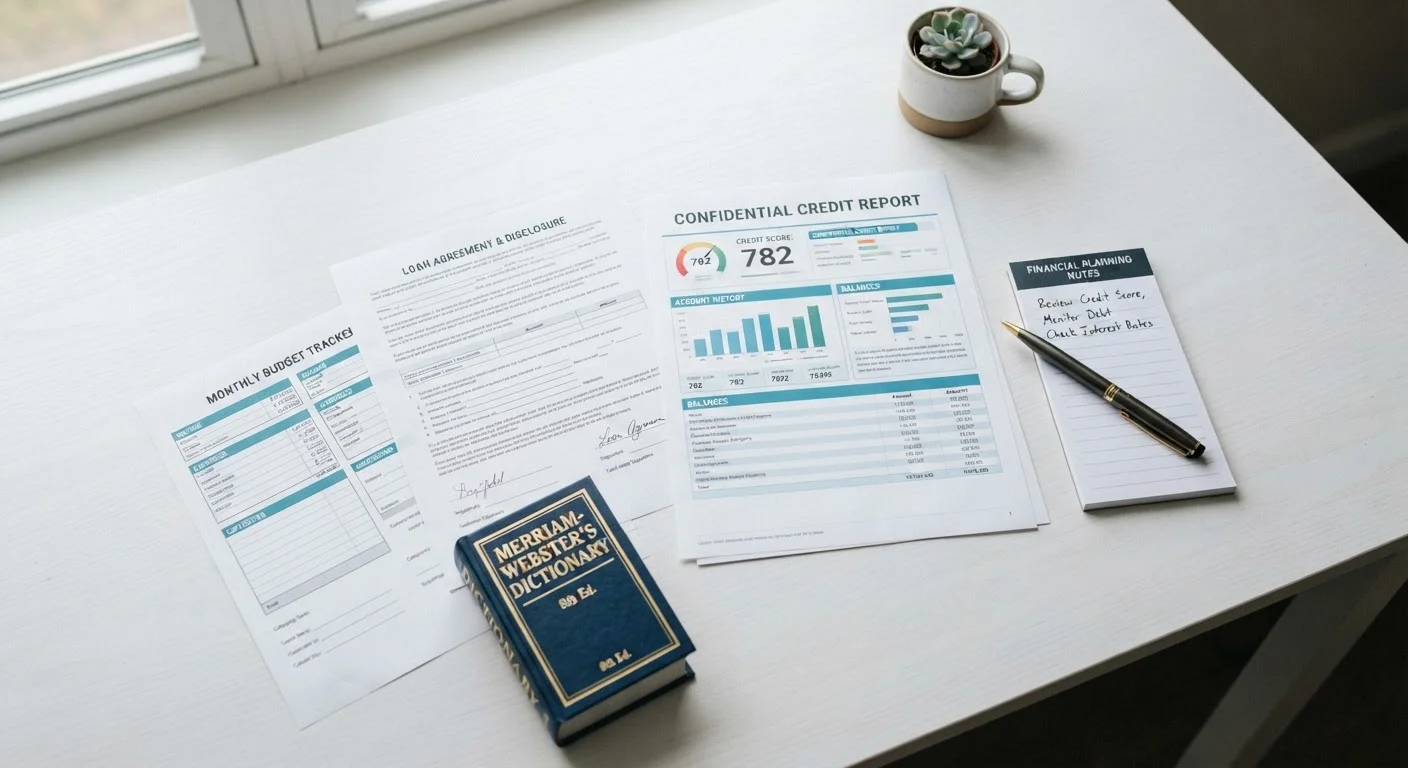
Credit is, at its core, a financial promise: a lender lets you borrow money or use a service now, with the understanding that you'll repay it later - usually with interest. Every time you borrow and repay, that behavior gets recorded in a credit report, a detailed history maintained by three major bureaus: Equifax, Experian, and TransUnion.
Lenders, landlords, and even some employers use your credit history to judge how likely you are to follow through on financial commitments. The better your track record, the more access you generally have to favorable loan terms, lower deposits, and higher credit limits. For a fuller grounding in vocabulary, see key credit terms every consumer should know.
Credit report
A detailed record of your borrowing and repayment history, compiled by credit bureaus and used by lenders to evaluate your reliability.
Credit score
A three-digit number, usually between 300 and 850, that summarizes your credit history into a single measure of risk for lenders.
Credit utilization
The percentage of your total available credit limit that you're currently using. Lower utilization generally signals lower risk to lenders.
Hard inquiry
A check on your credit report triggered when you formally apply for new credit. Too many in a short period can temporarily lower your score.
Secured credit card
A card backed by a cash deposit you provide upfront, making it easier to qualify for when you have no credit history.
Credit-builder loan
A small loan designed specifically to help people establish credit; the funds are held in a savings account until you've made all the payments.
How Your Credit Score Is Calculated
A credit score is a three-digit number - typically ranging from 300 to 850 - that summarizes your credit report into a single risk indicator. The most widely used model, FICO, weights five factors:
- Payment history (35%) - Whether you pay on time, every time.
- Credit utilization (30%) - How much of your available credit limit you're currently using.
- Length of credit history (15%) - How long your accounts have been open.
- Credit mix (10%) - Whether you have experience with different account types (cards, loans, etc.).
- New credit (10%) - Recent applications for new accounts.
Payment history and utilization together make up nearly two-thirds of your score, which is why those two habits deserve your closest attention first.
Building Credit From Zero
If you have no credit history at all, lenders have nothing to evaluate - sometimes called being 'credit invisible.' There are several practical, low-risk ways to get started:
- Secured credit card: You deposit a set amount as collateral, which typically becomes your credit limit. Use it for small purchases and pay the balance in full each month.
- Credit-builder loan: Offered by many credit unions and community banks, these accounts hold the loan proceeds in a savings account while you make monthly payments, then release the funds to you. Your payment history is reported to the bureaus.
- Becoming an authorized user: A trusted family member or friend can add you to an existing account in good standing, which may allow their positive history to appear on your report.
Once you've established a foundation, credit score habits worth building early will show you how to sustain and grow that progress over time.
Responsible Borrowing Fundamentals
Credit is a useful tool, but borrowed money is never free. Before taking on any debt, it helps to understand what you're agreeing to:
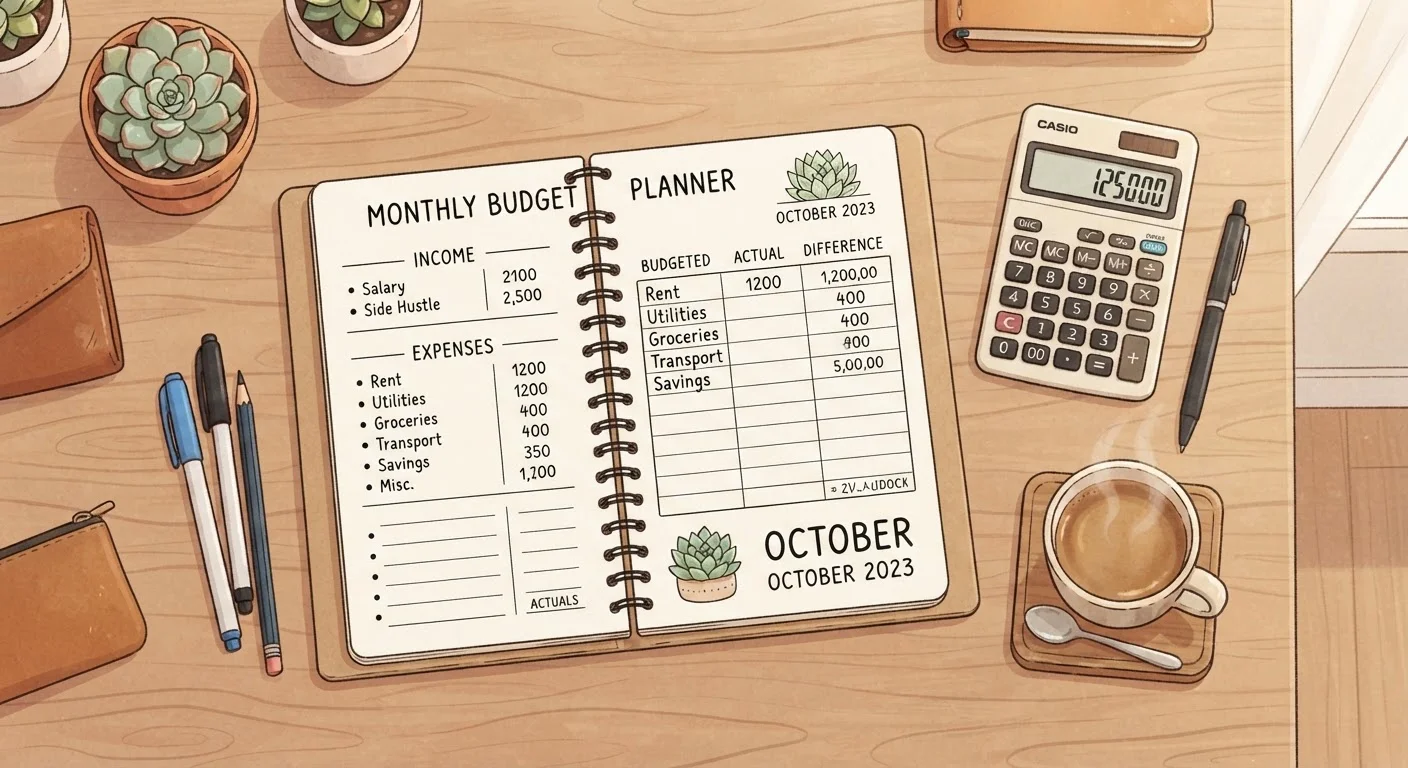
- Only borrow what you can repay. A budget is your best planning tool - see how to build your first real budget if you haven't made one yet.
- Pay in full when possible. Carrying a revolving balance means paying interest, often at high rates on credit cards. Paying your statement balance in full each month eliminates that cost entirely.
- Avoid opening many accounts at once. Each application typically triggers a hard inquiry and lowers your average account age - both small but real negatives.
Credit decisions also have long-term consequences for major purchases. Whether you're exploring car ownership or planning to buy a home, your credit profile will directly influence the interest rates available to you - sometimes making a difference of thousands of dollars over the life of a loan.
Set Up Autopay for the Minimum
Even if you plan to pay your full balance manually each month, setting up autopay for at least the minimum payment creates a safety net against accidentally missed due dates. A single missed payment can have a noticeable impact on your score and stays on your report for seven years. Autopay doesn't stop you from paying more - it just ensures you never miss the deadline.
Monitoring and Protecting Your Credit
Checking your credit regularly helps you catch errors and spot signs of identity theft early. Under federal law (the Fair Credit Reporting Act), you're entitled to a free report from each bureau through AnnualCreditReport.com. Reviewing all three periodically makes sense because not every lender reports to all three bureaus.
When you review your report, look for accounts you don't recognize, incorrect late payment notations, or unfamiliar inquiries - these can all be disputed directly with the bureau. For a step-by-step walkthrough of what each section of a report actually contains, reading your credit report without getting lost is a natural next step.
Building and protecting credit isn't a one-time task - it's an ongoing habit. The good news is that the core behaviors are straightforward: pay on time, keep balances low, and check in regularly. For the complete picture on credit and debt topics, understanding credit and debt from every angle covers everything from scores to consumer rights in one place.
This article is for general informational and educational purposes only and does not constitute personalized financial or legal advice. Consult a qualified financial professional for guidance specific to your situation.