The Credit Logic Behind Old Cards
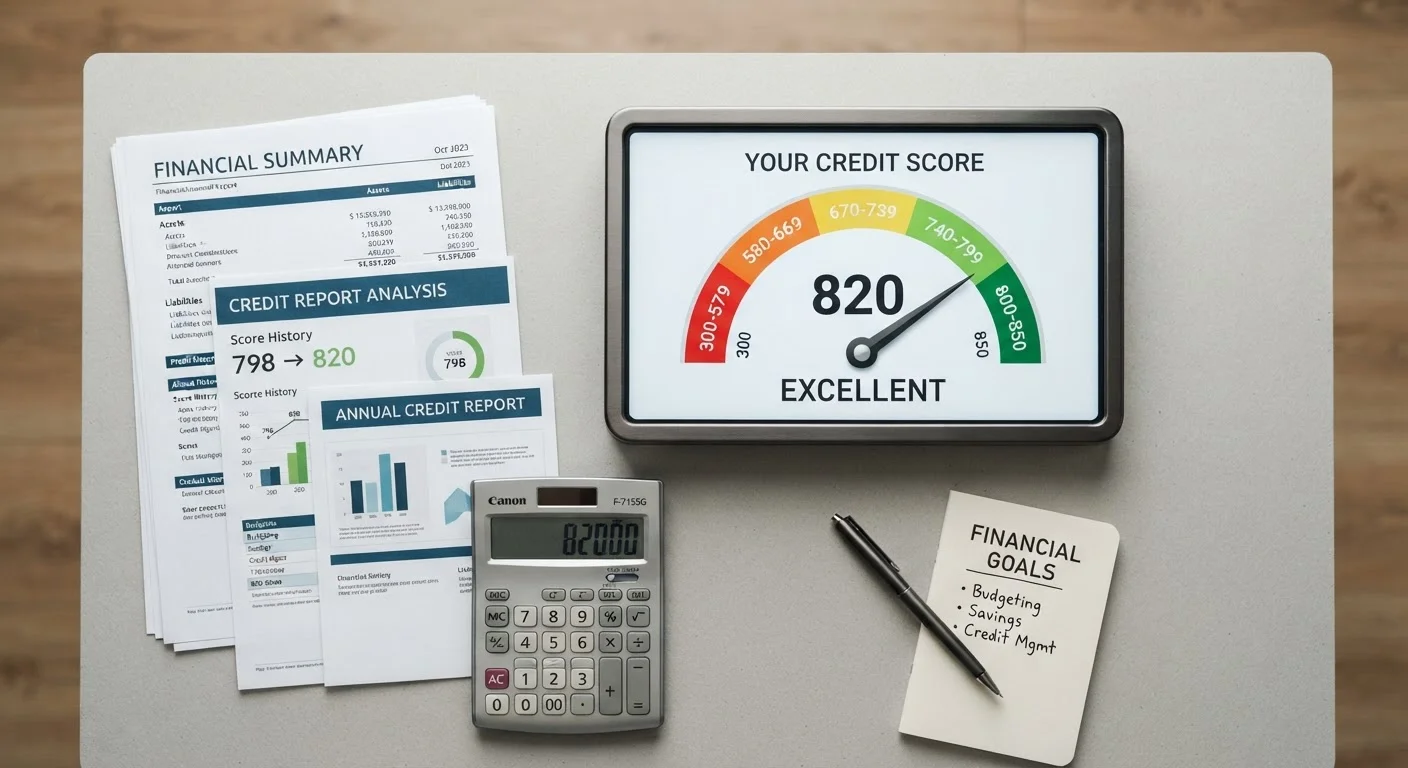
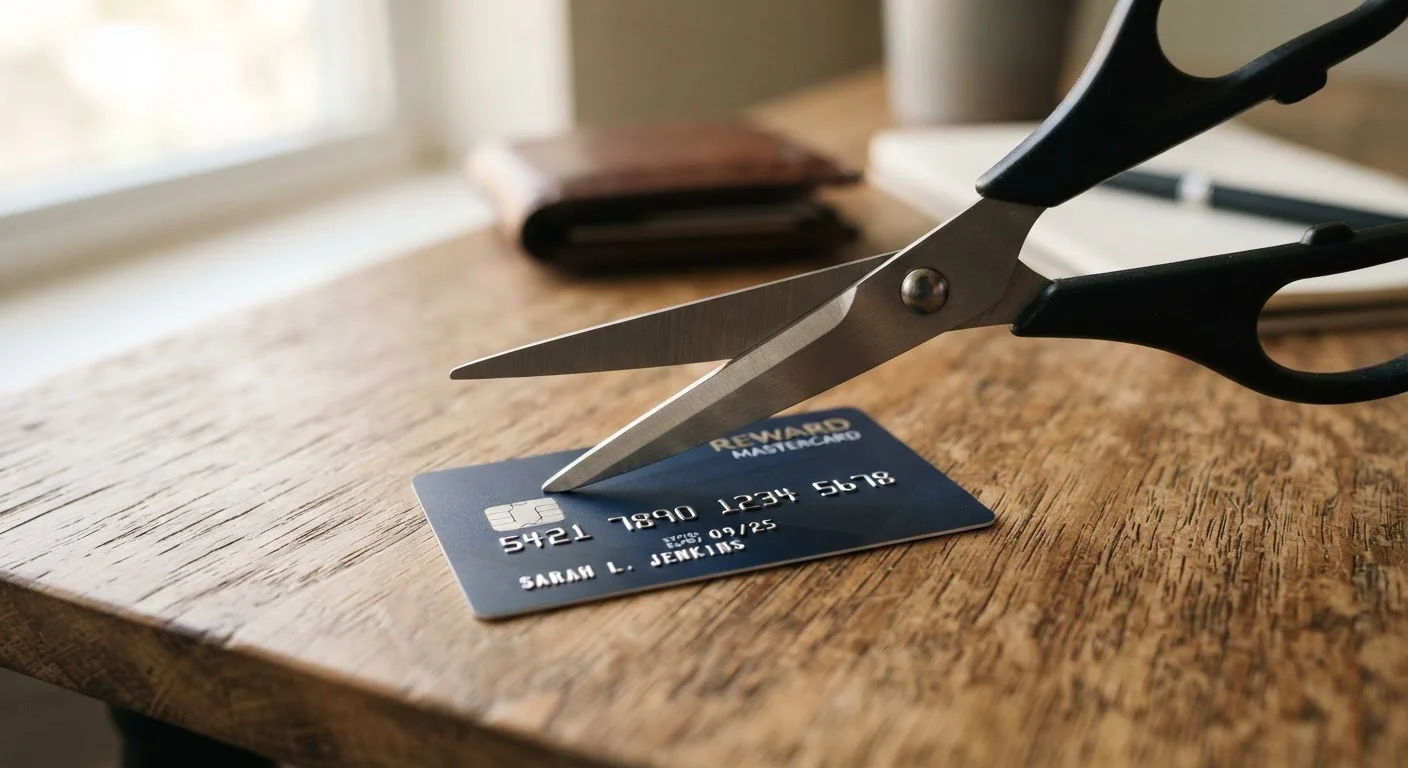
Closing a credit card feels responsible - one less account to track, one fewer bill to potentially miss. But credit scoring models don't interpret the move that way. To understand why, it helps to review the five factors that shape your credit score: payment history, credit utilization, length of credit history, credit mix, and new inquiries. Closing an old card can negatively affect at least two of these simultaneously.
Your credit utilization ratio measures the percentage of your total available revolving credit that you're currently using. If you have $10,000 in total credit limits and carry $2,000 in balances, your utilization is 20% - generally considered healthy. Close a card with a $3,000 limit and suddenly your available credit drops to $7,000, pushing that same $2,000 balance to a 28.6% utilization rate. That shift can register as a score decline within a single billing cycle.
If any of these terms are new to you, our glossary of key credit terms explains utilization, credit mix, and other essential vocabulary in plain language.
Common Mistakes - and How to Avoid Them
Most card closures that hurt credit scores aren't the result of bad intentions - they're the result of incomplete information. The mistakes below are among the most frequently made, and each one is avoidable with a bit of preparation.
Closing a card to 'simplify' finances without checking the utilization impact first.
Why it happens: Consumers often think fewer accounts means a cleaner financial picture, but credit scoring models don't reward simplicity - they reward available, responsibly used credit.
Canceling your oldest card because you no longer use it regularly.
Why it happens: An unused card can feel like dead weight, but its age is actively contributing to both the length of your credit history and your average account age - two factors that influence your score.
Assuming a closed account disappears from your credit report immediately.
Why it happens: Many people believe closing a card erases its history, but credit bureaus typically retain closed accounts in good standing for up to 10 years.
Closing multiple cards at the same time to avoid an annual fee.
Why it happens: When consumers spot several cards with annual fees, they may decide to cancel all of them at once to cut costs - without realizing the compounding effect on available credit.
For a broader look at behaviors that protect your score over time, see our guide to credit score habits worth building early.
When Closing a Card Is the Right Decision
Don't Close Cards Before a Major Application
If you're planning to apply for a mortgage, auto loan, or other significant credit product in the next three to six months, avoid closing any credit card accounts during that window. Lenders review your score at the time of application, and a score dip from reduced available credit or a shorter average account age could affect your approval odds or the interest rate you're offered.
Not every card closure is a mistake. If a card carries a high annual fee that no longer delivers proportional value, charges are appearing you don't recognize, or the card is linked to a financial relationship you want to end entirely, closure can be the correct choice - even knowing the potential score impact.
The key is to make the decision with full awareness rather than impulse. Before closing, check your current utilization ratio, note the account's age relative to your other cards, and consider whether the issuer offers a product change - switching to a no-fee version of the same card preserves the account's history without the ongoing cost. If you do proceed, time the closure well away from any planned credit applications. Our pre-application checklist walks through exactly what to review before submitting any new credit request.
One persistent myth worth dispelling: carrying a balance on a card does not help your score. If you've been keeping a balance on an old card under the mistaken belief that it signals activity to lenders, our article on why carrying a balance won't help your credit score explains what the evidence actually shows.
Utilization Can Spike Immediately
When you close a card, that account's credit limit is removed from your total available credit overnight. If you carry any balances on other cards, your credit utilization ratio - how much of your available credit you're using - can jump sharply. Because utilization typically accounts for roughly 30% of a FICO score, even a temporary spike can cause a meaningful score drop. Pay down existing balances before closing any card to soften this effect.
This article is for general informational purposes only and does not constitute personalized financial or credit advice. Consider consulting a qualified financial professional before making decisions that could affect your credit profile.