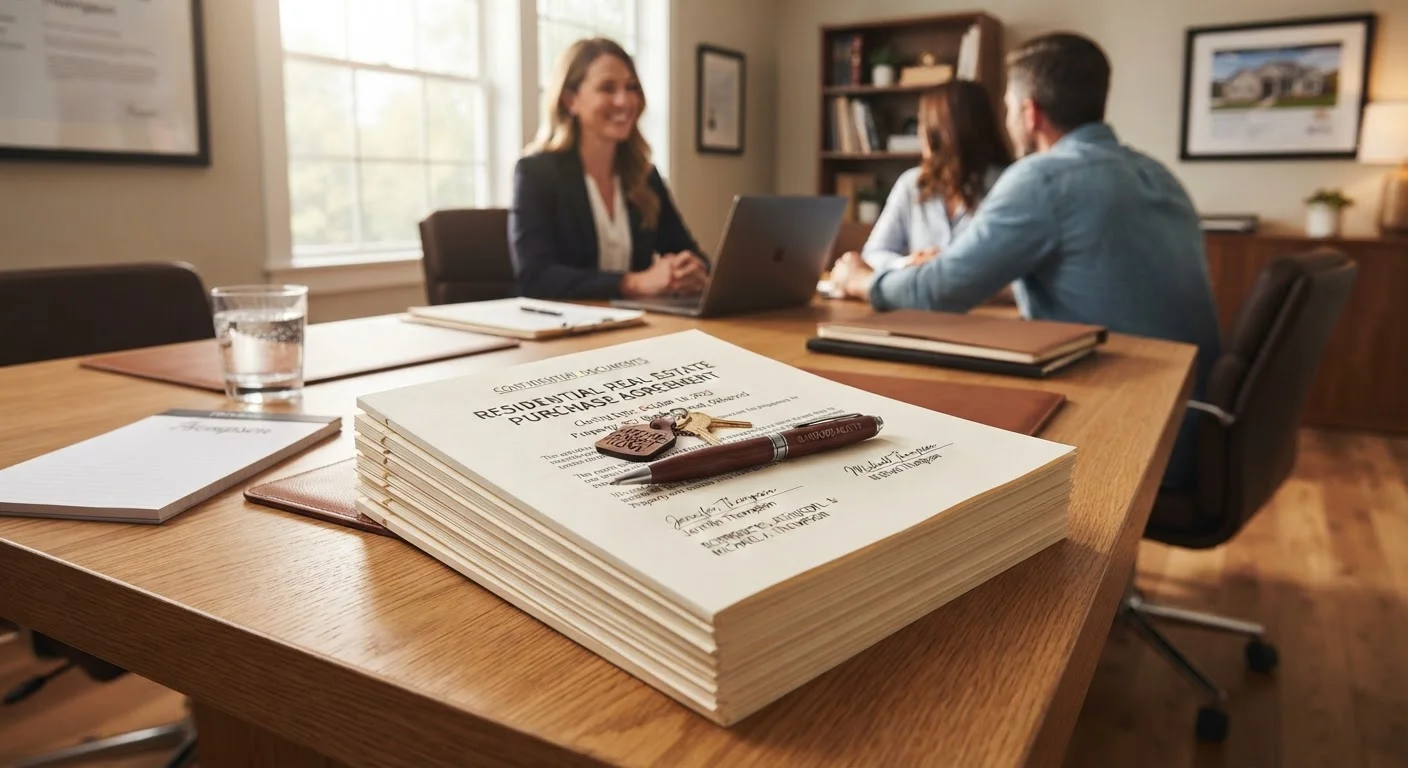
Before you sign at the closing table, there are a dozen items worth confirming. Use this checklist to head into settlement fully prepared.
Key Takeaways
Review your Closing Disclosure at least three business days before your settlement date.
Confirm the final loan terms match what you were originally quoted.
Conduct a final walkthrough of the property within 24 hours of closing.
Verify you have the correct form of payment and exact certified funds amount.
Ensure title insurance is in place before you sign any transfer documents.
Bring a valid government-issued photo ID to the closing table.
Why a Pre-Closing Checklist Matters
Closing day is the finish line of one of the largest financial transactions most Americans will ever make. But arriving unprepared can mean delays, unexpected costs, or - in the worst cases - signing documents that don't reflect what you agreed to. A systematic review in the days leading up to settlement gives you the time and clarity to catch discrepancies before ink hits paper.
The federal Real Estate Settlement Procedures Act (RESPA) requires lenders to provide a Closing Disclosure at least three business days before closing. That window exists precisely so buyers can review figures carefully - use it. Much like a pre-signing review for a used car deal, running through a property checklist systematically keeps nothing important from slipping through the cracks.
Documents to Review in Advance
Compare your Closing Disclosure line-by-line against your Loan Estimate to identify any fee increases or new charges.Must
Confirm the loan amount, interest rate, and loan type on the Closing Disclosure exactly match your approved terms.Must
Verify that your prepaid items - homeowners insurance premium, property taxes, and prepaid interest - are calculated correctly.Must
Review the title commitment for any exceptions, easements, or encumbrances that could affect your use or ownership of the property.Must
Confirm that lender's title insurance and owner's title insurance are listed and that coverage amounts are accurate.Must
Financial Figures and Funds
Obtain the exact cash-to-close figure from your settlement agent and arrange a certified check or wire transfer for that precise amount.Must
Confirm that your earnest money deposit credit is correctly reflected in the closing figures.Must
Verify that any seller concessions or credits negotiated in the purchase contract appear on the Closing Disclosure.Must
Check prorated property tax credits or charges to confirm the calculation reflects the correct closing date.Should
Confirm your homeowners association (HOA) dues, if applicable, are prorated accurately and any transfer fees are disclosed.Should
Property Condition and Repairs
Complete a final walkthrough - ideally within 24 hours of closing - to confirm the property is in the agreed-upon condition.Must
Verify that all negotiated repairs are completed and obtain any invoices or warranties from the contractors who performed them.Must
Confirm that all fixtures, appliances, and personal property included in the purchase agreement are still present in the home.Must
Check that utilities are still active during the walkthrough so you can test systems such as HVAC, plumbing, and electrical.Should
Insurance and Utility Setup
Confirm your homeowners insurance policy is bound and effective as of your closing date, and provide proof of insurance to your lender.Must
Arrange for utility accounts - electricity, gas, water, internet - to transfer into your name effective on the closing date.Should
If the property is in a flood zone, confirm flood insurance is in place if required by your lender.Must
Day-of Logistics
Bring a valid, government-issued photo ID - typically a driver's license or passport - as it is required for notarization.Must
Confirm the time and location of your closing appointment with the settlement agent or title company at least 48 hours in advance.Should
Bring a copy of the purchase agreement and any signed addenda so you can cross-reference documents at the closing table.Should
Ask your settlement agent in advance which documents you will be signing so you can review templates or ask questions beforehand.Nice to have
What to Do If You Spot a Problem
It's not unusual to find a discrepancy during your review - a fee that doesn't match the Loan Estimate, a repair that wasn't completed, or an earnest money credit that's missing. The key is raising the issue promptly with your real estate agent and, if it involves loan figures, your lender's loan officer. Do not let time pressure push you into signing documents you haven't fully understood.
Never Wire Funds Without Verifying Instructions
Wire fraud targeting homebuyers is a documented and growing problem. Criminals sometimes intercept email communication and send convincing but fraudulent wiring instructions. Always confirm wire transfer details by calling your settlement agent or title company directly - using a phone number you sourced independently, not one from an email. Never wire funds based solely on emailed instructions, even if the message appears to come from a known contact.
Signing Under Time Pressure Is a Risk
Closing appointments can feel rushed, especially when multiple parties are waiting. Resist any pressure to sign documents you haven't read or that don't match what you expected. You have the right to pause, ask questions, and request clarification on any item. If something material doesn't add up, it is appropriate to stop the closing until it is resolved.
If an issue is significant - such as a title defect or an unpaid lien surfacing on the title commitment - closing may need to be postponed. That's a legitimate and sometimes necessary outcome. Your goal is to close on a property you fully understand, not simply to close quickly. For a broader perspective on making confident, informed financial decisions, the principles covered in the Smart Buying Tips hub apply well beyond retail purchases.
This article is for general informational and educational purposes only and does not constitute legal, financial, or tax advice. Consult a licensed real estate attorney, title professional, or financial adviser for guidance specific to your transaction and jurisdiction.
Real Estate Editorial Team is the collective byline for our editorial team and contributor network. Articles published under this byline or an editorial pen name are researched, written, and reviewed according to our editorial standards for clarity, consistency, and independence before publication.
The content on this site is provided for informational purposes only and should not be considered a substitute for professional advice. While we strive to provide accurate and up-to-date information, we make no guarantees regarding its completeness or accuracy. Always consult a qualified professional for advice specific to your circumstances before making any decisions.