The Numbers on Your Tire Sidewall, Explained
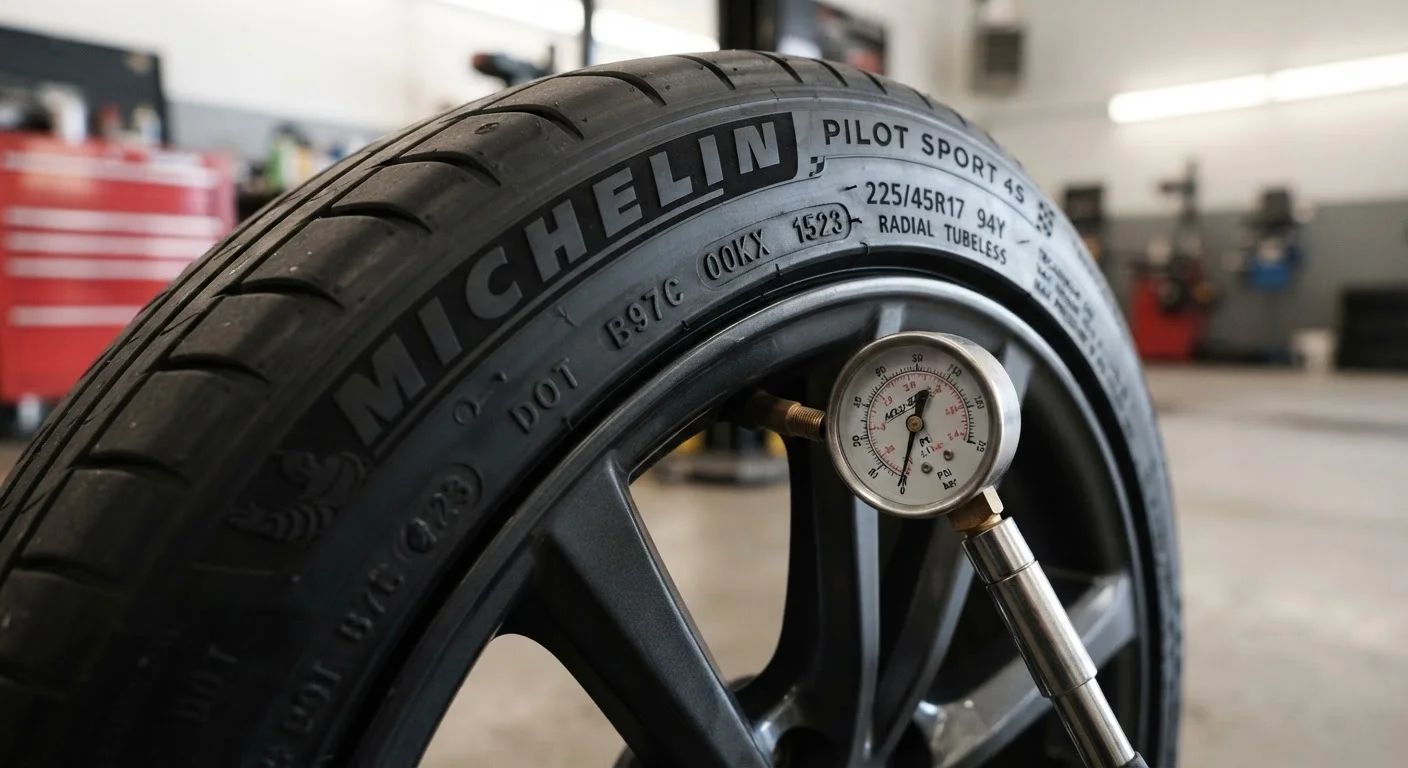
Every tire carries a string of letters and numbers on its sidewall - something like P215/65R17 98H. Each segment tells you something specific about that tire's size, construction, and performance rating.
- P - Passenger vehicle tire (LT indicates light truck)
- 215 - Tire width in millimeters, measured from sidewall to sidewall
- 65 - Aspect ratio: sidewall height is 65% of the tire's width
- R - Radial construction (the standard for modern passenger tires)
- 17 - Wheel diameter in inches the tire is designed to fit
- 98 - Load index: the maximum weight each tire can support (98 = 1,653 lbs per tire)
- H - Speed rating: the maximum sustained speed the tire is rated for (H = 130 mph)
Replacing tires with a different size or lower speed rating than your vehicle's original specification can affect handling, fuel economy, and safety. Always match or exceed the manufacturer's minimum ratings - check your door jamb sticker or owner's manual for the recommended specs.
| Typical recommended PSI range | 30-35 PSI (passenger cars) (Check door jamb sticker for your specific vehicle) |
| Legal tread minimum (most US states) | 2/32 of an inch |
| Safe replacement threshold (wet conditions) | 4/32 of an inch |
| Maximum recommended tire age | 6-10 years from manufacture date (NHTSA and major tire manufacturers) |
| Typical rotation interval | Every 5,000-7,500 miles (Varies by vehicle; consult owner's manual) |
| TPMS alert threshold | 25% below recommended PSI (US federal mandate, vehicles 2008 and later) |
Tire Pressure: Finding the Right PSI
Tire pressure is measured in PSI (pounds per square inch). The most important thing to know: do not inflate your tires to the number printed on the tire sidewall. That figure is the maximum pressure the tire can safely hold - not the recommended operating pressure.
The correct PSI for your vehicle is printed on the driver's door jamb sticker or in your owner's manual. For most passenger cars, this falls between 30 and 35 PSI, though crossovers and trucks may run higher.
Key pressure guidelines
- Check pressure when tires are cold - before driving more than a mile or two. Heat from driving temporarily raises PSI by 4-8 points, which can give a false reading.
- Tires naturally lose about 1-2 PSI per month and drop roughly 1 PSI for every 10°F decrease in ambient temperature.
- Underinflated tires increase rolling resistance, reduce fuel efficiency, generate excess heat, and wear the outer edges of the tread faster.
- Overinflated tires reduce the contact patch with the road, decreasing traction and causing accelerated wear in the center of the tread.
Most newer vehicles (2008 and later, federally mandated in the US) include a Tire Pressure Monitoring System (TPMS) that alerts you when any tire drops 25% or more below the recommended PSI. Don't wait for the warning light - monthly manual checks with a quality gauge are more reliable and catch gradual losses before they become a problem.
Tread Depth: The Legal Minimum vs. the Safe Minimum
Tread depth is measured in 32nds of an inch. New tires typically start at 10/32" to 11/32" of tread depth. Here are the thresholds that matter:
| Tread Depth | What It Means |
|---|---|
| 6/32" | Consider replacement soon, especially in wet climates |
| 4/32" | Significantly reduced wet-weather traction; replacement strongly recommended |
| 2/32" | Legal minimum in most US states; tire is unsafe and must be replaced |
The penny and quarter test
You can estimate tread depth with a coin:
- Quarter test: Insert a quarter into the tread groove with Washington's head pointing down. If you can see the top of his head, you're at or below 4/32" - it's time to start shopping for replacements.
- Penny test: Insert a penny with Lincoln's head pointing down. If you can see the top of his head, you're at or below 2/32" - the tire is legally worn out in most states.
Check tread depth in multiple locations across each tire. Uneven wear - more on one edge than the other - often signals an alignment or inflation problem that a qualified mechanic should evaluate.
Tire Age and Rotation: The Other Numbers to Track
Even tires with adequate tread depth can degrade over time. Rubber compounds break down due to UV exposure, ozone, and temperature cycling - a process called oxidation. Most tire manufacturers and the National Highway Traffic Safety Administration (NHTSA) recommend replacing tires no more than 6 to 10 years from their manufacture date, regardless of tread depth.
You can find a tire's birth date by locating the DOT code on the sidewall. The last four digits indicate the week and year of manufacture. For example, 2319 means the 23rd week of 2019.
Rotation intervals
Rotating tires - moving them between axle positions - promotes even wear and extends their usable life. Most manufacturers recommend rotation every 5,000 to 7,500 miles, which often aligns with oil change intervals. Always consult your owner's manual, as some vehicles with staggered tire sizes (wider rears than fronts) have different or limited rotation options.
Keeping a simple maintenance log with your current PSI readings, tread depth measurements, and rotation dates gives you a clear picture of your tires' condition over time - and makes it easier to spot problems before they escalate.