What Brake Noise Is Actually Telling You
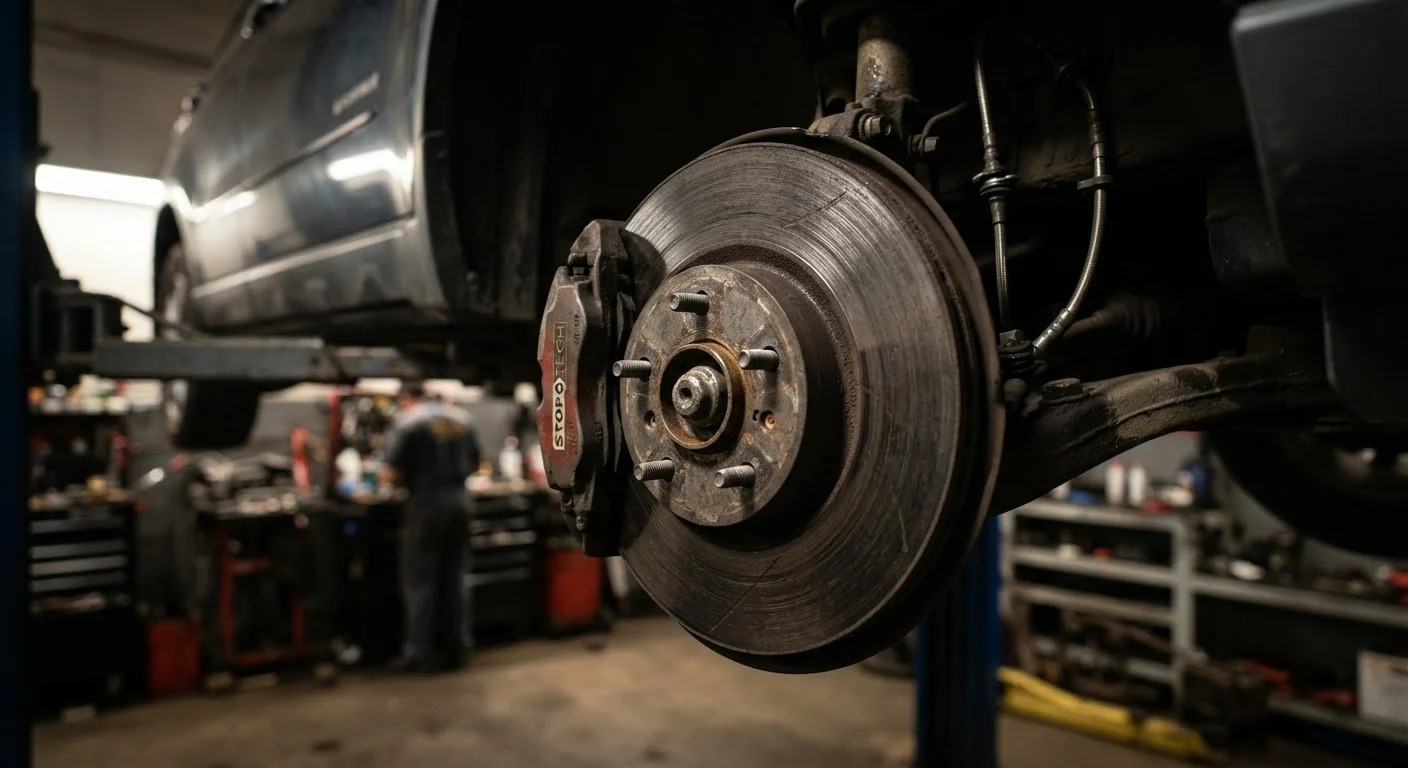
Your brakes are engineered to communicate. When something changes in how they sound or feel, that's intentional design at work - not just coincidence. Most modern brake pads contain a small metal wear indicator that contacts the rotor and creates a high-pitched squeal once the pad material wears down to a critical threshold. Think of it as a built-in alarm system.
But not all brake noise means the same thing. A brief squeal on a cold, damp morning that disappears after a few stops is usually surface rust burning off the rotor - a harmless and common occurrence. Persistent squealing throughout normal driving is a different story. And grinding or scraping sounds are more serious still, typically indicating that pads have worn completely through and metal is contacting metal. Understanding these distinctions helps you respond appropriately rather than either panicking or ignoring a genuine warning.
Dismissing squealing brakes as 'just noise' and continuing to drive without investigation.
Why it happens: Brake squeal is common enough that many drivers assume it's normal or temporary, especially if the car still stops without obvious problems.
Waiting until brakes grind before scheduling a service appointment.
Why it happens: Grinding feels more urgent than squealing, so drivers often use it as the true trigger - not realizing grinding means damage is already happening.
Ignoring a pulsating or vibrating brake pedal, assuming it's a minor annoyance.
Why it happens: Pedal pulsation doesn't always correlate with obvious noise, so drivers sometimes attribute it to road conditions or tire issues.
Topping off brake fluid without investigating why it's low.
Why it happens: Low brake fluid looks like a simple fix, and adding fluid is easy. Drivers often stop there without considering what caused the drop.
Assuming all four brakes wear at the same rate and only checking one wheel.
Why it happens: It's tempting to spot-check the most accessible brake and generalize from there, especially when time or access is limited.
The Mistakes That Turn a Small Problem Into a Big One
Brake issues rarely appear without warning. More often, drivers overlook or dismiss early signals, allowing minor wear to escalate into rotor damage, caliper failure, or compromised stopping power. The mistakes below are among the most common - and most avoidable - that drivers make when their brakes start speaking up.
Grinding Brakes Mean Rotor Damage Is Likely Occurring
If your brakes are producing a grinding or metal-scraping sound, do not delay service. At this stage, brake pad material has typically worn through entirely, and the metal backing plate is contacting the rotor directly. Continued driving can score or crack the rotor, turning what would have been a pad replacement into a full rotor replacement - or worse, a safety failure. Schedule an inspection as soon as safely possible.
If at any point your brake pedal feels soft, spongy, or sinks toward the floor, treat this as an urgent safety concern. That behavior can indicate brake fluid loss or air in the brake lines, and the vehicle should not be driven until inspected by a qualified mechanic.
When to Handle It Yourself - and When to Call a Pro
Some brake maintenance is within reach of a mechanically inclined driver - checking pad thickness through the wheel spokes, for example, or topping off brake fluid to the correct level. However, brake system work involves your vehicle's primary safety system, and errors carry serious consequences. Replacing brake pads and rotors requires proper tools, torque specifications, and knowledge of your specific vehicle's brake architecture.
As a general guideline: if you hear squealing that persists, have the pads inspected soon. If you hear grinding, schedule service promptly - rotor damage may already be occurring. If the vehicle pulls to one side under braking or the pedal pulsates, a mechanic should evaluate the system before the problem worsens. Brake inspections are typically included with tire rotations at many service shops, making them easy to work into your routine maintenance schedule.
This article is for general informational purposes only. Brake system inspection and repair should be performed by or verified by a qualified automotive technician. Do not delay professional evaluation if you experience reduced braking performance, unusual noises, or pedal irregularities.