
What Mindfulness Actually Means
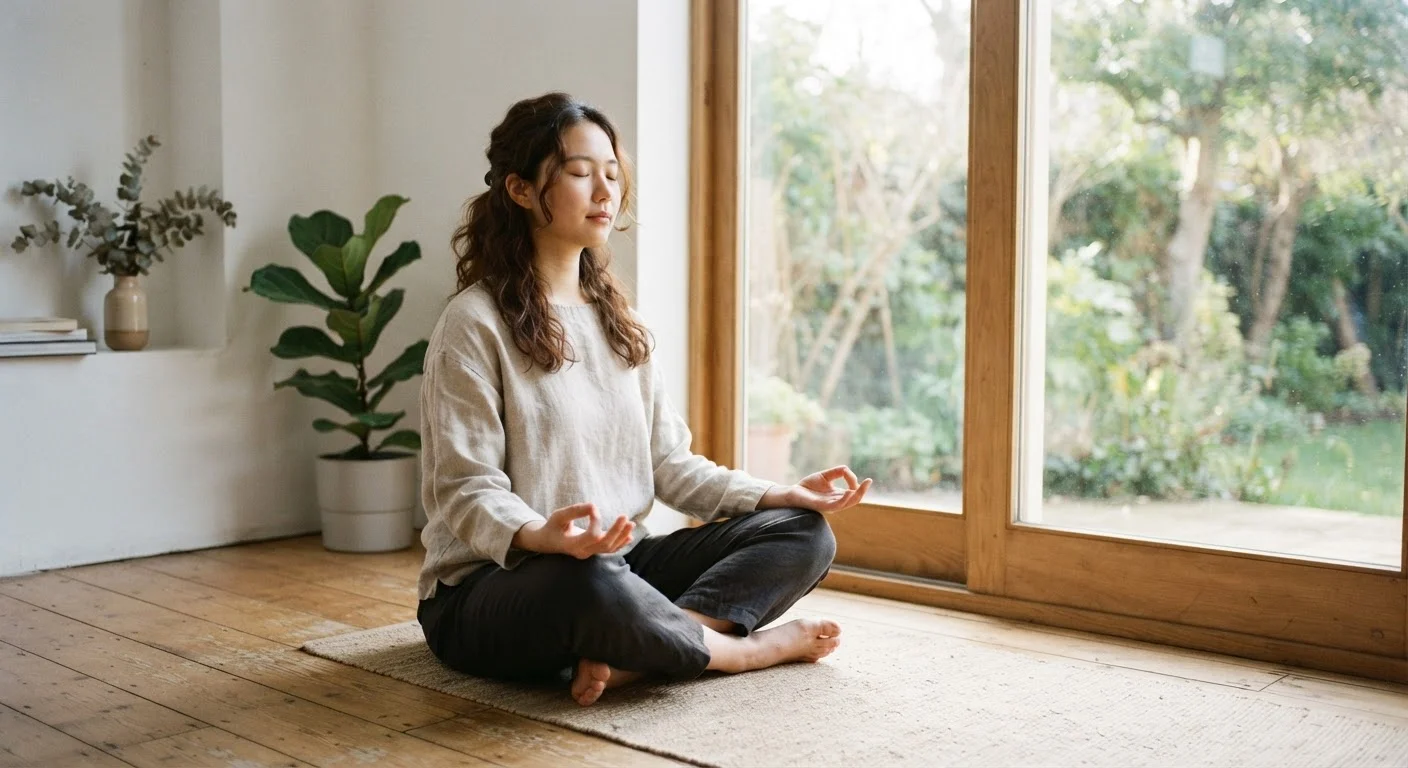
The word mindfulness gets thrown around constantly in wellness conversations, but its core meaning is straightforward: it refers to the practice of intentionally paying attention to what is happening right now - in your body, your thoughts, and your surroundings - without immediately judging or reacting to it.
The concept draws from Buddhist meditative traditions but was adapted into a secular, clinical framework in the late 1970s by researcher Jon Kabat-Zinn at the University of Massachusetts. His Mindfulness-Based Stress Reduction (MBSR) program brought structured mindfulness practice into hospital and research settings, sparking decades of scientific study.
In practical terms, mindfulness is not a personality trait you either have or lack. It is a skill - one that can be practiced in brief moments throughout the day, not only during formal meditation sessions. Noticing the feeling of your feet on the floor, paying close attention while eating, or simply pausing before responding in a conversation are all expressions of mindfulness.
For a broader look at mental wellness concepts and how they connect, the Mental Wellness Glossary offers plain-language explanations of terms you'll encounter regularly.
Common Myths - Corrected
Mindfulness has attracted a significant amount of misrepresentation, both from overenthusiastic promoters and skeptical critics. The myth-and-fact pairs below address the most widespread misconceptions directly.
Myth
Mindfulness means emptying your mind of all thoughts.
Fact
Mindfulness is about noticing thoughts without getting swept up in them - not eliminating them.
The goal is not a blank mind, which is neurologically impossible during wakefulness. Instead, the practice involves observing thoughts as they arise - treating them as passing events rather than commands or facts - and gently redirecting attention when it wanders. The moment you notice your mind has drifted and you bring it back is itself the practice working correctly.
Myth
Mindfulness is a religious practice and requires spiritual belief.
Fact
Modern mindfulness as taught in clinical and educational settings is entirely secular.
While mindfulness has roots in Buddhist philosophy, the version studied in psychological research and taught in hospitals, schools, and workplaces does not involve religious content, ritual, or belief. Secular mindfulness programs focus exclusively on attention and awareness training. People of any faith background - or no faith at all - can practice it without conflict.
Myth
You have to meditate for long periods every day for mindfulness to work.
Fact
Research supports meaningful benefits from shorter, consistent practice - even a few minutes daily.
Studies examining brief mindfulness interventions - some as short as 10 minutes per day - have found measurable effects on stress and attention. What appears to matter most is consistency over time, not session length. Informal practice (brief moments of intentional awareness during everyday activities) also contributes to building the skill outside of formal sitting meditation.
Myth
Mindfulness is just relaxation - it's the same as taking a break or watching TV.
Fact
Mindfulness is an active, deliberate mental exercise; passive rest is something different.
Relaxation can be a side effect of mindfulness practice, but it is not the mechanism or the goal. Mindfulness involves sustained, deliberate attention - which can actually feel effortful at first. Passive activities like watching television involve attention moving outward to external stimuli, with little deliberate awareness of internal states. The distinction matters because the cognitive benefits researchers have observed are linked specifically to the attentional training component, not to rest alone.
Myth
Mindfulness can treat or cure serious mental health conditions on its own.
Fact
Mindfulness is a complementary tool, not a standalone clinical treatment for diagnosed conditions.
Mindfulness-based programs like MBSR and Mindfulness-Based Cognitive Therapy (MBCT) are often used alongside - not instead of - evidence-based treatments such as psychotherapy or medication. For conditions like major depression, PTSD, or anxiety disorders, professional diagnosis and treatment remain essential. Anyone managing a diagnosed mental health condition should discuss the role of mindfulness with their care provider rather than treating it as a substitute. Understanding the difference between mental wellness tools and mental health treatment is explored further in What Mental Wellness Actually Means.
What the Evidence Actually Shows
A substantial body of peer-reviewed research supports mindfulness as genuinely helpful for certain outcomes. Meta-analyses - studies that pool results from many individual trials - have found consistent, moderate evidence that mindfulness-based programs can reduce self-reported stress, improve attentional control, and support emotional regulation.
The evidence is strongest for anxiety and depressive symptoms in non-clinical populations and for stress reduction in workplace and healthcare settings. It is more limited - though still promising - for chronic pain management and sleep quality.
~30%
Reduction in perceived stress
A 2014 meta-analysis published in JAMA Internal Medicine found mindfulness meditation programs produced roughly a 30% reduction in self-reported stress symptoms across reviewed trials.
8 weeks
Typical MBSR program length
The standard Mindfulness-Based Stress Reduction program, the most widely researched mindfulness intervention, runs for eight weeks with weekly group sessions and daily home practice.
200+
Randomized controlled trials reviewed
A comprehensive 2018 review in Psychological Bulletin analyzed over 200 randomized controlled trials of mindfulness-based interventions across a range of psychological outcomes.
It is important to read these findings honestly: effect sizes are often moderate, not dramatic. Mindfulness is a useful tool, not a transformative cure. It works best when practiced regularly and, for clinical concerns, when used alongside professional treatment rather than instead of it.
If you're thinking about how mindfulness fits into a broader daily routine, Building a Simple Daily Mental Wellness Routine from Scratch offers a grounded starting point with no prior experience required.
This article is for general informational purposes only and does not constitute medical or psychological advice. If you are experiencing symptoms of a mental health condition, please consult a qualified healthcare professional.