
The Basic Rhythm: How the Housing Calendar Typically Unfolds
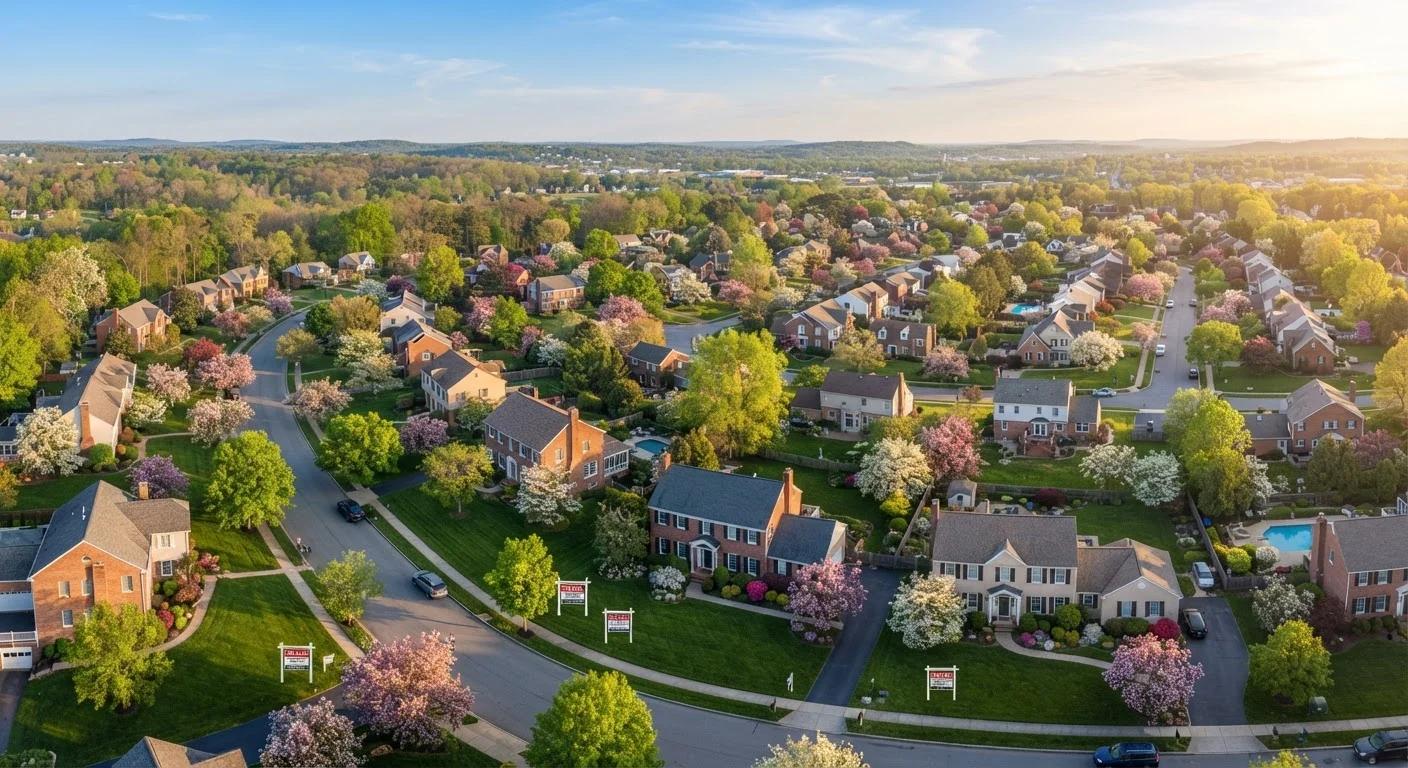
In most parts of the United States, the housing market follows a recognizable annual arc. Activity begins picking up in late winter as buyers who spent the holidays planning start searching in earnest. Listings increase through March and April, and the market reaches peak intensity from May through July - the period when the highest number of homes change hands each year.
By August, momentum begins to ease. Families who wanted to move before the school year have largely done so. Sellers who didn't find buyers may reduce prices or pull listings. September and October represent a secondary, quieter window of activity before the market slows significantly in November and December.
This rhythm is real and measurable. National data consistently shows that more homes sell in summer than in winter, and that median prices tend to peak around mid-year. But understanding why this pattern exists matters as much as knowing it does - and helps clarify when it applies to your situation.
Why Seasonality Exists - and What Drives It
Several reinforcing forces produce seasonal housing patterns:
- School calendars: Families with children are strongly motivated to complete a move before a new school year begins. This concentrates a large segment of buyer demand into the spring search window and summer closing period.
- Weather and daylight: Homes genuinely show better in longer days with curb appeal in bloom. Buyers are also simply more willing to visit open houses when it's warm and dry.
- Tax and financial timing: Year-end financial planning, year-start bonuses, and tax-refund season all influence when households feel ready to make large financial commitments.
- Social momentum: When people see more listings and hear about neighbors selling, it creates a self-reinforcing sense that spring is the time to act.
These drivers explain the pattern - but they also reveal its limits. Not every household has school-age children. Not every region has harsh winters. And not every buyer can wait for an optimal season.
~40%
Share of annual home sales occurring in summer months
National Association of Realtors data consistently shows that June, July, and August account for a disproportionate share of annual existing home sales volume.
10-15 days
Faster median days on market in spring vs. winter
Industry analyses of MLS data typically show homes listed in spring sell meaningfully faster than comparable homes listed in December or January in most US markets.
60%+
Buyers with school-age children citing school timing as a factor
Survey research from multiple housing industry sources indicates a majority of family buyers factor school-year schedules into their move timing decisions.
Regional Differences That Can Override National Trends
National seasonality data masks significant regional variation. The same calendar month can represent very different market conditions depending on where you're looking.
In the Sun Belt - including much of Florida, Arizona, and parts of Texas - winter is actually a peak season for certain buyer segments. Snowbirds and retirees from colder states arrive in fall and often search for homes between November and February. Coastal resort and vacation markets follow entirely different patterns tied to tourism cycles.
In the Upper Midwest and Northeast, where winters are harsh, the spring surge is particularly pronounced because buyers are genuinely constrained from house-hunting for months at a time. The seasonal spread between hot and cold months is wider in these markets.
This is why local market conditions matter so much. National headlines about spring surges or winter slowdowns may simply not apply to the specific city or neighborhood you're evaluating. For a framework on reading local signals more precisely, see the indicators economists actually watch.
What Seasonality Actually Means for Buyers and Sellers
For buyers, spring and summer bring more inventory to choose from - but also more competition. Multiple-offer situations are more common when demand peaks. Buyers who search in fall or winter often face fewer competing offers and may find sellers more willing to negotiate, though they'll have a narrower set of listings to evaluate.
For sellers, listing in spring generally means more exposure and faster sales at stronger prices. But serious, motivated buyers exist year-round. A well-priced, well-presented home in November can attract quality offers from buyers who need to move for job relocations, life changes, or lease expirations - regardless of season.
Understanding whether you're operating in a buyer's market or seller's market at the time of your move matters at least as much as what month it is. Broader market conditions - especially mortgage rate levels and local inventory - can easily outweigh seasonal factors in a given year.
Seasonality is a useful orientation, not a script. For most households, personal readiness - financial stability, life circumstances, job situation - should anchor the timing decision, with seasonal awareness informing expectations rather than dictating the calendar.
This article is for general informational purposes only and does not constitute financial, legal, or real estate advice. Readers should consult a qualified real estate professional for guidance specific to their situation and local market.