The Agency Behind the Rules
The Consumer Product Safety Commission, established by Congress in 1972, has jurisdiction over roughly 15,000 categories of consumer goods - from power tools and furniture to toys and household chemicals. Its mandate is straightforward: reduce unreasonable risks of injury and death associated with everyday products.
The CPSC writes and enforces mandatory standards through a formal rulemaking process that includes public comment periods and cost-benefit analysis. It also references voluntary consensus standards developed by organizations such as ASTM International and Underwriters Laboratories (UL). When an industry's voluntary compliance is deemed insufficient, the agency can elevate those standards into binding federal regulation.
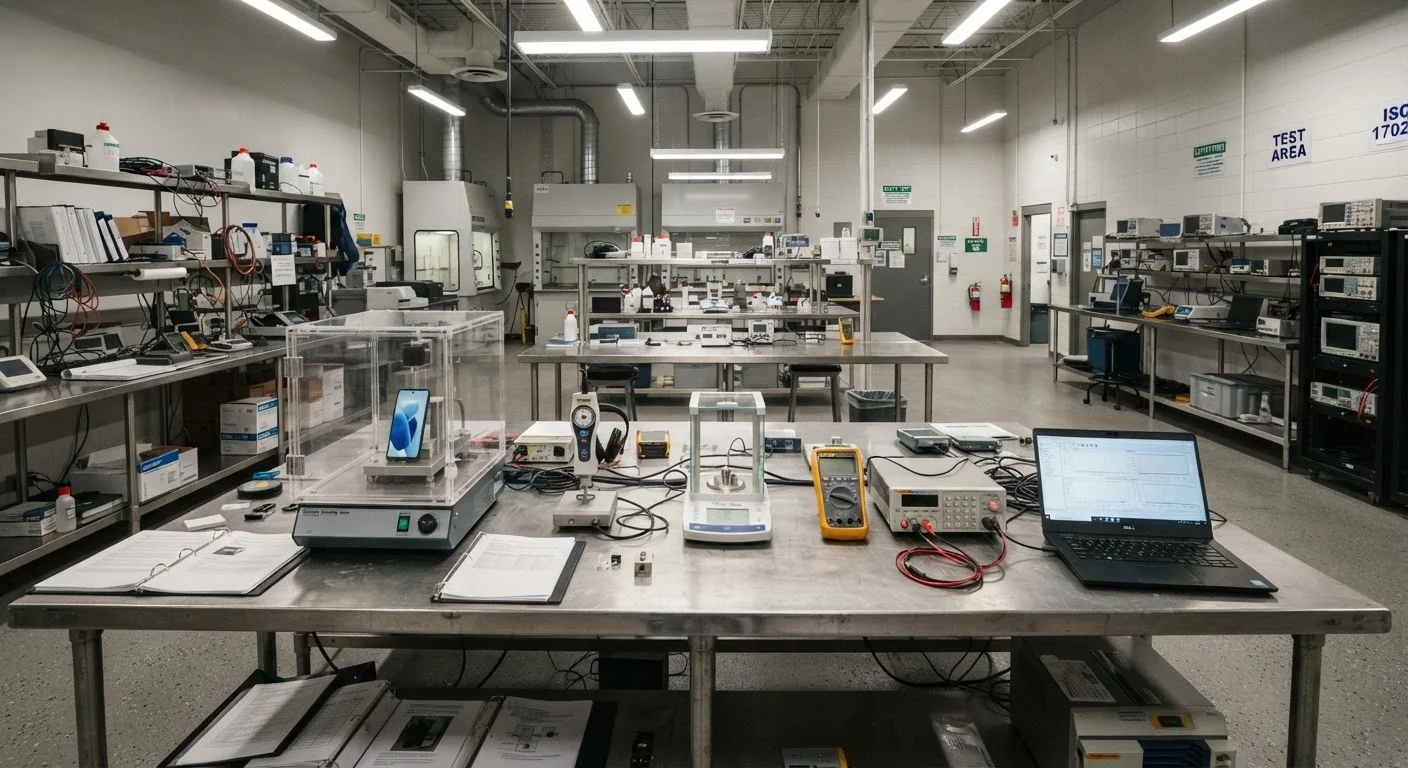
Crucially, the CPSC does not pre-approve products before they reach store shelves. Instead, the system places the legal burden on manufacturers and importers to ensure compliance before sale - a distinction that matters to anyone trying to understand how "safe" a product really is when they pick it up.
How Standards Are Made and Updated
Mandatory standards typically begin with evidence of a hazard - injury data collected through hospital emergency room surveys, consumer complaints filed on SaferProducts.gov, or incidents reported by coroners and medical examiners. The CPSC analyzes this data to determine whether a risk is "unreasonable" under the law, a threshold that weighs the probability and severity of harm against the cost and feasibility of reducing it.
Once a rulemaking is initiated, the public - including manufacturers, trade groups, consumer advocates, and individual citizens - can submit comments. Final rules are published in the Federal Register and become enforceable law. This process can take years, which is why voluntary standards often serve as the operative benchmark in the interim.
Standards Change Over Time
The CPSC revises rules as new hazard patterns emerge. A product that was compliant when manufactured may not meet current requirements if rules have since been tightened. This is a particularly relevant consideration when purchasing used goods - especially children's items like cribs, car seats, and playpens, which are subject to frequent regulatory updates.
Standards are not static. The CPSC revises rules as new hazard patterns emerge. A product that was compliant when manufactured may not meet current requirements if rules have since been tightened - a relevant consideration when purchasing used goods, particularly children's items.
Enforcement, Recalls, and What They Mean for Shoppers
When a product is found to present a substantial product hazard - either because it violates a mandatory standard or because it poses an unreasonable risk of serious injury - the CPSC can take several actions. It can negotiate a voluntary recall with the company, compel a recall through legal action, impose civil penalties, or seek a ban on future sale.
Recall announcements are published at recalls.gov, a joint federal site. Consumers who register products with manufacturers are more likely to receive direct recall notifications, which is a practical reason to complete those registration cards that often come with appliances and children's products.
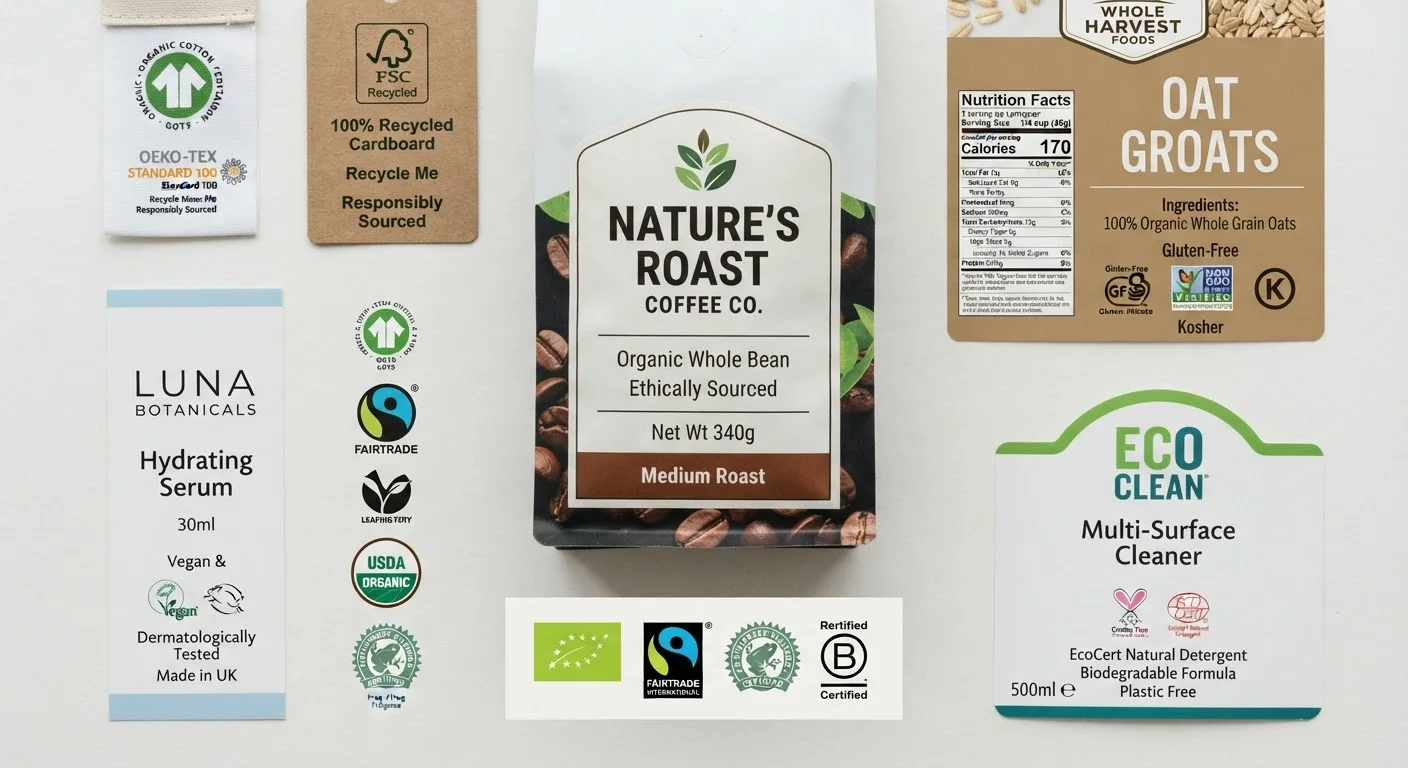
For shoppers, the enforcement landscape carries an important nuance: compliance with a mandatory standard is a legal floor, not a quality guarantee. A product can pass every required test and still be poorly made, short-lived, or unsuitable for a particular use. For a deeper look at how third-party marks can signal meaningful compliance versus marketing badges, see which certifications carry real weight.
What Shoppers Can Actually Do With This Knowledge
Understanding how the standards system works changes how you read product claims. When a label says a product "meets ASTM standards," that may mean mandatory compliance or voluntary adherence - the distinction matters. When a product lacks any reference to testing or certification, that absence is worth noting.
Practical steps any consumer can take include checking SaferProducts.gov before purchasing products for children or elderly family members, verifying whether a specific product category requires third-party testing under CPSC rules (children's products generally do), and searching recalls.gov if you own a product that has been the subject of news reports about safety incidents.
Safety standards exist because market incentives alone don't reliably eliminate hazardous products. Knowing the system's structure - who sets rules, who enforces them, and where the gaps are - puts consumers in a better position to ask the right questions before a purchase, not after an incident.