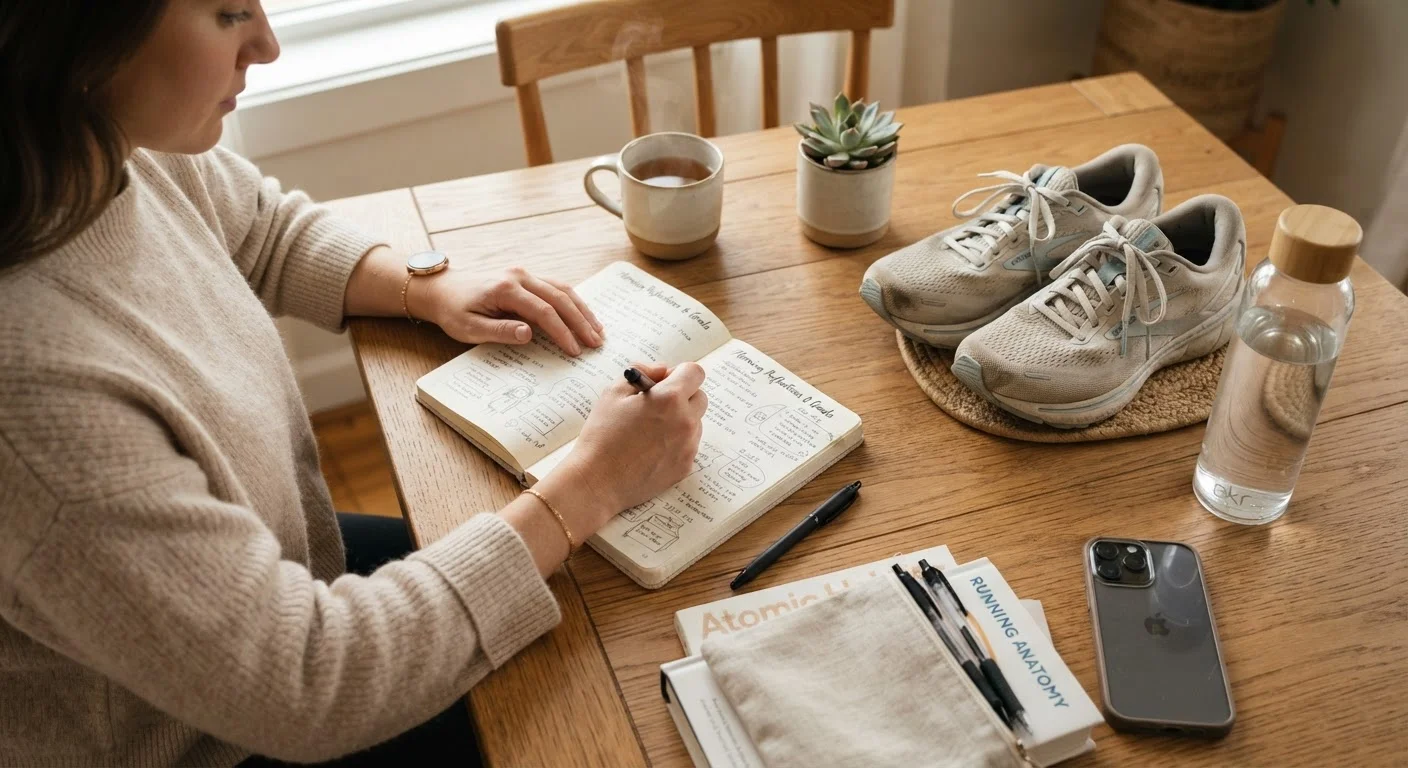
Use this checklist to assess your readiness, identify key considerations, and set up a safe starting point before beginning a new fitness routine.
Key Takeaways
Consulting a healthcare provider before starting is especially important if you have a chronic condition or have been inactive for an extended period.
Knowing your current fitness baseline helps you choose an appropriate starting intensity and reduce injury risk.
Setting realistic, specific goals from the outset supports long-term consistency and motivation.
Having the right equipment and a safe environment matters as much as the workout itself.
Your mental readiness and recovery capacity are just as important as physical preparation.
Why a Self-Assessment Matters Before You Exercise
Starting a new exercise program is one of the most impactful decisions you can make for your long-term health. But jumping in without preparation is one of the most common reasons people get hurt, burn out, or quit within the first few weeks. A structured self-assessment helps you understand where you are physically and mentally, so you can build a program that's challenging without being dangerous.
This checklist is general health information and is not a substitute for personalized medical advice. If you have any existing health conditions, persistent symptoms, or concerns about your physical readiness, consult a qualified healthcare provider before beginning any new exercise routine. For a sense of how self-assessment tools apply across different areas of life, our weekly mental wellness self-check offers a complementary look at emotional and psychological readiness.
Medical & Health Clearance
Schedule a check-in with your doctor or primary care provider if you have a chronic condition, cardiovascular history, or have been sedentary for more than a year.Must
Review any current medications with your healthcare provider to understand how they may affect exercise tolerance, heart rate, or hydration.Must
Note any past injuries, surgeries, or joint issues that should shape your choice of activity or intensity level.Must
Complete a recognized physical activity readiness questionnaire (such as the PAR-Q+) as a preliminary self-screening tool.Should
Fitness Baseline
Honestly evaluate your current activity level - how many days per week you move, for how long, and at what intensity.Must
Identify any movements or activities that feel uncomfortable, painful, or unfamiliar so you can modify or build toward them gradually.Must
Assess your resting heart rate on several consecutive mornings as a simple baseline cardiovascular marker.Should
Note your current sleep quality and average duration, since recovery capacity directly affects how your body adapts to exercise.Should
Goal Setting
Write down one or two clear, specific reasons you want to exercise - general wellness, strength building, stress reduction, or another personal motivator.Must
Set a realistic short-term goal for the first four weeks that is achievable given your current baseline.Must
Identify a longer-term goal (three to six months) that gives your program direction without creating pressure for instant results.Should
Decide how you will track progress - a journal, a simple app, or periodic fitness tests - so you can observe improvement over time.Should
Environment & Equipment
Choose a workout environment - gym, home, park - that is accessible, safe, and realistic for your schedule at least three days per week.Must
Confirm you have appropriate footwear for your chosen activity to reduce injury risk to ankles, knees, and hips.Must
Prepare a basic hydration plan - knowing when and how much water to drink before, during, and after exercise.Must
Arrange any basic equipment you need (resistance bands, mat, weights) and verify it is in safe working condition.Should
Mental & Lifestyle Readiness
Reflect on your current stress levels and whether this is a sustainable moment to add a new physical commitment to your routine.Should
Block out specific days and times in your schedule dedicated to exercise, treating them as non-negotiable appointments.Must
Identify one potential obstacle - time, fatigue, motivation - and brainstorm a concrete plan to address it before it derails you.Should
Consider finding an accountability partner, community class, or coach if solo motivation has been a barrier for you in the past.Nice to have
Review your current nutrition and sleep habits generally, recognizing that exercise outcomes are closely tied to recovery and fueling.Nice to have
What to Have Ready and What to Watch For
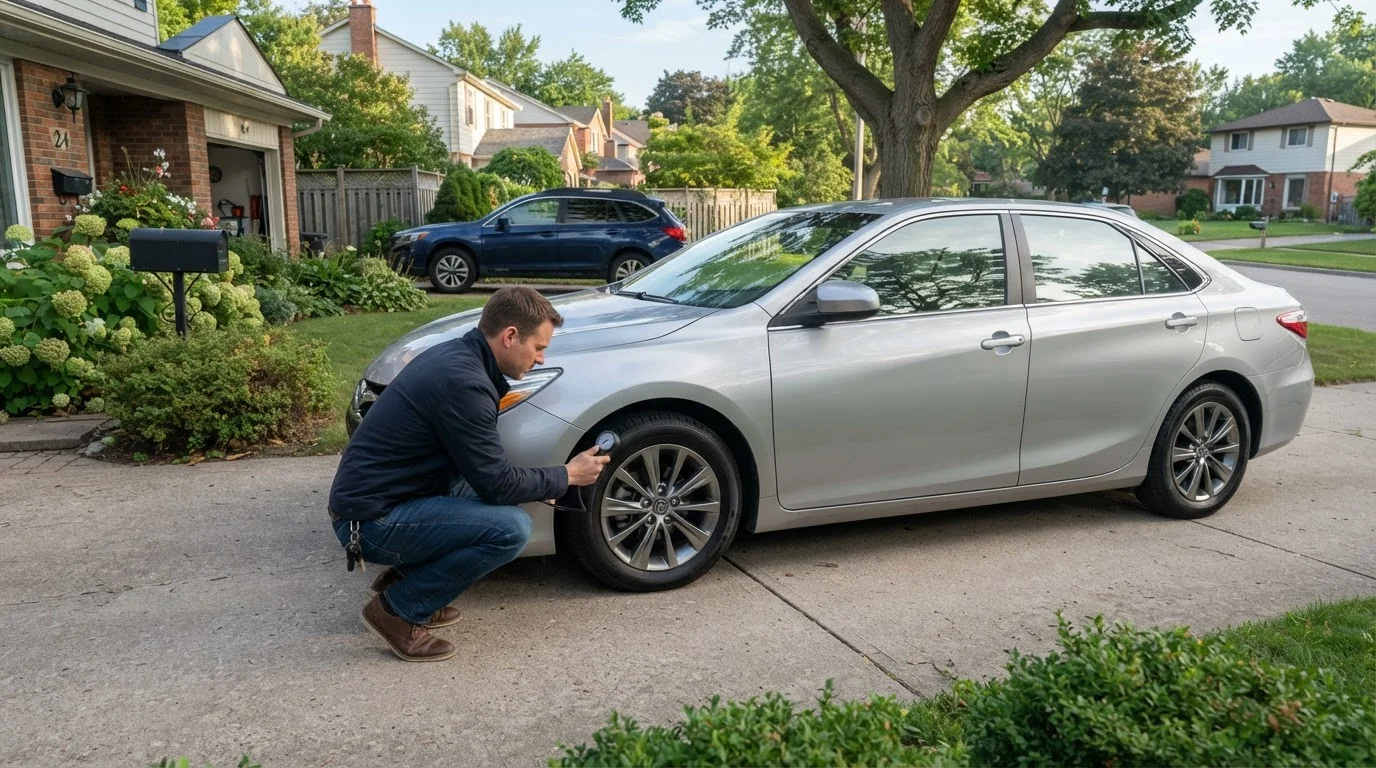
Before you lace up your shoes, make sure you have the basic tools and information in place. Just as a driver verifies their vehicle is road-ready before a trip - the way our pre-trip safety check outlines - an exerciser benefits from confirming the fundamentals before every new phase of training.
Required
PAR-Q+ Questionnaire
A widely recognized physical activity readiness tool that helps identify whether you should consult a physician before starting exercise.
Required
Supportive, Activity-Appropriate Footwear
Proper footwear matched to your activity type reduces the risk of ankle, knee, and foot injuries from the very first session.
Required
Reusable Water Bottle
Staying hydrated before, during, and after exercise supports performance and helps prevent cramping and fatigue.
Optional
Exercise Journal or Tracking App
Recording workouts, perceived effort, and how you feel each session helps you monitor progress and spot early signs of overtraining.
Optional
Heart Rate Monitor or Fitness Tracker
Provides real-time heart rate data to help you exercise within an appropriate intensity range, particularly useful for beginners.
Pay particular attention to any warning signs during your first few sessions: sharp or joint pain (distinct from normal muscle fatigue), dizziness, shortness of breath disproportionate to effort, or chest discomfort. These are signals to stop immediately and seek professional guidance. Normal muscle soreness typically appears 24-48 hours after exercise and fades within a few days - this is distinct from acute pain during activity.
Stop and Seek Help for These Symptoms
If you experience chest pain or pressure, severe shortness of breath, dizziness, fainting, or sharp joint pain during exercise, stop immediately and contact a healthcare provider or emergency services. These symptoms are not normal exercise discomfort and require professional evaluation before you continue any physical activity.
This article is for informational purposes only and is not medical advice. Always consult a qualified healthcare professional before starting a new exercise program, particularly if you have a health condition, are pregnant, or have been inactive for an extended period.
Health & Wellness Editorial Team is the collective byline for our editorial team and contributor network. Articles published under this byline or an editorial pen name are researched, written, and reviewed according to our editorial standards for clarity, consistency, and independence before publication.
The content on this site is provided for informational purposes only and should not be considered a substitute for professional advice. While we strive to provide accurate and up-to-date information, we make no guarantees regarding its completeness or accuracy. Always consult a qualified professional for advice specific to your circumstances before making any decisions.