Why R-Value Matters for Your Home
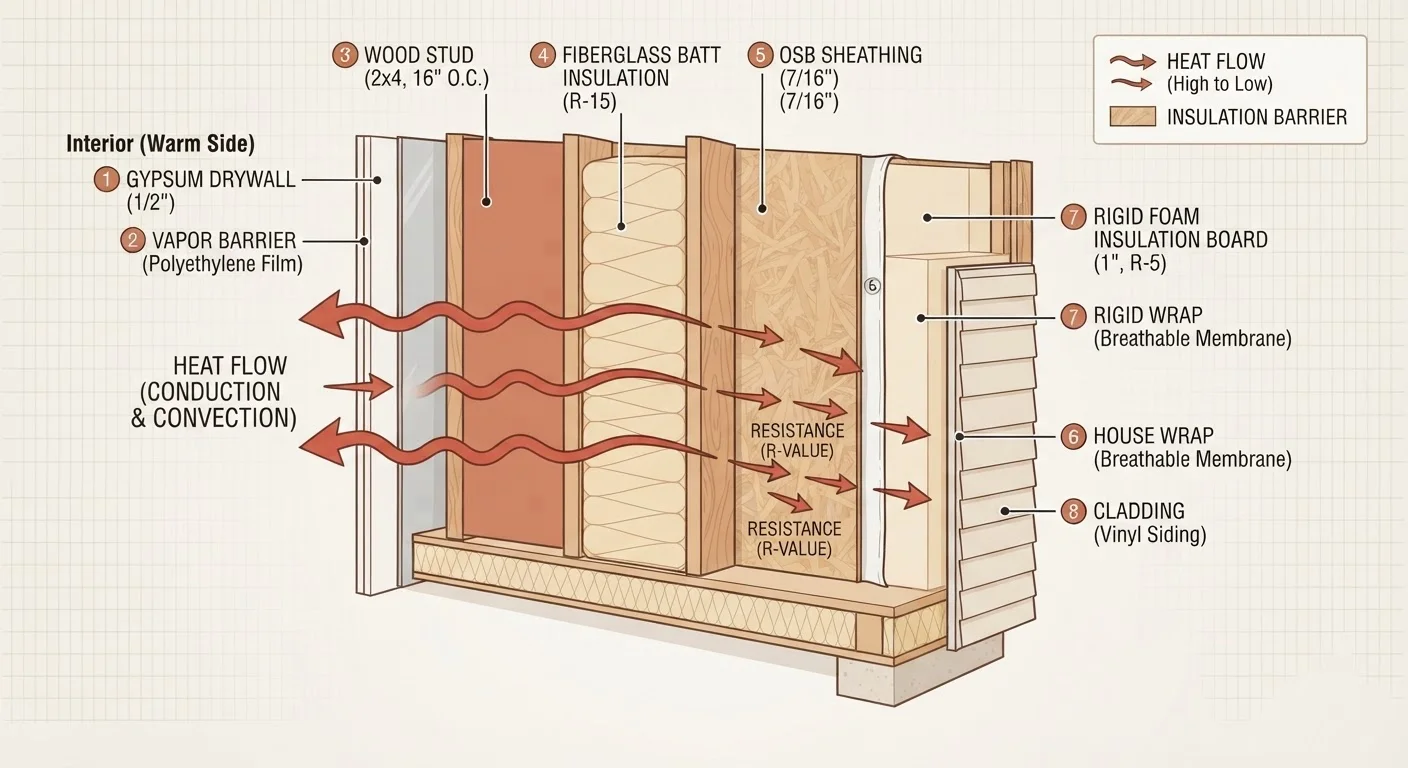
Heat is always on the move, flowing from warm areas toward cooler ones. In winter, that means heat generated inside your home tries to escape through every wall, ceiling, and floor. In summer, outdoor heat pushes its way in. Insulation is the material that slows this transfer down - and R-value is simply the score that tells you how well it does the job.
Think of R-value the way you might think of SPF in sunscreen: a higher number signals stronger protection. An insulation product rated R-30 resists heat flow more effectively than one rated R-13. This matters because better resistance translates directly into a more comfortable home and lower energy bills over time.
Check Your Attic First
If you're not sure where to focus insulation efforts, the attic is typically the highest priority. Heat rises, and an under-insulated attic can account for a significant share of total heat loss. Even adding insulation over an existing attic floor can deliver noticeable comfort improvements.
How R-Value Is Determined
Manufacturers test insulation materials under controlled laboratory conditions and assign an R-value per inch of thickness. Each material has its own inherent resistance depending on how it traps air or reflects heat. Dense materials with many tiny air pockets - like fiberglass batts or cellulose - perform differently than rigid foam boards, which use closed cells to block heat movement.
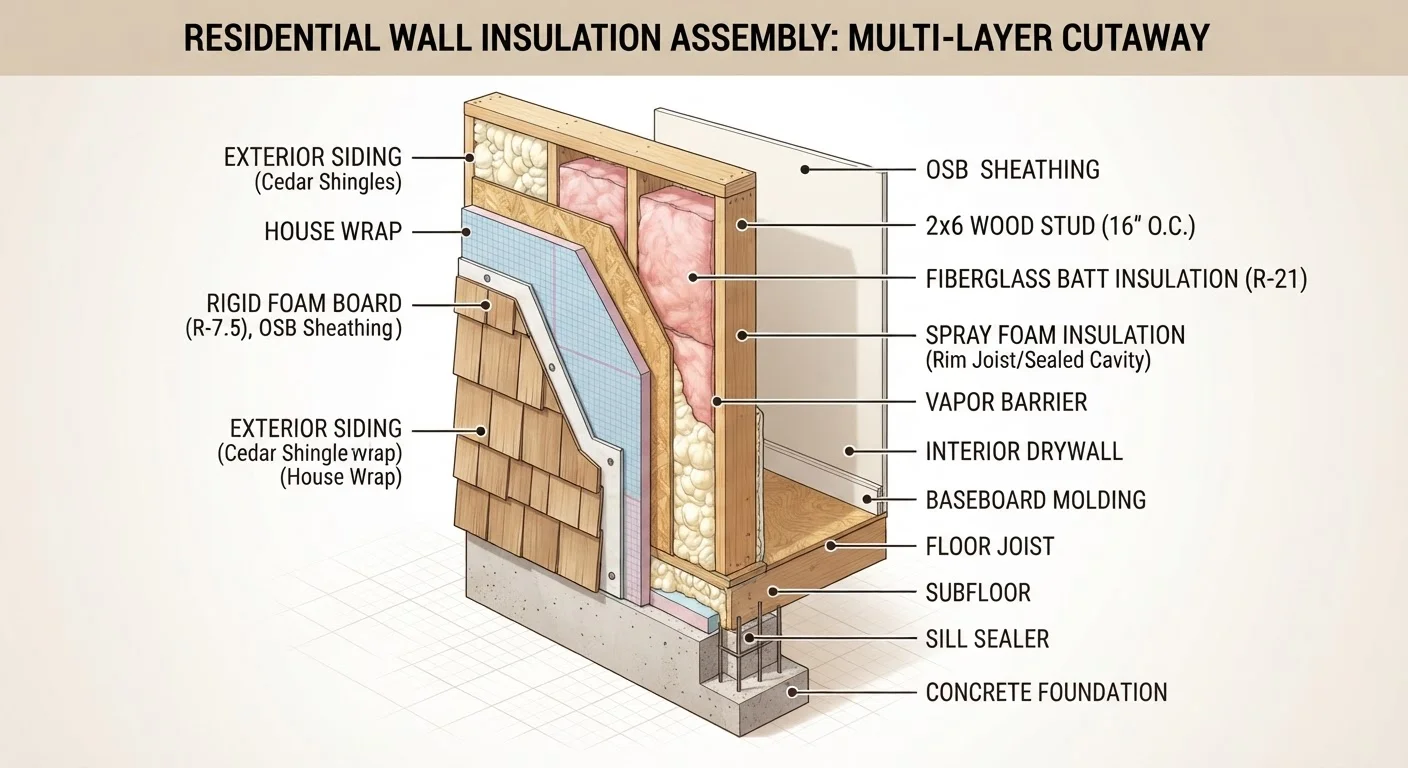
One of the most useful properties of R-value is that it is additive. If you install two inches of rigid foam rated at R-10 against a wall, then add R-13 batt insulation between the studs, the combined assembly delivers roughly R-23 total. This principle makes it practical to upgrade insulation in stages or layer materials to hit a target value. To understand how different materials compare and where each type is typically used, see our guide to home insulation types and applications.
What Reduces Real-World R-Value
The number printed on the packaging reflects ideal laboratory conditions. In real homes, several factors can pull actual performance below the rated value:
- Compression: Squeezing a batt into a space thinner than its designed thickness reduces its effective R-value because the air pockets that provide resistance get crushed.
- Moisture: Wet insulation loses much of its ability to resist heat flow and can also foster mold growth. Proper vapor management is essential.
- Air gaps and thermal bridging: Insulation that doesn't fully contact surrounding surfaces allows air convection to bypass it. Wood studs, metal framing, and joists also conduct heat, reducing the overall performance of the assembly.
- Settling: Loose-fill materials like cellulose or blown-in fiberglass can settle over time, reducing depth and total R-value.
Up to 15%
Potential heating and cooling savings from attic air sealing and insulation
According to the U.S. Department of Energy's estimates for typical American homes with inadequate attic insulation.
R-38 to R-60
Recommended attic R-value range for colder U.S. climate zones
Per U.S. Department of Energy climate zone guidance for Zone 5 and above, covering much of the northern United States.
~90%
Of U.S. homes estimated to be under-insulated
A figure cited by the North American Insulation Manufacturers Association based on housing stock analysis.
Matching R-Value to Your Climate and Home
The U.S. Department of Energy divides the country into climate zones - from the humid heat of Zone 1 in South Florida to the extreme cold of Zone 7 in northern Alaska - and publishes recommended R-value ranges for each zone. Recommendations also differ by location within the house: attics typically require the highest values because heat rises and attic bypasses are among the largest sources of energy loss. Walls and floors have their own targets.
Local building codes set minimum requirements, but meeting the minimum doesn't always mean optimal performance. Many energy-efficiency programs and green building standards recommend going beyond code minimums, particularly in attics, where adding insulation is often one of the more cost-effective home upgrades available.
When planning any insulation project, it's worth checking your local code, consulting with an insulation contractor, and considering a home energy audit to identify where your home currently loses the most heat.
Permits and Professional Guidance
Some insulation projects - particularly those involving spray foam against roof decking or major retrofits in finished walls - may require permits or professional installation in many jurisdictions. Always verify local code requirements before beginning, and consider hiring a certified insulation contractor for complex work.