Why Home Improvement Skills Matter Early
Becoming a homeowner means inheriting a living system that constantly needs attention. Unlike renting, there's no landlord to call when a faucet drips, a door sticks, or a wall gets scuffed. Building even a modest set of hands-on skills early - in the first year of ownership - dramatically lowers long-term maintenance costs and reduces the anxiety that comes with unexpected repairs.
Think of it less like becoming a contractor and more like learning to drive: you don't need to rebuild an engine to get where you're going, but understanding the basics keeps you safer and more independent. The same logic applies to looking after your home. Just as first-time car owners benefit from knowing essential maintenance basics, first-time homeowners gain real confidence by learning a handful of core repair skills.
Document Everything From Day One
As soon as you move in, photograph your home's systems - the panel, shutoff valves, HVAC unit model numbers, and any visible plumbing access points. Store these photos in a labeled folder on your phone or computer. When something goes wrong at midnight, you'll be glad you have a quick reference rather than hunting in the dark.
Understanding Your Home Before You Touch Anything
Before picking up a tool, spend an afternoon getting acquainted with your home's major systems. Locate the main water shutoff valve - typically near where the supply line enters the house - and test that it turns. Find your electrical panel, label any unmarked breakers, and note the panel's total amperage. If your home uses natural gas, identify the gas shutoff at the meter.
Next, walk through each room and note existing issues: cracks in caulk around the tub, doors that don't latch properly, outlets that have never worked. This informal audit becomes your first project list - ranked by urgency rather than ambition.
Main water shutoff
A valve, usually near where the water supply enters the house, that stops all water flow to the home when turned off. Knowing its location is essential for responding quickly to leaks or pipe bursts.
Electrical panel
The metal box, often in a utility room or garage, that distributes electrical power throughout your home via individual circuit breakers. Each breaker controls a different area or appliance circuit.
Permit
Official approval from your local government required before starting certain home improvement work. Permits ensure the project is inspected for code compliance and protect you legally as the homeowner.
Drywall
The flat panel material - made from gypsum plaster pressed between two sheets of paper - used to form interior walls and ceilings in most American homes. It can be patched, sanded, and painted.
Weatherstripping
Flexible sealing material applied around doors and windows to block drafts, moisture, and pests. It's one of the easiest and most energy-efficient upgrades a homeowner can make.
Load-bearing wall
A wall that supports the structural weight of the home above it, transferring loads down to the foundation. Removing or modifying one without professional guidance can compromise the building's structure.
Your home inspection report (if you received one at closing) is a valuable reference here. It flags deferred maintenance items and identifies system ages, helping you prioritize what needs attention first versus what can wait.
Projects Worth Starting With
The best beginner projects share three qualities: they're low-risk if you make a small mistake, they teach transferable skills, and they produce a visible result. Here are categories worth tackling in your first year:
- Caulking and sealing: Replacing dried-out caulk around tubs, sinks, and windows prevents water damage and is forgiving to redo if needed. It teaches you about surface prep and material selection.
- Patching drywall: Small holes from nails or anchors are straightforward to fill and sand. This skill scales up to more involved repairs later.
- Door and window adjustments: Tightening hinge screws, replacing worn weatherstripping, or adjusting a strike plate are mechanical tasks that build comfort with basic hardware.
- Painting: Prep work - cleaning, taping, priming - is where most beginners learn the most. A well-prepped surface makes the finish look professional.
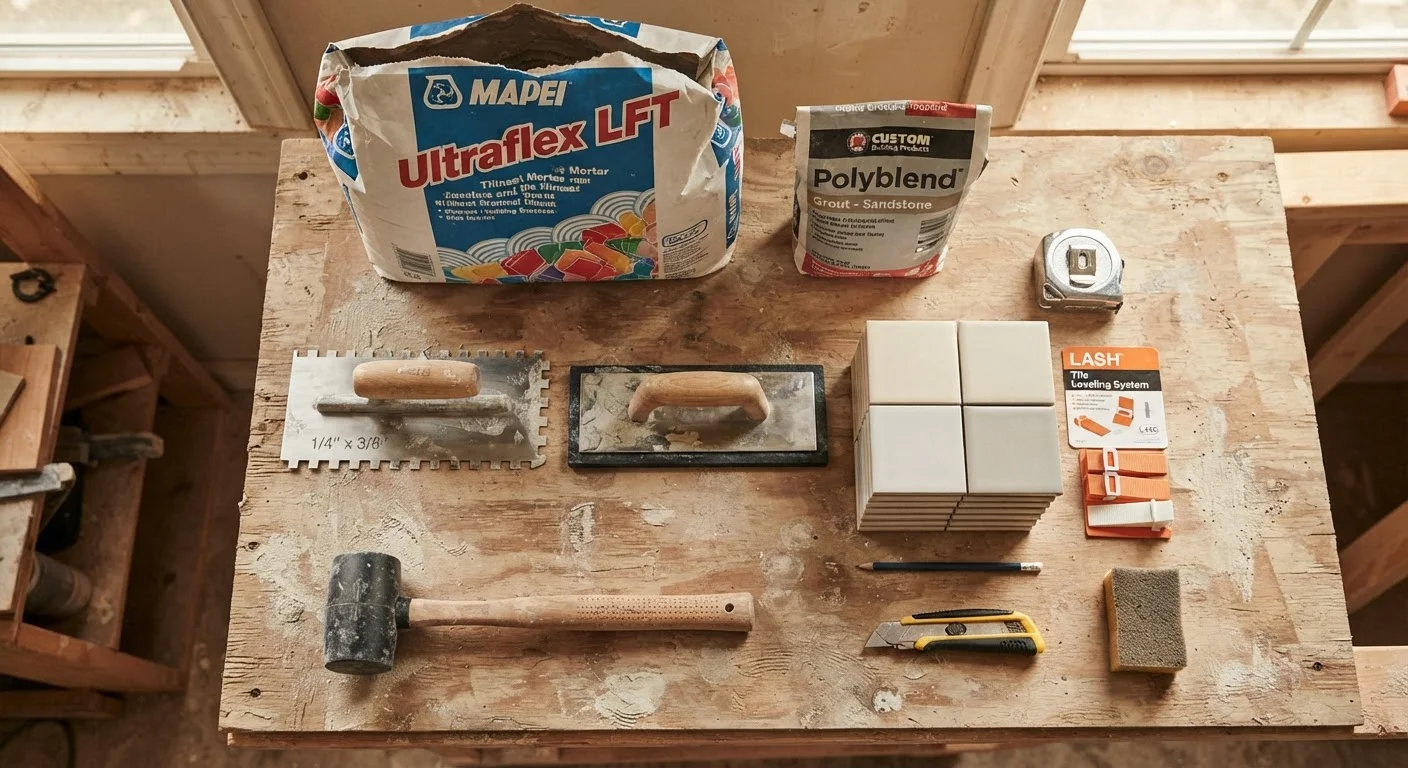
- Basic tile work: Replacing a single cracked tile is a manageable introduction to working with adhesive materials. Our guide to grout, thinset, and mortar terminology can help you decode the vocabulary before you shop.
For a deeper look at which tools make these projects easier, see our guide to the weekend homeowner's toolkit.
Knowing When to Call a Professional
One of the most important home improvement skills isn't a hands-on technique - it's recognizing the boundaries of DIY work. Electrical, gas, structural, and main-line plumbing projects carry real physical risk and are typically regulated by local building codes that require permits and licensed contractors.
Warning signs that a project has moved beyond beginner territory include: work that involves your breaker panel or service entrance, anything touching a gas line, repairs to load-bearing walls or roof framing, and connections to the main water supply. Unpermitted work on these systems can affect your homeowner's insurance and create liability when you eventually sell.
Our dedicated article on when a DIY project needs a licensed professional walks through the specific situations where calling in a qualified tradesperson is the right call - and why permits matter more than most new owners realize.
Building Your Skills Over Time
Home improvement competence is cumulative. Each project you complete - even imperfectly - teaches you something useful for the next one. The key is choosing projects that stretch your skills slightly without putting your home or safety at risk.
A practical progression looks something like this: start with surface repairs and painting, move into basic plumbing like replacing a faucet or toilet fill valve, then work up to flooring installation or more complex carpentry. Keep notes on what worked and what didn't - these observations are more valuable than any tutorial.
If you're also working on organizing your space as you improve it, our article on getting started with home organization pairs well with the improvement mindset: both are about bringing order and function to a space you're still getting to know.
Homeownership rewards patience and curiosity. You don't need to master every trade - you need enough knowledge to maintain your home safely, communicate clearly with contractors, and handle the small stuff yourself with confidence.