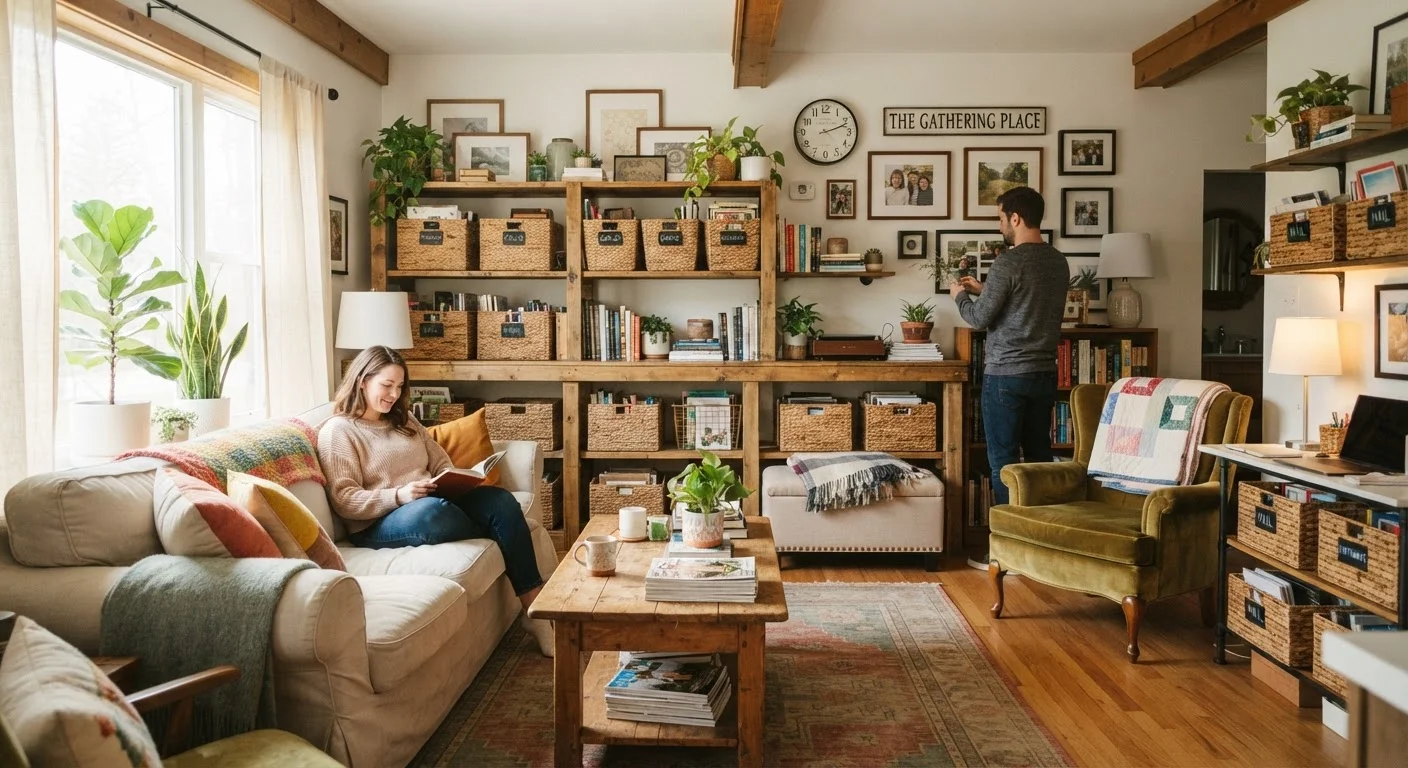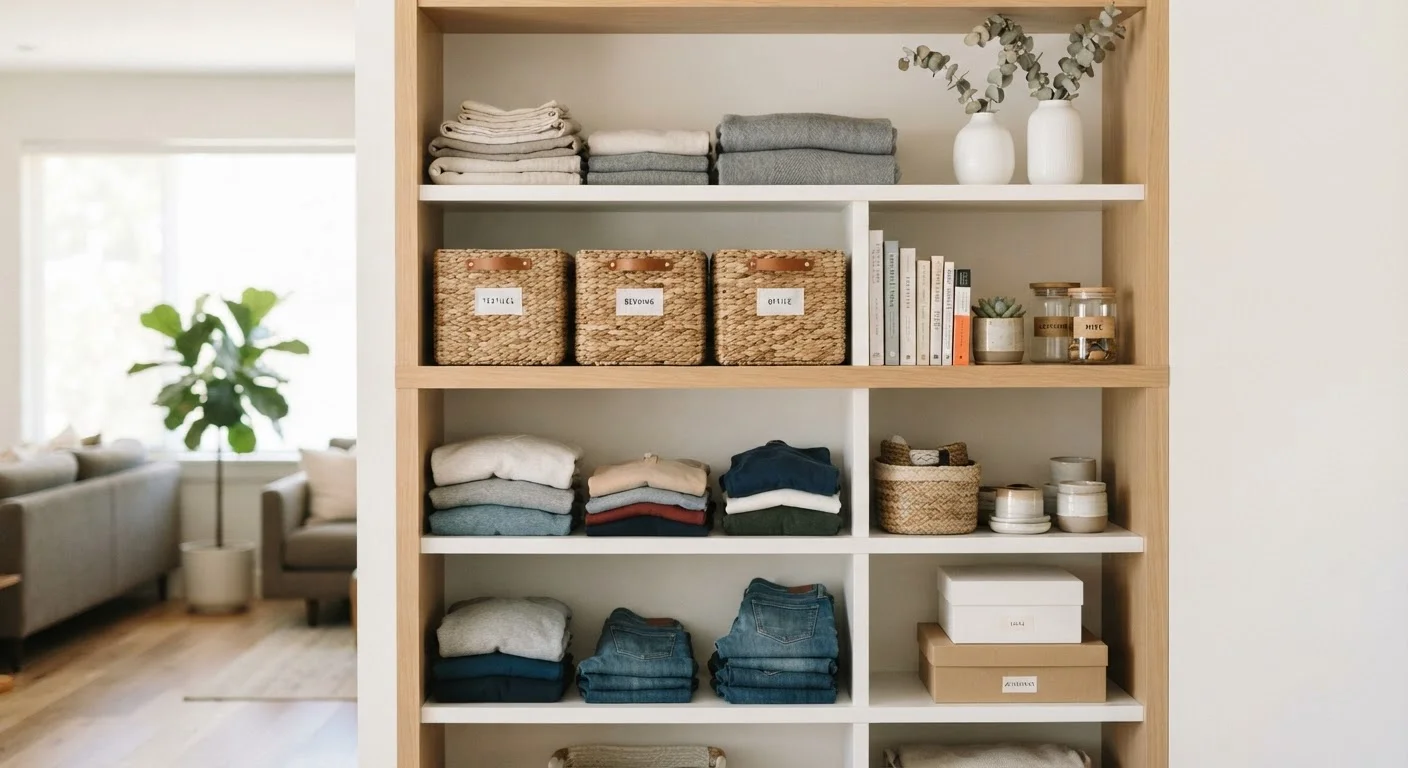
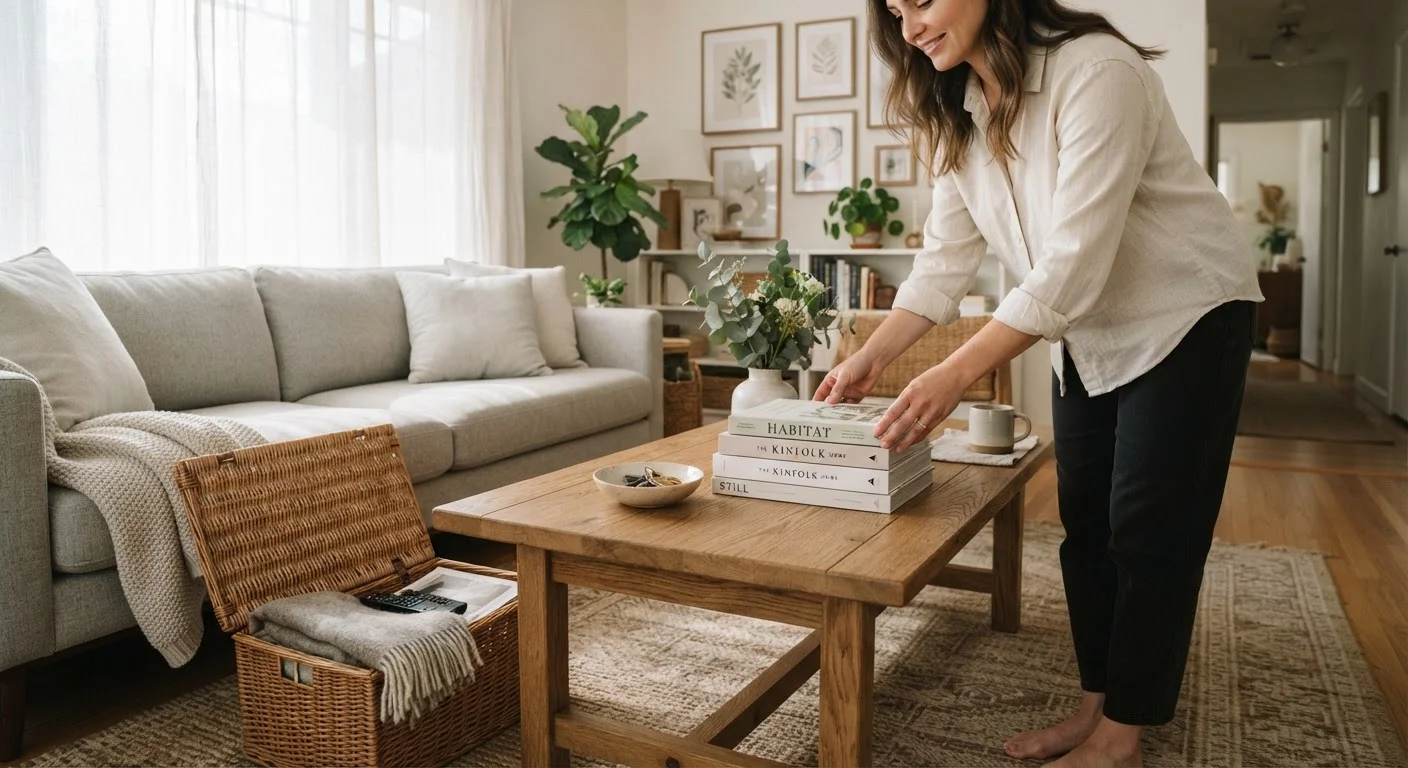
Why Home Organization Feels So Overwhelming
Most people don't struggle with organization because they're lazy or incapable - they struggle because they don't know where to look first. When every room holds a different problem and every problem looks equally urgent, the natural response is to do nothing. That paralysis is normal, and it has a straightforward fix: shrink the scope until it's manageable.
Clutter rarely arrives all at once. It accumulates slowly - a bag left by the door, mail left on the counter, items returned to the wrong shelf. Over time, these small habits compound into a space that feels out of control. Understanding that the mess built gradually means you can reasonably expect to dismantle it gradually too. There's no need for a dramatic weekend overhaul. Progress is still progress, even when it's slow.
Start With What Bothers You Most
If one area of your home causes daily friction - a cluttered entryway, an overflowing junk drawer - that's often the best place to begin. Solving a pain point you encounter every day gives you immediate, tangible relief and keeps motivation high for your next session.
Core Concepts Every Beginner Should Know
Before you move a single item, it helps to understand a few organizing principles that professionals return to again and again. If you're also new to the vocabulary used in organization guides, our plain-language reference for home organization terms is a useful companion.
Decluttering
The process of deciding which items to remove from your home entirely - by donating, discarding, or rehoming them. It always happens before organizing.
One-in, one-out rule
A maintenance habit where every new item brought into the home means removing one existing item. It prevents accumulation from creeping back.
Negative space
Empty or open areas in a room or storage unit. Leaving some negative space makes a system easier to use and visually calmer.
Home (for an item)
The designated spot where a specific object always lives when not in use. Items without a home tend to drift and create clutter.
Maintenance reset
A brief daily or weekly routine - often just five to ten minutes - where items are returned to their homes and surfaces are cleared.
Category sorting
Grouping like items together before deciding where to store them - for example, keeping all batteries in one place rather than scattered across drawers.
The most foundational idea is this: organization should reflect how you actually live, not how you wish you lived. A beautiful system you won't maintain is worse than a modest one you will. Every decision you make about where things live should be rooted in your real daily routines - where you drop your keys, where you sit to take off shoes, where you tend to sort mail.
Your First Organizing Session: Where to Actually Start
Choose one small, self-contained area: a single kitchen drawer, the top of a dresser, or one closet shelf. Avoid whole rooms for your first session. The goal is to complete something, not to make a comprehensive plan.
- Empty the space entirely. Pull everything out so you're working with a blank surface. This forces a deliberate decision about each item rather than letting things stay by default.
- Sort into three groups: keep, donate, discard. Be honest. If you haven't used something in over a year and can't name a specific upcoming use, it's a candidate for donation or disposal.
- Clean the empty space before putting anything back. A fresh surface reinforces the reset.
- Return only what you're keeping, placed intentionally. Items used most often go in the most accessible spots. Less-used items go toward the back or top.
- Find a home for donations immediately. A bag left in the hallway often finds its way back into the house.
Resist the urge to buy new storage before you know exactly what you need. Once you've completed a few sessions, patterns will emerge - and you'll purchase more accurately.
Setting Realistic Expectations
A common frustration for beginners is that an organized space can look cluttered again within days. This doesn't mean you failed - it means you haven't yet established the maintenance habits that keep the system working. Organization is less like a renovation and more like a routine: it requires repetition to stick.
It also helps to accept that some rooms will take multiple sessions. A packed garage or a stuffed basement isn't a half-day project. Approaching these spaces with a multi-session plan - rather than hoping to finish in one go - reduces frustration and increases the chance you'll actually complete the work.
If you share your home with others, their habits and preferences matter too. See our article on organizing homes that work for everyone for practical ways to navigate different tidiness standards without conflict.
Building Toward Whole-Home Organization
Once you've completed a few small areas successfully, you have the skills to scale. The next step is developing a room-by-room rhythm - moving through your home methodically rather than reacting to whatever looks worst on a given day. Our guide on building an organization habit one room at a time explains how to turn those early wins into a lasting practice.
For a broader view of what a fully organized home involves - including storage logic, maintenance routines, and common pitfalls - the whole-home organization framework provides a room-by-room structure you can work through at your own pace.
If you're new to homeownership more broadly, you may also find the home improvement foundation guide useful - understanding your space structurally can inform smarter storage and layout decisions as you organize.
Start small, finish what you start, and build from there. Every organized drawer is genuine progress - and it compounds.