The Real Purpose of DIY Limits
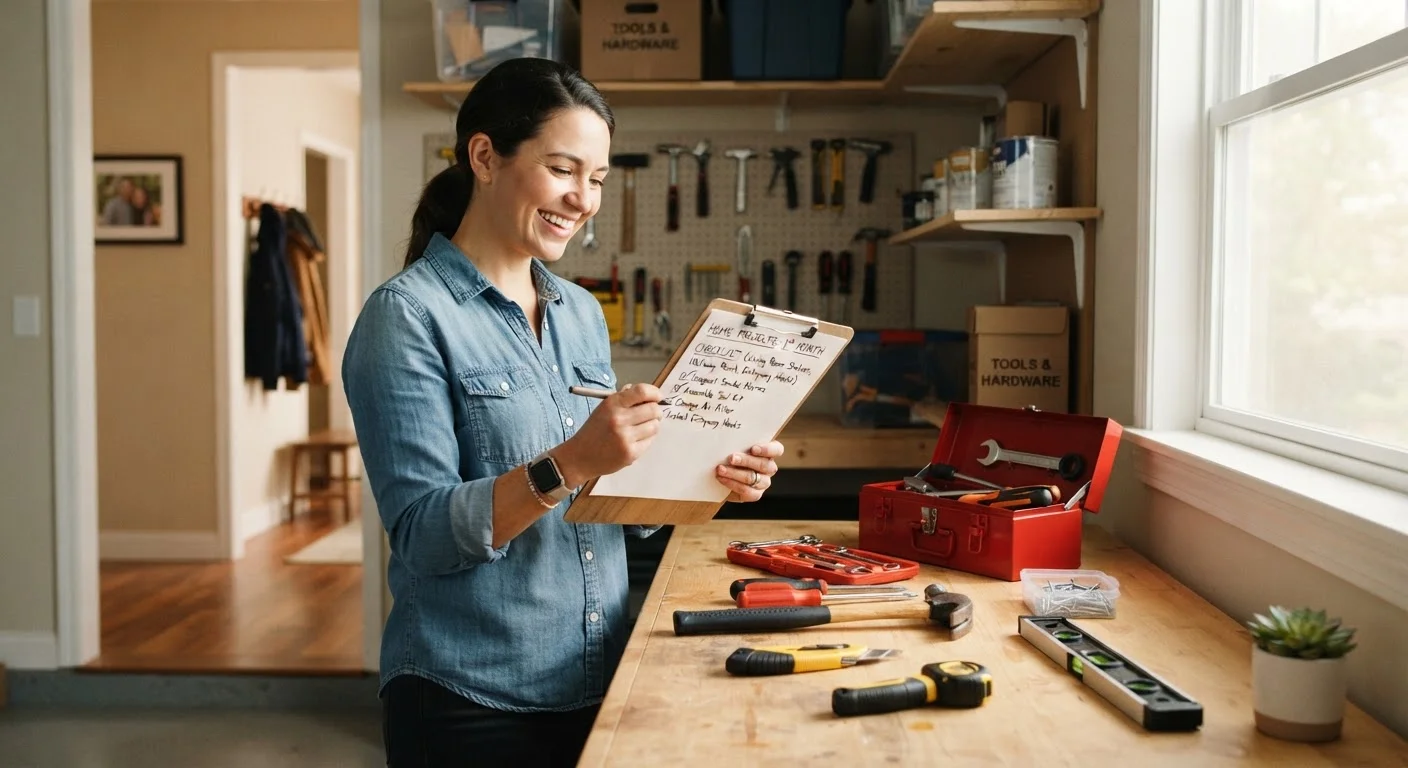
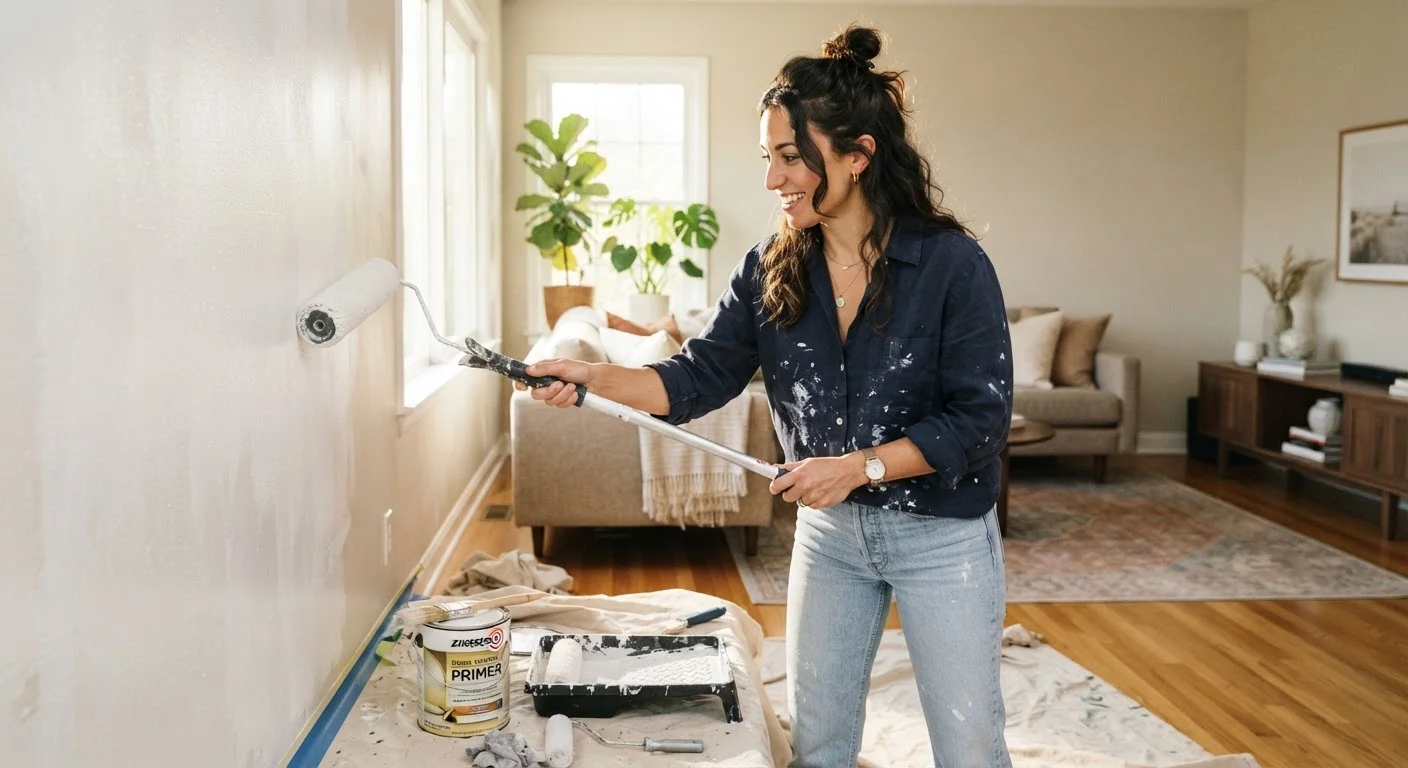
There's real satisfaction in handling your own home repairs, and plenty of projects are genuinely well-suited for a capable homeowner. But some tasks carry consequences - for safety, insurance, and resale value - that make professional involvement not just advisable, but legally required. Understanding where that line falls is one of the most practical skills a homeowner can develop.
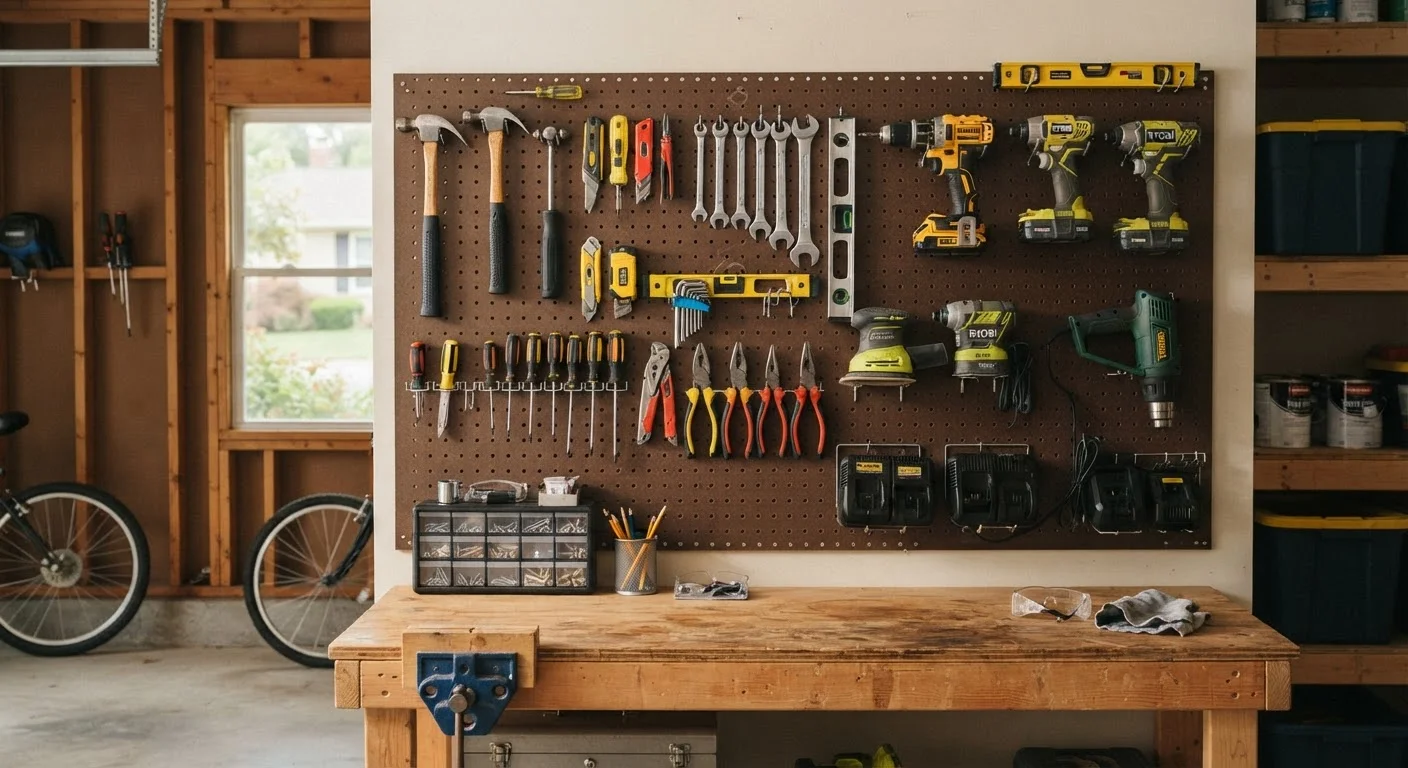
If you're building your general repair confidence, our foundation guide for new homeowners is a useful starting point. And for the tools worth mastering on your own, see The Weekend Homeowner's Toolkit. This article focuses on the other side of that equation: recognizing when a job needs to go to a licensed pro.
Categories That Almost Always Require a Licensed Professional
Certain trade categories are regulated because mistakes in them can cause fires, flooding, structural collapse, or serious illness. In most U.S. jurisdictions, the following work requires both a licensed contractor and a permit:
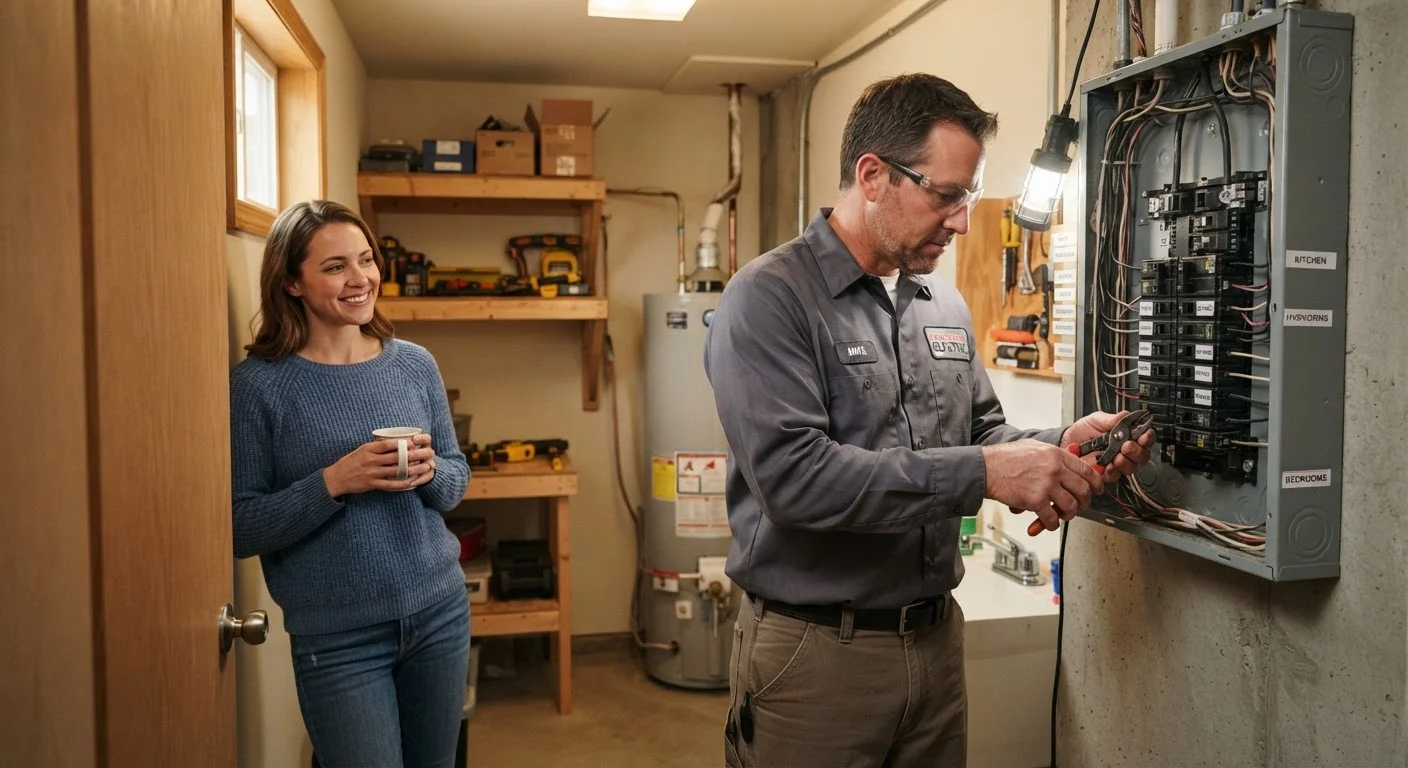
- Electrical: Panel upgrades, new circuit installation, rewiring, and service changes. Faulty wiring is one of the leading causes of residential fires. Even in states where homeowners can pull permits for their own electrical work, panel-level work is widely restricted to licensed electricians.
- Gas lines: Any work on natural gas or propane supply lines - including appliance connections beyond simple hookups - should be handled by a licensed plumber or gas fitter. Gas leaks can be fatal.
- Structural and load-bearing work: Removing or altering walls, modifying roof structures, adding or changing beams, and foundation work all require engineering knowledge and permits. An improperly removed load-bearing wall can cause a partial collapse.
- Plumbing into the main supply or drain: Replacing a faucet or showerhead is typically fine for DIY. Cutting into supply lines, relocating drain stacks, or adding new plumbing branches is a different matter - it requires permits and inspections in most municipalities.
- Roofing: Beyond minor repairs, full roof replacement almost always requires a permit and, in many areas, a licensed contractor. Improper installation voids manufacturer warranties and can affect homeowner's insurance coverage.
- HVAC: Installing or replacing central heating and cooling systems involves refrigerants (which are federally regulated), gas or electrical connections, and ductwork tied to air quality and combustion safety.
Licensing Requirements Vary by Location
There is no single national standard for contractor licensing in the United States. Requirements differ by state, county, and even city. Some states have robust statewide licensing systems; others delegate regulation to municipalities. Before hiring any contractor, verify their license through your state's contractor licensing board website. Your local building department can also confirm what work requires a permit in your specific jurisdiction.
Why Permits Are Your Protection, Not a Burden
Permits exist so that a qualified inspector - not just the contractor - verifies the work meets current safety codes. That third-party check matters more than most homeowners realize. When permitted work passes inspection, you have documentation that your home's systems meet code. That documentation protects you in three specific ways:
- Insurance claims: If a fire or flood stems from unpermitted work, your insurer may deny the claim entirely.
- Home sales: Buyers' inspections routinely uncover unpermitted additions and modifications. Lenders can refuse to finance a home with significant unpermitted work, and you may be required to bring it up to code at your expense before closing.
- Liability: If unpermitted work causes injury to a guest or neighbor, you carry more legal exposure than you would if the work had been inspected and approved.
A reputable licensed contractor handles permit applications as a standard part of the job - it shouldn't require extra pressure from you. If a contractor suggests skipping a permit to save money or time, treat that as a significant warning sign. For a broader look at how common misconceptions lead homeowners into costly mistakes, see Home Improvement Myths That Cost Homeowners Time and Money.
A Simple Test for Any Project
Before starting any project, ask yourself three questions:
- Does this involve electrical wiring, gas lines, structural elements, or plumbing connections to the main supply or drain? If yes, check your local permit requirements immediately.
- Could a mistake here cause fire, flooding, injury, or structural failure? If the honest answer is yes, the project warrants professional involvement regardless of your skill level.
- Would this work affect my insurance coverage or my ability to sell the home? If uncertain, your local building department can clarify permit requirements in a single phone call - and that call is free.
The goal isn't to discourage DIY - it's to help you put your energy into the right projects. The same careful thinking that applies to home trades applies when evaluating repairs in other areas of life; for instance, deciding which car maintenance tasks are worth doing yourself follows a similar logic.
This article provides general home improvement education and is not a substitute for guidance from a licensed contractor or your local building authority. Always verify permit and licensing requirements with the relevant authority in your area before beginning any regulated project.