Why DIY Folklore Spreads - and What It Costs
Home improvement advice passes from neighbor to neighbor, YouTube comment to comment, and generation to generation. Not all of it holds up. When a myth becomes routine practice, homeowners end up redoing work, wasting materials, or - in serious cases - creating safety hazards. The good news is that most of these misconceptions are easy to correct once you know where the logic breaks down.
This article tackles the most persistent home improvement myths, explains the real-world consequences of following them, and gives you a clearer picture of what actually works. For guidance on recognizing when a project moves beyond safe DIY territory, see our guide to knowing when to call a licensed professional.
Myth
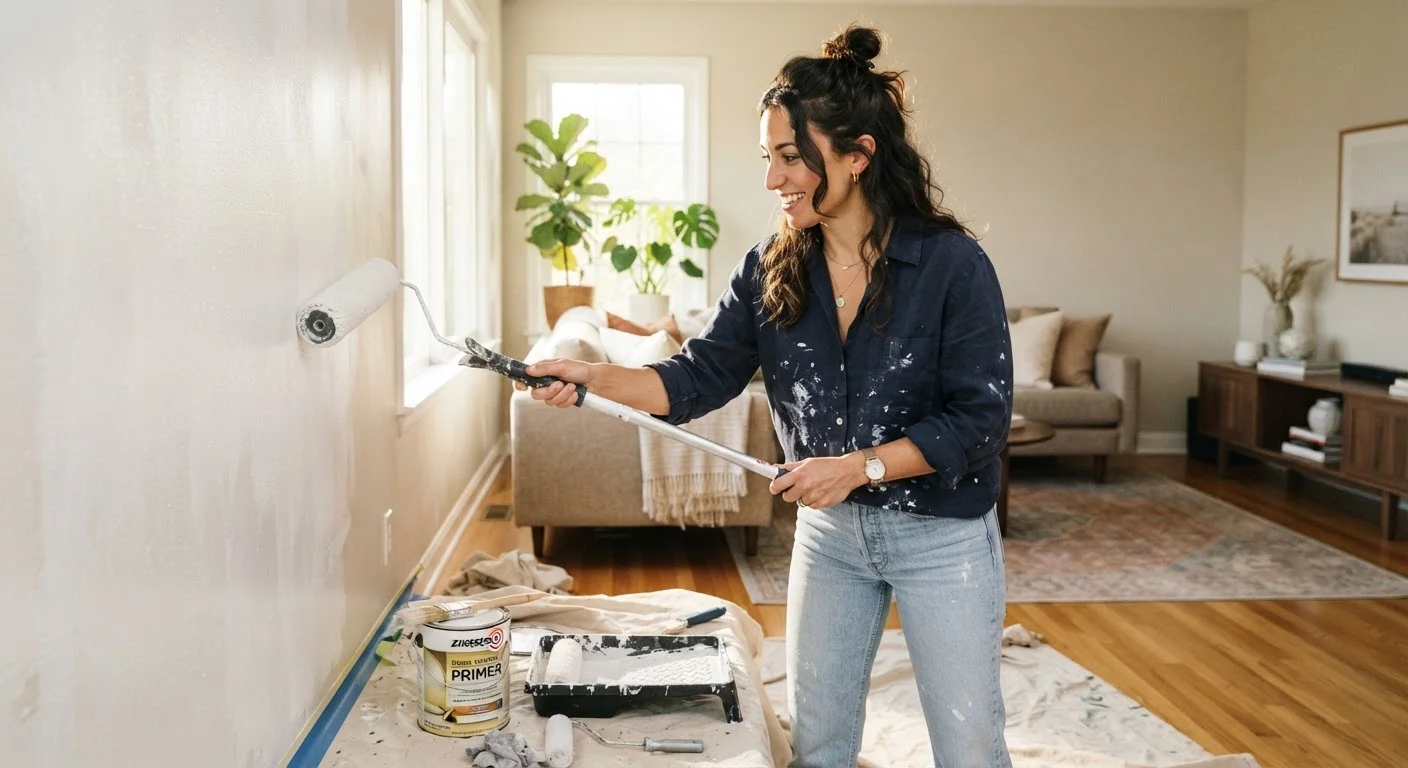
Paint primer is optional if you're using a 'paint and primer in one' product.
Fact
Combination products work adequately on already-painted surfaces in good condition, but bare drywall, patched areas, and stain-prone walls still benefit from a dedicated primer coat.
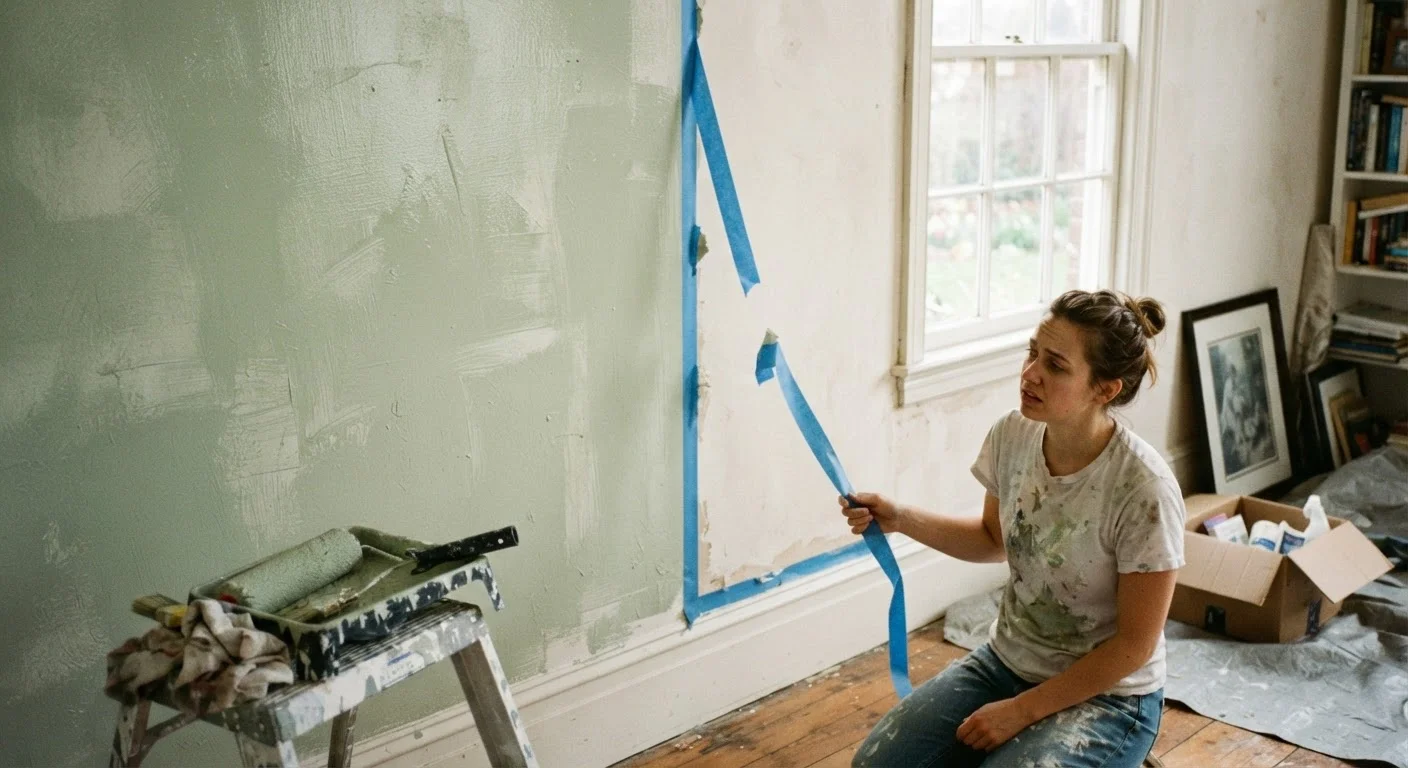
The 'paint and primer in one' label reflects improved paint formulation, not an ability to skip surface preparation entirely. On new drywall, the porous paper facing absorbs paint unevenly, causing a blotchy finish called flashing. Patched spots - even sanded smooth - have different porosity than the surrounding surface. A dedicated primer seals these differences so the topcoat applies uniformly. Skipping it typically means applying extra topcoat layers to compensate, costing more time and paint than the primer would have.
Myth
Bleach kills mold completely and prevents it from coming back.
Fact
Bleach is effective on non-porous surfaces like tile, but on porous materials such as drywall, grout, and wood, it cannot penetrate deeply enough to reach mold roots.
Bleach is mostly water, and on porous surfaces that water can actually carry surface mold spores deeper into the material. The chlorine evaporates quickly, leaving moisture behind - sometimes worsening the problem. Professional mold remediation guidelines generally recommend physical removal of contaminated porous material combined with addressing the underlying moisture source. If mold covers a large area or is located near HVAC systems, consulting a qualified remediation professional is advisable.
Myth
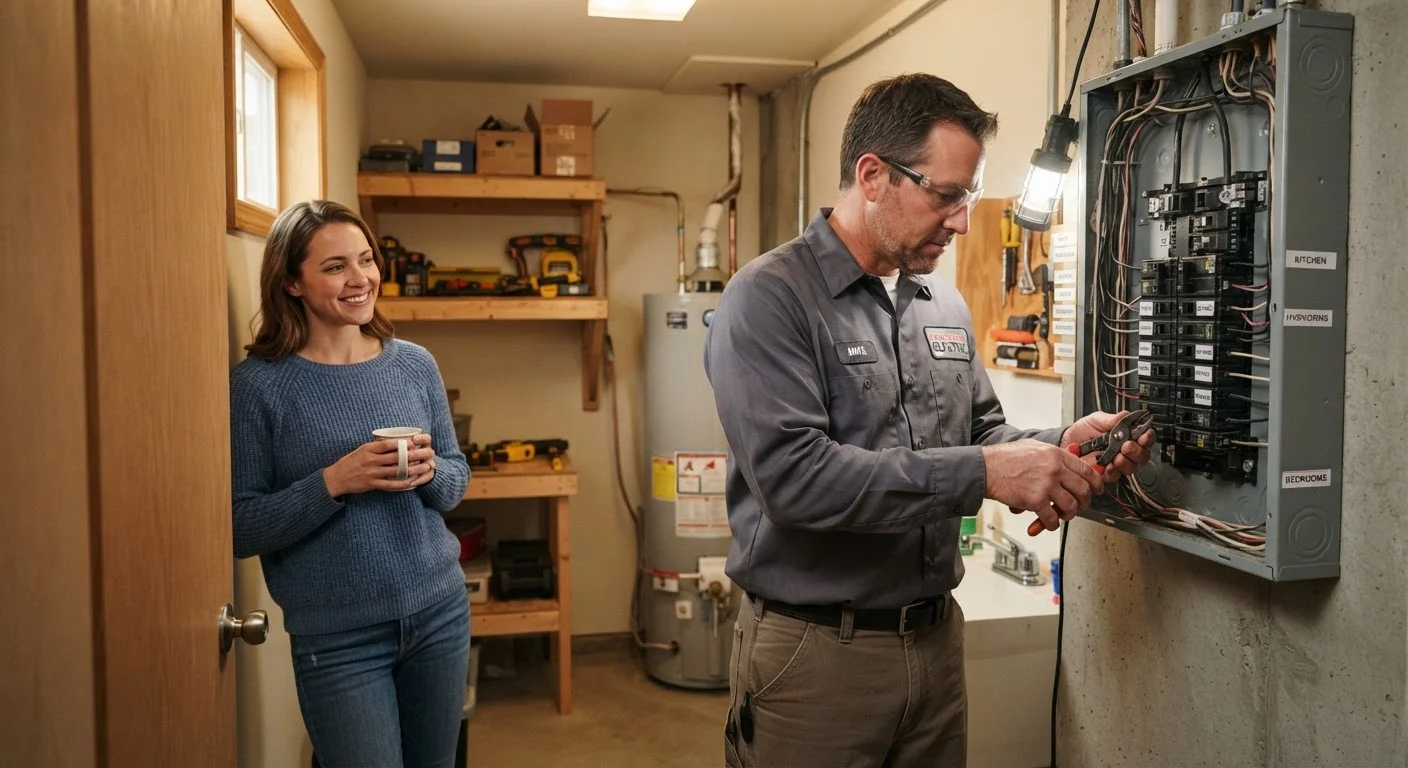
You don't need a permit for small interior jobs - permits are just for major renovations.
Fact
Permit requirements vary by jurisdiction, but many localities require permits for electrical work, plumbing changes, window replacements, and even certain structural repairs regardless of scale.
Permit thresholds are set by local building codes, not by the homeowner's perception of a project's size. Unpermitted work can create serious problems: some home insurance policies limit coverage for damage caused by unpermitted modifications, and buyers' lenders occasionally require unpermitted work to be permitted or removed before closing a sale. The permit process also triggers inspections that catch errors before they become hazards. Always check with your local building department before starting any work that touches electrical, plumbing, gas, or structural systems.
Myth
Expanding foam spray can seal any gap - it's a universal fixer for drafts and leaks.
Fact
Expanding foam is excellent for irregular gaps around pipes and framing, but it is not appropriate for gaps that require fire-rated materials, moving joints, or areas exposed to weather and UV light.
Standard expanding foam is flammable and degrades when exposed to sunlight. Using it around recessed lighting penetrations or in fire-separation assemblies can violate code and pose a safety risk. Gaps around windows and door frames that flex seasonally require a flexible, paintable caulk, not rigid foam. And exterior gaps exposed to UV need a product rated for outdoor use. Using the wrong sealant in the wrong location often means redoing the work within a season or two - and sometimes remedying a code violation.
Myth
Grout sealing is a one-time job after installation.
Fact
Grout sealer wears away over time and typically needs reapplication every one to three years depending on traffic, cleaning products used, and exposure to moisture.
Unsealed or poorly sealed grout is porous and absorbs water, soap residue, and biological material. This leads to staining, mold growth, and eventual crumbling as freeze-thaw cycles or moisture expansion stress the grout. A simple water-bead test - drop a few drops of water on the grout line - tells you whether the sealer is still working. If the water absorbs rather than beads, it's time to reapply. This is a straightforward maintenance task that prevents far more costly re-grouting or tile replacement later.
Where These Myths Do the Most Damage
The myths above cluster around a few key areas: surface preparation, moisture control, and scope of work. Surface prep - priming, cleaning, patching - is the phase most skippers regret. It's invisible once the job is done, which makes it tempting to rush. But coating adhesion, finish durability, and mold prevention all depend heavily on what happens before the first visible layer goes on.
33%
DIY projects that require professional correction
Industry estimates suggest roughly one in three DIY home improvement projects involves at least one error that later requires professional remediation, according to trade industry surveys.
2-3×
Cost multiplier for unpermitted repair discovery at sale
Real estate professionals frequently report that unpermitted work discovered during a home sale can cost two to three times the original permit fee to resolve, due to inspection, correction, and re-permitting requirements.
Moisture myths are particularly costly. Homeowners who treat mold with bleach on drywall or grout and call it resolved often see regrowth within weeks. The underlying moisture source - a slow leak, inadequate ventilation, or failed caulk - rarely fixes itself.
Finally, scope-of-work myths convince homeowners that permitted, licensed-trade work is optional bureaucracy. In reality, unpermitted electrical or plumbing work can void homeowner's insurance, complicate a home sale, and create genuine safety risks. Interior painting failures often trace back to skipped prep steps - a deeper look at those patterns is available in our guide to interior paint jobs that go wrong.
Correcting these habits doesn't require professional expertise for every project - it requires accurate information from the start. Myth-busting is one of the most practical tools a homeowner has.