
Why Extreme Frugality Usually Backfires
Most budgeting advice tells you to cut everything "unnecessary" - the streaming service, the takeout, the occasional night out. The logic sounds sensible, but the behavioral reality is more complicated. Research in consumer psychology consistently shows that overly restrictive budgets lead to what economists call "budget fatigue," where the mental effort of saying no to everything eventually causes people to abandon their plan entirely.
A more durable approach separates your spending into categories that genuinely move the needle and categories where small cuts add up over time - without stripping out what makes daily life enjoyable. If you haven't yet mapped out where your money actually goes each month, the step-by-step guide to building your first budget is a practical starting point before working through the steps below.
The goal here isn't austerity. It's finding the spending leaks that don't actually improve your quality of life, and redirecting that money toward something that matters more.
What You'll Need Before You Start
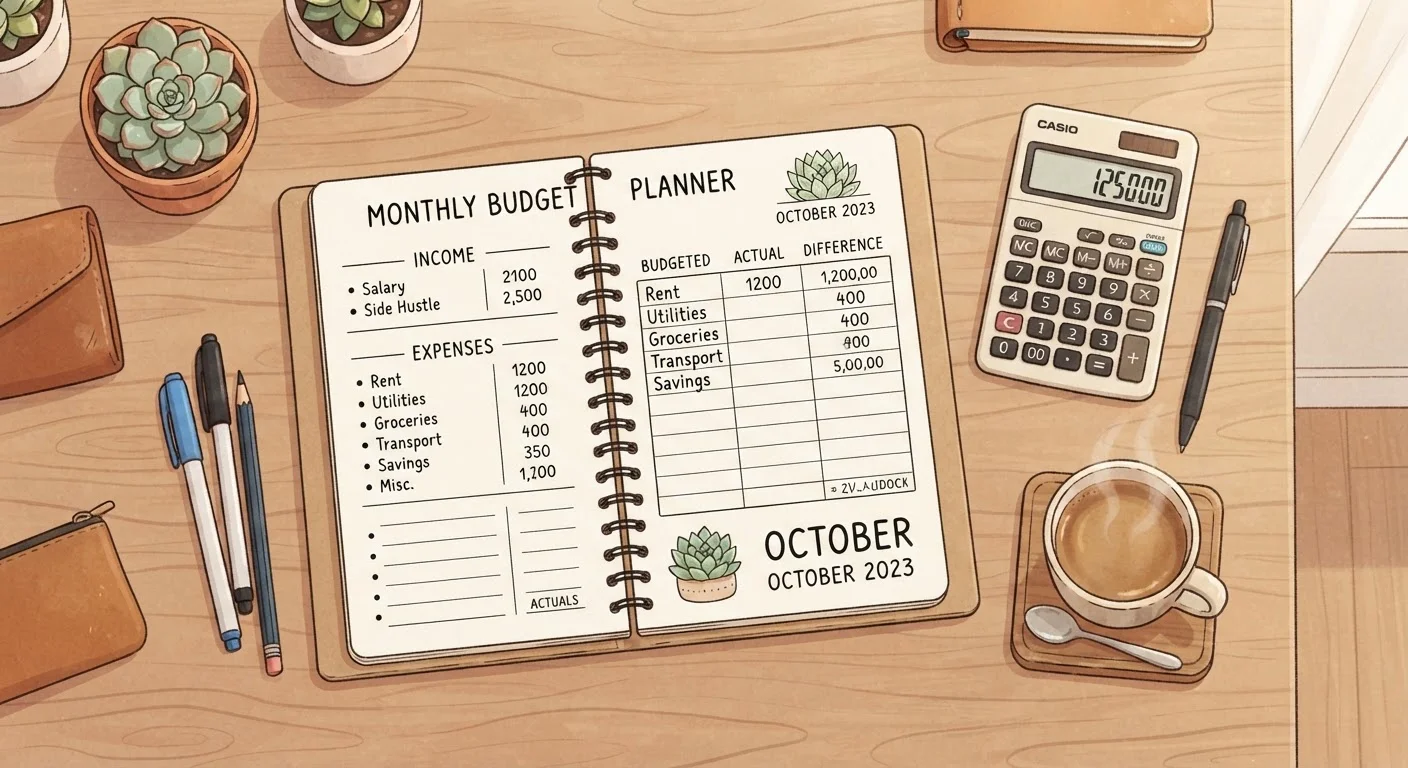
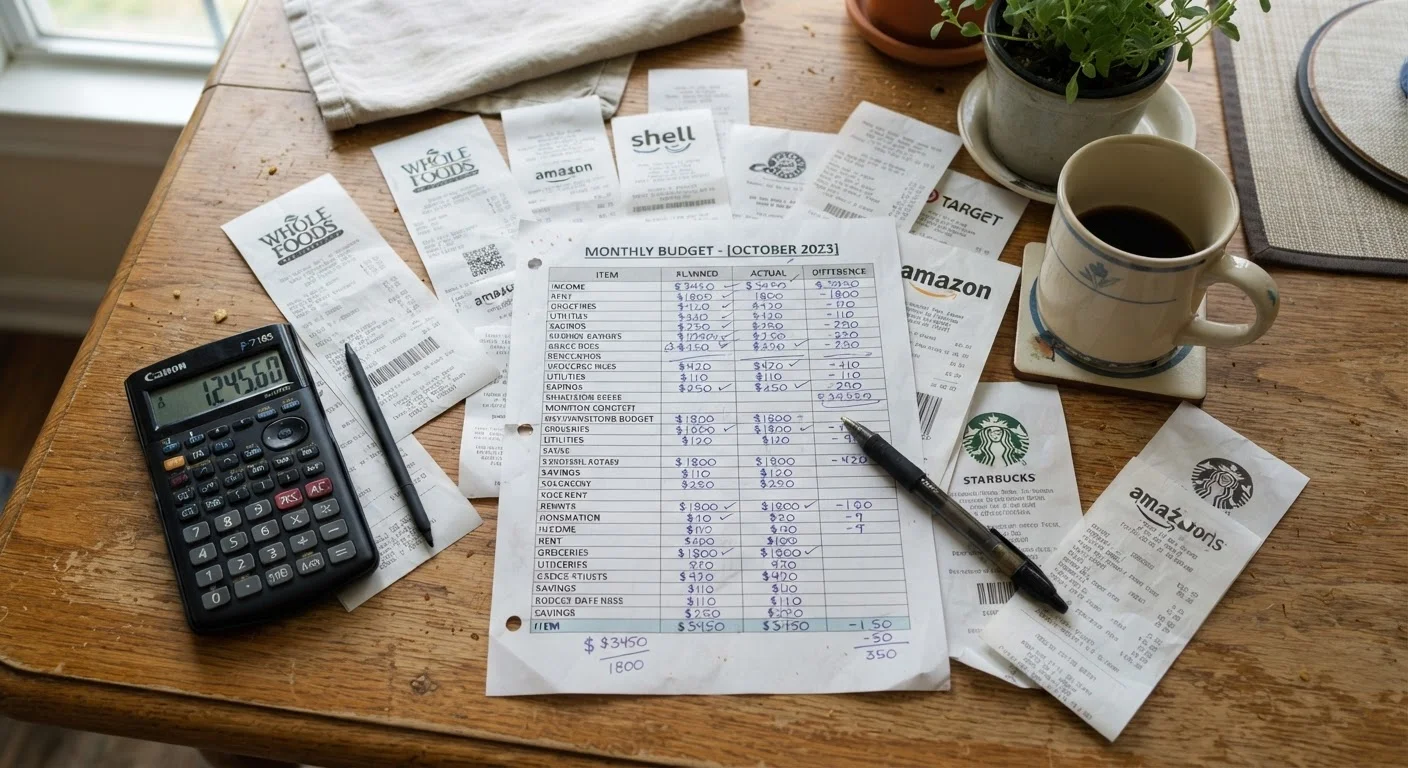
Before adjusting a single dollar, gather the following:
What you will need
Once you have a clear picture of your current cash flow, the steps below will be far more effective. You may also want to review spending categories most budgets underestimate - these overlooked line items are where many tight budgets quietly lose ground.
Step-by-Step: Building a Budget That Saves Without Sacrificing
Work through these steps in order. Each one builds on the last. Even completing the first three will put most readers in a noticeably stronger position within one month.
Calculate your true take-home income
Start with what actually lands in your bank account each month - not your gross salary. If your income varies (hourly work, gig income, tips), average your last three months of deposits. Use the lowest month as your planning baseline to avoid overestimating what you have available.
List every fixed expense in writing
Fixed expenses are bills that arrive in roughly the same amount each month: rent, car payment, insurance premiums, minimum debt payments, phone plan, and any active subscriptions. Write out every one, along with its due date and amount. Many people are surprised to find subscriptions they had forgotten.
For car-related costs, remember that ongoing maintenance is a real line item. Deferring it can cost more later - see maintenance shortcuts that shorten a car's life for context on which skips are riskiest.
Identify your three largest variable spending categories
Variable expenses - groceries, dining, gas, personal care, entertainment - are where most budget flexibility lives. Pull your statements and total up what you actually spent in each category over the past two months. Focus on the three largest variable categories first, since those offer the most room for meaningful adjustment without wholesale deprivation.
Apply targeted reductions, not across-the-board cuts
Rather than cutting everything by 10%, choose one or two specific behaviors to change within your highest-spend variable categories. For example: cooking at home four nights per week instead of two, or switching from a premium grocery store to a standard one for pantry staples. The foundational strategies for eating well on a tight budget can help make grocery reductions without sacrificing nutrition.
Meanwhile, protect one or two discretionary spending categories that genuinely matter to you. A budget with no enjoyment built in is a budget with an expiration date.
Build a simple sinking fund for irregular expenses
Irregular expenses - car repairs, medical copays, holiday gifts, annual fees - consistently derail tight budgets because they're easy to forget when planning month to month. A sinking fund solves this by setting aside a small amount each month toward these predictable-but-infrequent costs. Add up your best estimate of annual irregular expenses, divide by 12, and transfer that amount to a separate savings account each payday.
For more on how this works in practice, see sinking funds as a planning tool.
Automate a small, consistent savings transfer
Set up an automatic transfer - even $25 or $50 per paycheck - to a savings account timed to coincide with your payday. Consistency matters more than the amount in the early stages. Once the transfer is automatic, the savings happen before spending decisions enter the picture. Scale the amount upward as your budget stabilizes.
Consider how this fits into your short-term versus long-term savings strategy - the two require different account structures and timelines.
This article is for general informational and educational purposes only and does not constitute personalized financial, tax, or investment advice. Consult a qualified financial professional before making significant changes to your financial situation.
Keeping the Habit Going
Saving on a tight budget is less about one-time cuts and more about building recurring habits that don't require constant willpower. Automation is the most reliable tool available: when savings move before you can spend them, the decision is already made. See a balanced look at the trade-offs of automating your savings before setting up recurring transfers.
For the behavioral side - why budgets often stall after a few weeks - building a budgeting habit that actually sticks offers evidence-informed strategies that go beyond the math. And if your savings balance barely moves despite your efforts, why your savings never seem to grow identifies the most common fixable causes.
The framework here is meant to flex with real life - income changes, unexpected expenses, and shifting priorities. Revisit your numbers every few months rather than treating any budget as permanent.