Why Budgets Miss the Mark
Most people who build a budget focus on the obvious: rent or mortgage, groceries, utilities, and car payments. These are easy to account for because they show up on time, every month, at roughly the same amount. The problem is that household spending doesn't actually work that way.
A significant portion of real-world expenses is irregular - they arrive quarterly, annually, or unpredictably. When those costs hit and there's no room in the budget, the result is either debt, a depleted savings account, or stress. If you're building your first real budget, understanding these gaps from the start can save you from the cycle of abandoning a plan that seemed to work until it didn't.
The categories below are the ones that consistently catch people off guard. Reviewing your last three to six months of bank and credit card statements before reading is a useful exercise - you may recognize several of them immediately.
Vehicle Maintenance and Repairs
Most car owners budget for their monthly payment, insurance, and fuel - but routine maintenance and unexpected repairs rarely make the list. Oil changes, tire rotations, new brakes, registration renewals, and the occasional breakdown can easily add up to $1,000 or more per year for a single vehicle, depending on its age and condition.
The American Automobile Association (AAA) has consistently reported that vehicle ownership costs beyond the car payment are among the most underestimated household expenses. Setting aside a fixed monthly amount for car-related costs - even a modest one - reduces the financial shock when those expenses inevitably arrive. For more context on managing these costs, see car ownership resources.
Routine vehicle maintenance costs often exceed $1,000 annually, yet rarely appear in household budgets.
Healthcare Out-of-Pocket Costs
Having health insurance doesn't mean healthcare is free. Copays, deductibles, prescription costs, dental visits, vision care, and over-the-counter medications all come out of pocket and add up quickly. Many households budget only their insurance premium and are then caught off-guard when they reach their deductible or need an unexpected procedure.
The Consumer Financial Protection Bureau (CFPB) has noted that medical debt is one of the most common forms of household financial strain in the United States. Estimating your likely out-of-pocket costs based on prior years' spending - and building that figure into your monthly budget - can reduce both financial and personal stress.
Insurance premiums are just one piece; deductibles and copays regularly surprise households mid-year.
Subscriptions and Memberships
Streaming services, fitness apps, cloud storage, software tools, news sites, and gym memberships are easy to sign up for and easy to forget. Because most are billed monthly at low individual price points - often $5 to $20 - they rarely feel significant in the moment. Collectively, they can represent $100 or more per month for households that haven't audited them recently.
This category tends to grow silently: a free trial converts to a paid plan, a discounted annual rate auto-renews at full price, or a service is kept out of habit rather than use. Reviewing these charges at least annually - and during a monthly budget reset - is one of the most efficient ways to reclaim spending room without major lifestyle changes.
Small monthly subscriptions often total over $100 per month when reviewed together as a category.
Gifts and Social Spending
Birthdays, holidays, weddings, baby showers, and work celebrations create real and recurring costs that most budgets treat as surprises. Gift-giving alone - when spread across a full year - is a meaningful expense for the average household. The National Retail Federation has reported that Americans spend several hundred dollars on winter holidays alone, with additional spending on Valentine's Day, Mother's Day, and other occasions.
Building a dedicated gift budget - even a rough one - and spreading the cost across the year prevents a single month from taking an outsized hit. Social spending like dining out for celebrations or contributing to group experiences belongs in the same category.
Holiday and gift spending surprises budgets every year despite being entirely predictable in advance.
Home Maintenance and Repairs
Renters often overlook that landlords handle major repairs - but homeowners carry those costs directly. Even renters, however, spend on items like cleaning supplies, small furnishings, light bulbs, and renter's insurance. For homeowners, the general rule of thumb among financial planners is to budget roughly 1% of the home's value per year for maintenance, though actual costs vary widely based on home age and condition.
Seasonal costs like HVAC servicing, gutter cleaning, or weatherproofing tend to arrive predictably but still catch households unprepared. Including a monthly maintenance reserve in your budget - rather than funding repairs reactively - smooths out these costs considerably.
Homeowners who skip a maintenance reserve often fund repairs with credit cards or emergency savings.
Personal Care Beyond the Basics
Haircuts, salon visits, grooming products, toiletries, and personal care items are easy to underestimate because they feel small individually. However, when tracked across a full year, personal care spending is often two to three times what people estimate. This category expands further when it includes skincare, contacts or glasses, or specialized grooming needs.
For households trying to save money on a tight budget, personal care is often a target for cuts - but setting a realistic figure first helps distinguish necessary spending from discretionary choices, which is a more sustainable approach than blanket elimination.
Personal care spending tracked annually often surprises households with its cumulative size.
Annual or Irregular Bill Payments
Some bills arrive once or twice a year rather than monthly - property taxes (sometimes escrowed, sometimes not), car registration, professional license renewals, annual insurance premiums, and tax preparation fees are common examples. When these aren't converted into a monthly savings habit, they create sudden shortfalls.
The fix is simple: total all irregular annual bills, divide by 12, and treat that figure as a fixed monthly expense in your budget. If you're comparing approaches for structuring your plan, resources on zero-based versus percentage-based budgeting can help you find a framework that accommodates irregular expenses naturally.
Annual bills converted to a monthly savings line prevent large, predictable expenses from becoming crises.
How to Close the Gap
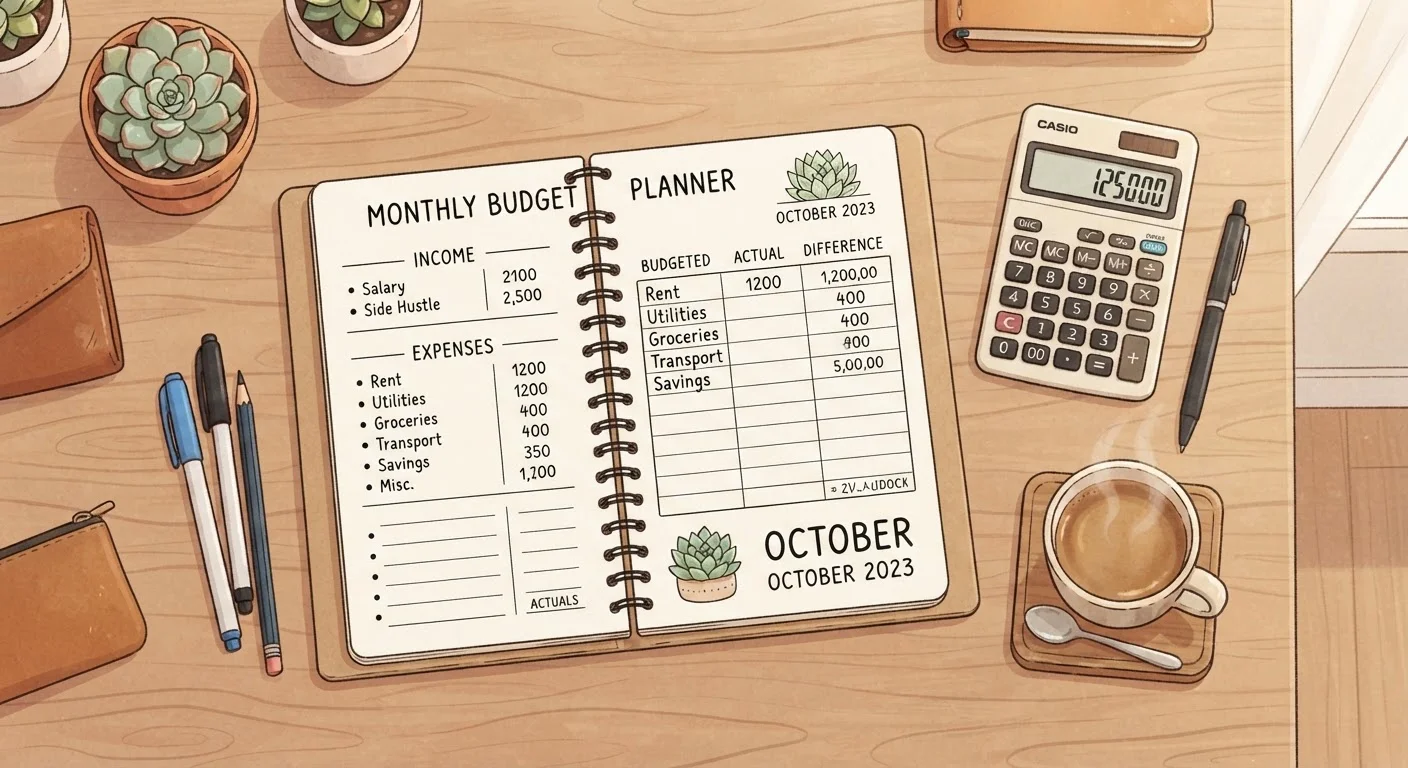
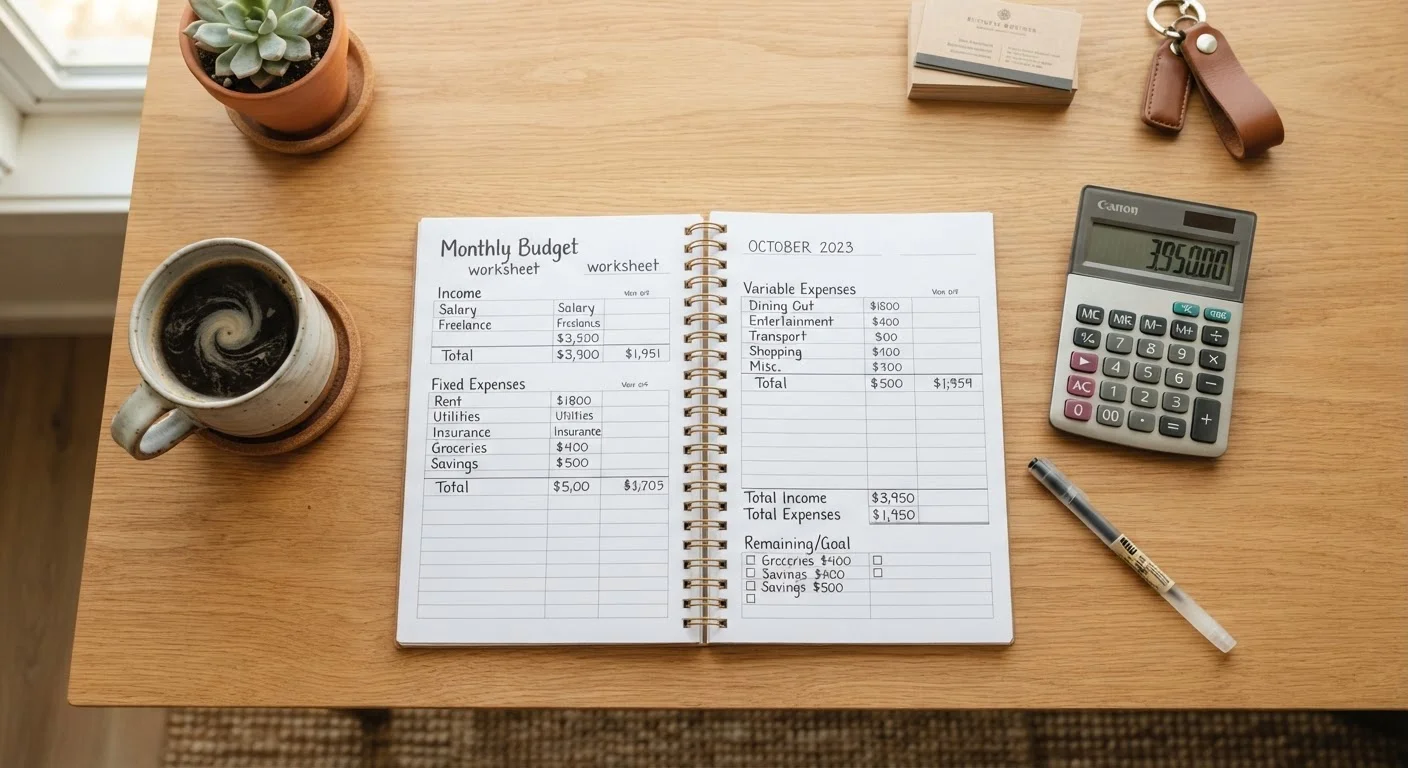
The goal isn't to build a perfect budget - it's to build one that survives contact with reality. Once you've identified the categories your current plan is missing, the fix is straightforward: estimate an annual total for each, divide by 12, and add that monthly figure as a dedicated line item. This approach, sometimes called a sinking fund, ensures the money is set aside before the expense arrives.
Start With a Statement Audit
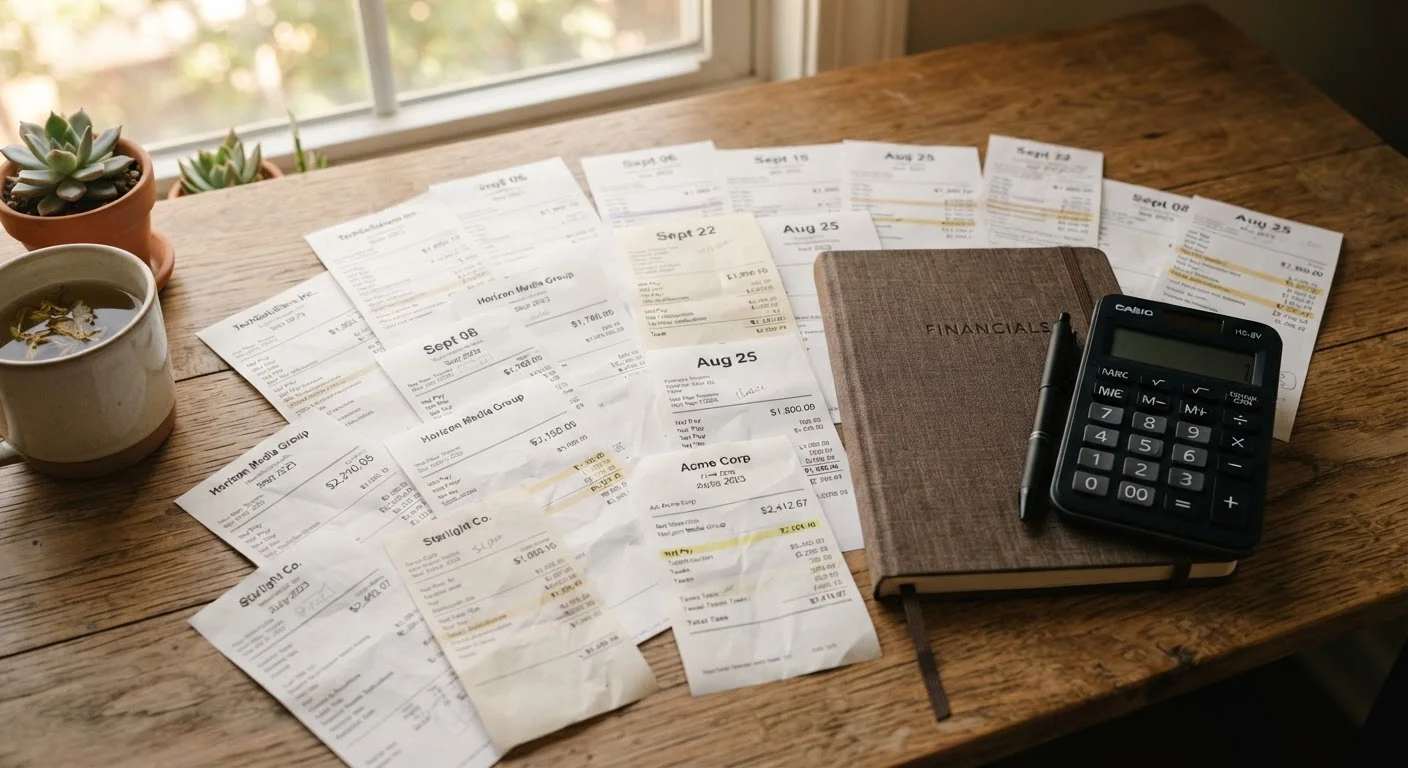
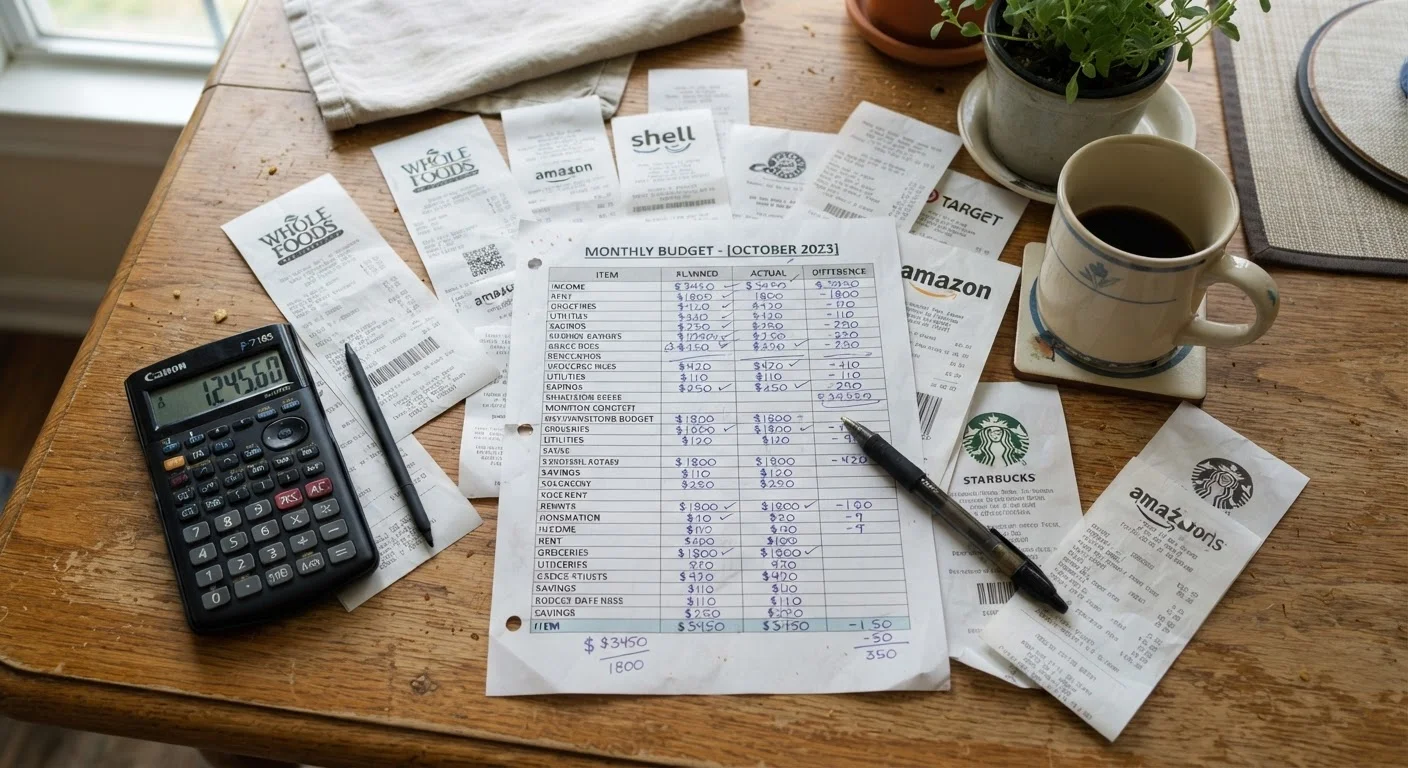
Before adjusting your budget categories, pull three to six months of bank and credit card statements and tag every transaction by category. This exercise almost always surfaces spending areas that weren't in the original plan - especially subscriptions, personal care, and irregular bills. It takes roughly an hour and provides far more accurate baseline numbers than estimates alone.
A monthly budget review checklist is one of the most practical tools for spotting these gaps over time. Patterns that aren't visible after one month become obvious after three. If you find that your income varies, budgeting on an irregular income requires a slightly different approach to absorb the same category surprises.
This article is for general informational and educational purposes only and does not constitute personalized financial advice. Consult a qualified financial professional for guidance specific to your situation.