How Market Type Shapes the Rules of the Game
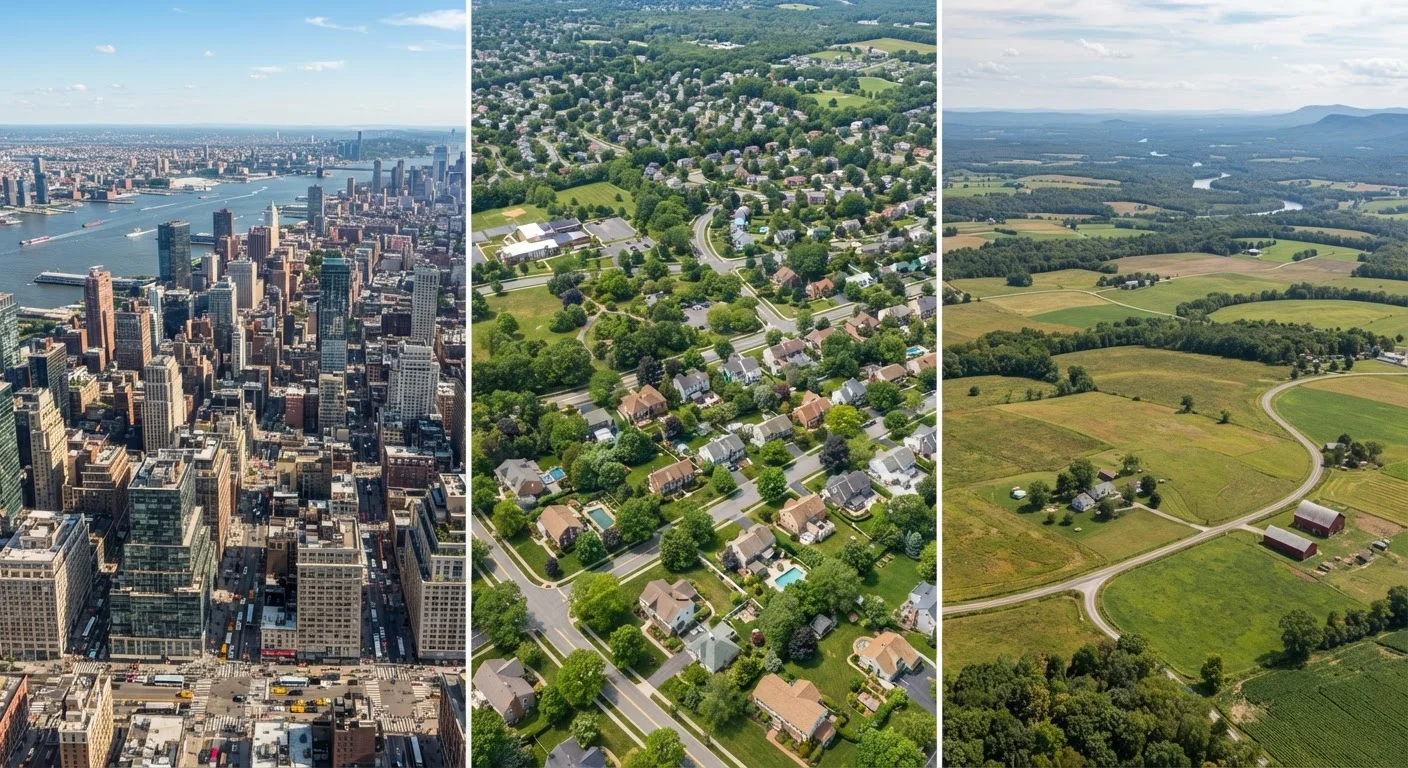
When national headlines report that home prices rose or fell, that figure masks enormous variation between cities, suburbs, and the countryside. Urban, suburban, and rural housing markets are governed by different supply dynamics, buyer pools, employment anchors, and financing environments. Understanding those structural differences is foundational for anyone evaluating where - and whether - to buy or rent.
Local jobs, migration patterns, and zoning laws are among the most powerful forces shaping price behavior at the local level. That context matters even before you look at a single listing.
| Urban | Suburban | Rural | |
|---|---|---|---|
| Typical entry price | Highest price-per-sq-ft | Mid-range, rising in many metros | Lowest nominal prices |
| Inventory availability | Scarce; high turnover | Reduced; competitive in most areas | Limited comparables; slow turnover |
| Days on market | Very short in core neighborhoods | Short to moderate; varies by metro ring | Often longer; buyer pool is narrower |
| Financing complexity | Standard; condo rules may apply | Generally straightforward | Higher; appraisal and loan-type challenges |
| Rental demand strength | Strong; deep renter pool | Moderate; growing in some corridors | Weak to moderate; thin rental market |
| Appreciation drivers | Employment concentration, density | School districts, commute access | Land values, remote work migration |
| Resale liquidity | High; broad buyer pool | Moderate to high | Lower; fewer qualified buyers |
Urban Markets: High Density, High Stakes
Urban housing markets - concentrated in city cores - are defined by land scarcity, zoning complexity, and persistent rental demand. Price-per-square-foot is typically the highest of the three market types because developable land is finite, and new supply is constrained by height restrictions, parking requirements, and lengthy permitting timelines.
Demand in urban markets is closely tied to employer concentration. When a major employer downsizes or relocates, urban vacancy rates can spike rapidly - a dynamic suburban and rural markets experience more gradually. Conversely, urban markets often recover faster when job growth returns because they attract younger workers, immigrants, and industries that cluster in dense environments.
Rental markets in cities are generally deep and competitive, which benefits investors but puts pressure on prospective buyers who are simultaneously paying rent while saving for a down payment. Days on market in high-demand urban cores can be extremely short, sometimes measured in hours for well-priced units. For a closer look at what data signals to track, see the indicators economists actually watch in a housing market.
Suburban Markets: The Demand Shift and Its Consequences
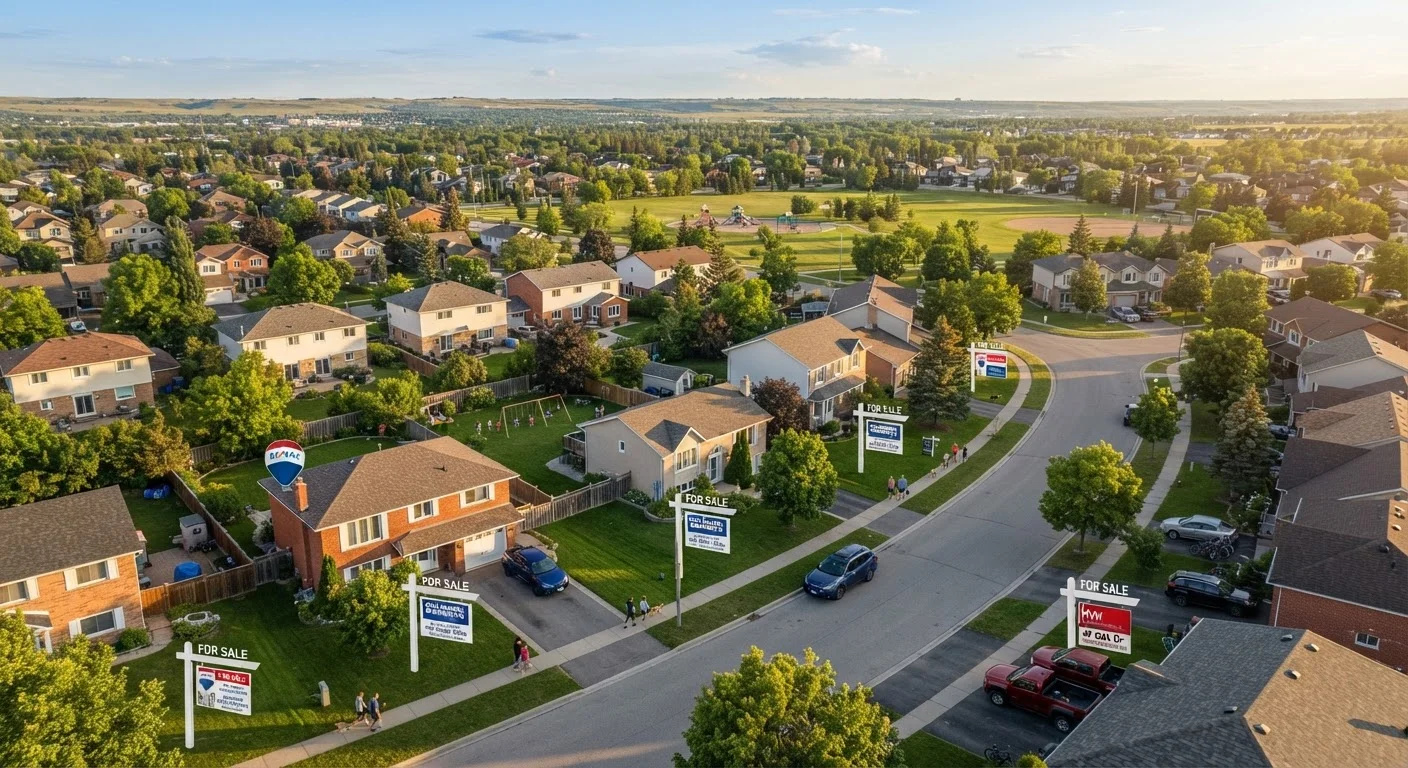
Suburban housing markets - typically the rings surrounding major metros - have undergone a pronounced structural shift in recent years, driven by the normalization of remote and hybrid work arrangements. As commute flexibility increased, buyers who previously required proximity to urban employment centers began prioritizing square footage, yard space, school district quality, and lower tax burdens available in suburban areas.
This demand wave reduced suburban inventory substantially in many metros. Bidding wars, waived contingencies, and above-ask offers - once associated primarily with urban cores - became common in suburbs that had historically been more buyer-friendly. Understanding whether you're entering a buyer's or seller's market is especially important in suburban environments, where conditions can shift dramatically between adjacent zip codes.
Suburban markets also present transportation considerations that urban buyers rarely face. Car ownership costs, insurance rates, and commuting expenses become relevant parts of the total cost-of-living equation when weighing suburban versus urban housing.
Rural Markets: Affordability With Distinct Trade-Offs
Rural housing markets offer the lowest median prices of the three categories, often dramatically so. However, affordability is only part of the picture. Buyers entering rural markets face a distinct set of structural challenges that can affect both the purchasing process and long-term resale potential.
Financing is one of the most significant hurdles. Appraisals in rural areas are constrained by limited comparable sales data, and lenders may apply stricter loan-to-value ratios on properties they view as harder to resell. Certain rural properties - particularly those with large acreage, agricultural zoning, or well-and-septic infrastructure - may not qualify for conventional financing at all, requiring USDA loans or portfolio products with different terms.
Liquidity risk is also higher in rural markets. A property that attracts multiple offers in a suburban setting may sit for months in a rural one, limiting a homeowner's flexibility if life circumstances change. Readers new to interpreting market conditions should be aware that median sale price and inventory figures are easy to misinterpret - especially in low-volume rural markets where a handful of transactions can skew the data significantly.
This article is for general informational purposes only and does not constitute financial, legal, or real estate advice. Consult a licensed real estate professional for guidance specific to your situation and local market.