
Why How You Communicate Matters as Much as What You Say
Most tenants focus on what to say to a landlord when a problem arises. The more consequential question is often how - and whether there's any evidence it happened at all. A verbal conversation in a hallway carries no weight in small claims court. An email with a timestamp does.
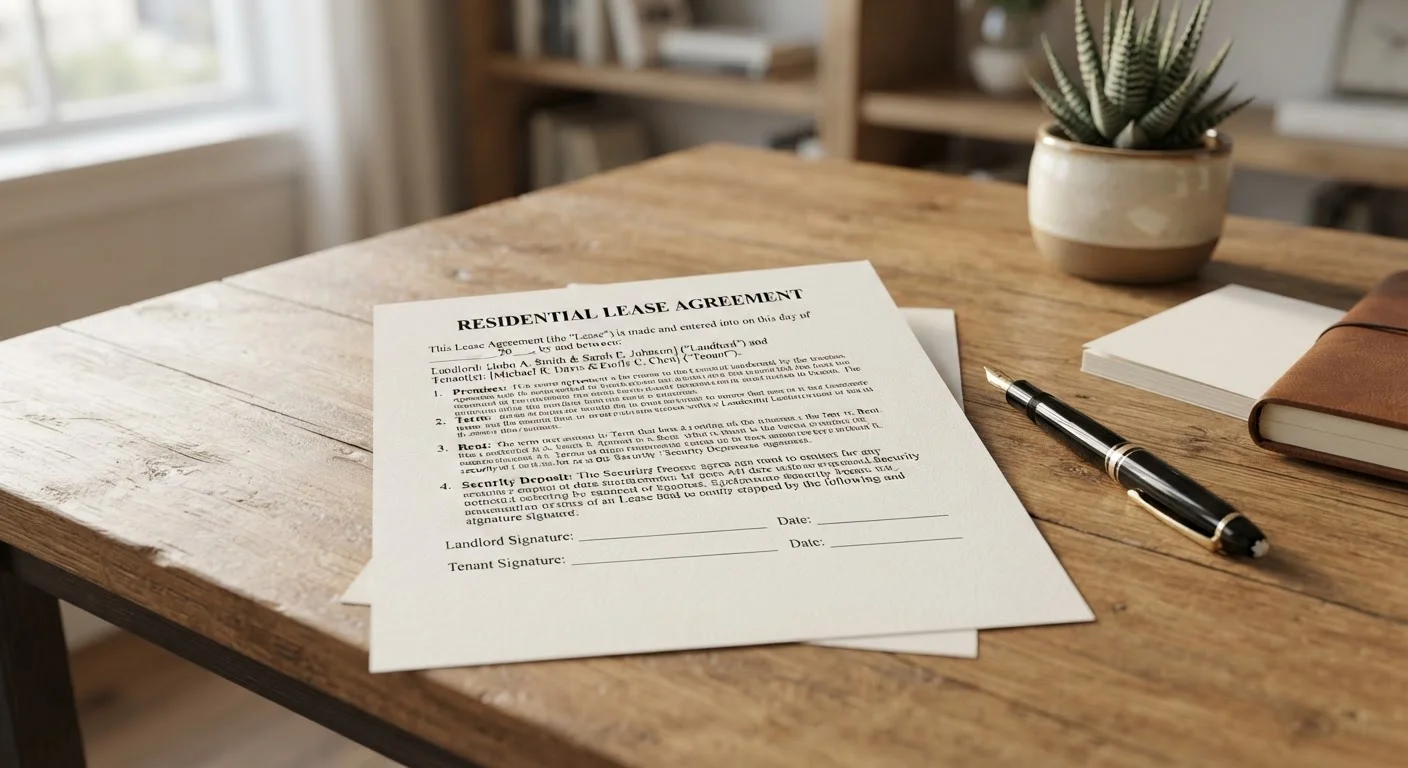
How you document and structure your landlord communications can determine whether you recover your security deposit, successfully request a repair, or navigate a lease dispute without losing money. This isn't about distrust - it's about protecting yourself the same way any informed party to a contract would. Your lease is a legal agreement, and your communications about it exist within that context whether you treat them that way or not. For a deeper look at what that contract actually obligates both parties to do, see our guide to reading your lease.
Core Practices That Build a Protective Communication Record
These approaches apply throughout your tenancy - from move-in to move-out - and require no legal expertise to implement.
Default to email or written messaging for all substantive requests and notifications.
Written exchanges create a dated record that neither party can later deny. If a landlord claims they were never told about a leaking pipe, a sent email proves otherwise. Texts also count - screenshot and save them.
Date and describe every maintenance request in specific, factual language.
Vague requests like "the bathroom has a problem" are harder to act on and easier to dispute. Specific descriptions - location, nature, when it started, any impact on habitability - show you met your responsibility to notify clearly.
Follow up verbal conversations with a written summary sent to the landlord.
If your landlord agrees to something in person - an extended deadline, a repair commitment, a lease modification - that agreement has no enforceable record unless it's confirmed in writing. A simple follow-up email closes that gap.
Maintain a dedicated folder - digital or physical - for all tenancy-related documents.
Tenancy disputes can arise months or years into a rental. A centralized archive of your lease, payment receipts, repair requests, and landlord messages means you're never scrambling to reconstruct a timeline under pressure.
Keep your tone professional and factual, even when frustrated.
Emotional or hostile messages can undermine your credibility and escalate conflicts unnecessarily. A calm, business-like tone signals that you're informed and serious - without giving a landlord grounds to claim harassment or bad faith.
Know what your lease says before raising any issue with your landlord.
Citing a lease clause you've actually read gives your communication authority and specificity. It also prevents you from making requests the lease doesn't support, or missing rights it does protect. Common rental myths often stem from tenants not reading what they signed.
For context on what rights underpin many of these communications, tenant rights every U.S. renter should understand explains the federal and state-level protections that make documentation so consequential.
Quick Actions You Can Take Before Your Next Issue Arises
You don't need to wait for a dispute to put better habits in place. A few small steps now can dramatically improve your position later.
Renters who lose disputes with landlords most often do so because of poor documentation, not because the law wasn't on their side. Learn more about those patterns in our article on why renters lose landlord disputes.
When your tenancy ends, clear communication is equally critical. A structured approach to move-out - covered in our renter move-out checklist - helps protect your deposit and prevent last-minute surprises. You may also want to review security deposit rules in your state before handing over your keys.