
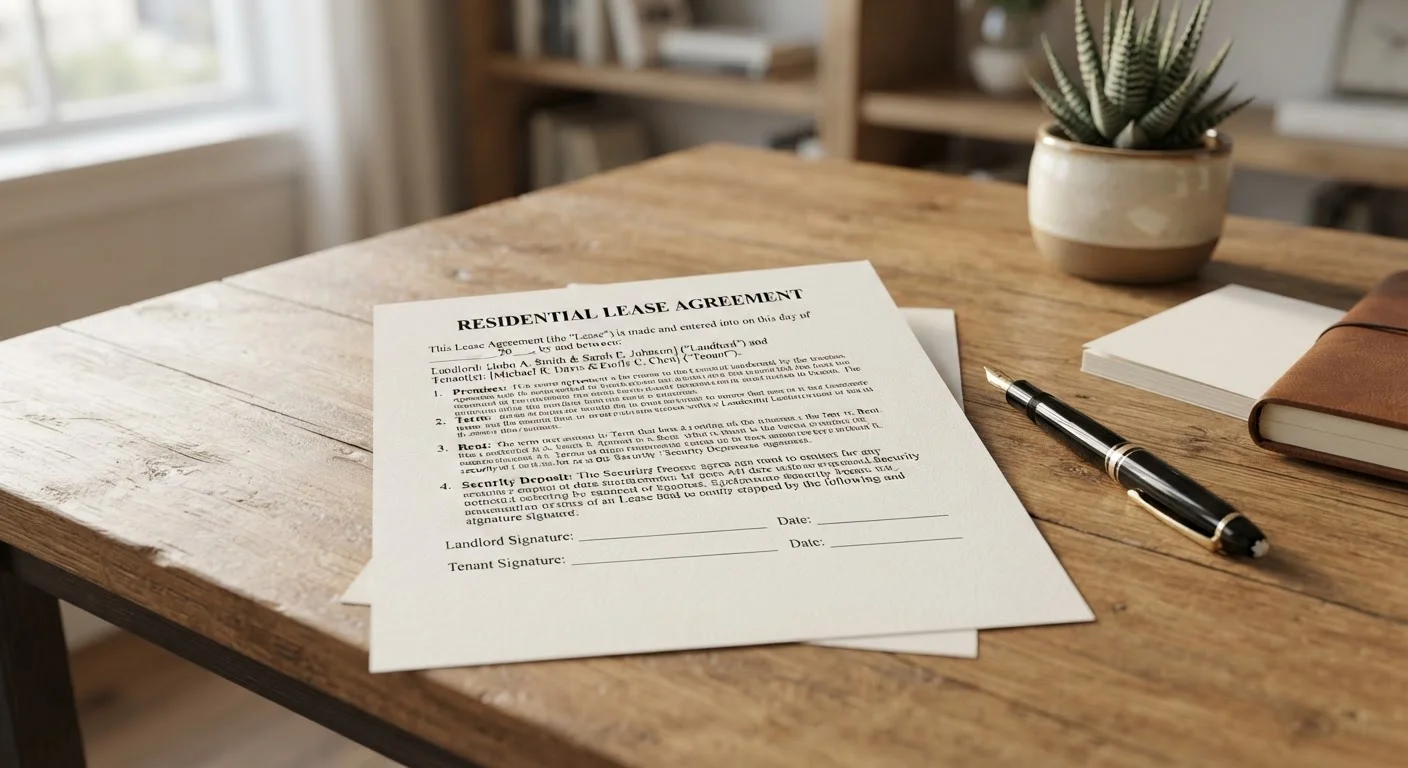
Why Most Renters Don't Actually Read Their Lease
The average residential lease runs 10 to 20 pages of dense legal language. For most renters - especially first-timers - the instinct is to flip to the signature page, skim the rent amount, and sign. That approach is understandable, but it's also one of the most reliable ways to be caught off guard later.
A lease isn't boilerplate. Landlords and property management companies customize leases considerably, and the details buried in the middle sections are often where disputes originate - security deposit deductions, maintenance duties, guest policies, and what happens if you need to leave early. If you've ever wondered why renters so often lose disputes with landlords, misunderstood lease language is near the top of the list. See why renters lose disputes with landlords for a detailed look at the patterns.
Reading your lease before signing isn't just good practice - it's the foundation of your legal standing as a tenant.
The Core Sections Every Lease Contains
While formatting varies, most residential leases share a standard structure. Here's what each major section actually governs:
- Parties and property description: Identifies who is legally bound - every adult occupant should typically be named - and defines the exact unit being rented, including any included storage, parking, or amenities.
- Term and rent: Specifies the start date, end date, monthly rent amount, and due date. Look for what constitutes a late payment and how large the late fee is. Some leases allow a grace period; others do not.
- Security deposit: States the amount held, what it can be used for (damage, unpaid rent, cleaning), and the timeline for return after move-out. State laws impose specific return deadlines - often 14 to 30 days - and landlords who miss them may forfeit the deposit or owe penalties.
- Maintenance and repairs: Defines who is responsible for what. Landlords are generally required by law to maintain habitability - working heat, plumbing, and structural safety - but leases often assign minor maintenance tasks to tenants. Know which side of that line you're on.
- Entry and notice: Your lease should reflect your state's legal notice requirement before a landlord can enter. Most states mandate 24 to 48 hours' written notice except in genuine emergencies.
- Subletting and guests: Many leases prohibit subletting without written approval. Extended guest stays can also trigger lease violations if not addressed. If you anticipate needing flexibility here, negotiate before signing.
- Early termination: Describes the financial consequences of leaving before the lease ends and any conditions - such as military deployment or domestic violence protections - that allow early exit without penalty under state law.
Read the Lease Before the Signing Appointment
Request a copy of the lease at least 48 hours before you're expected to sign. Read it in a low-pressure environment, note any clauses you don't understand, and write down your questions. Signing on the spot without review is one of the most avoidable risks in renting.
Common Clauses That Surprise Renters Later
Beyond the standard structure, leases often include provisions that renters overlook entirely until they become problems:
89%
Renters who don't fully read their lease
According to a survey by Apartment List, the vast majority of renters report not reading their entire lease agreement before signing.
30 days
Typical security deposit return deadline
Most U.S. states require landlords to return security deposits within 14 to 30 days of move-out, with itemized deductions; requirements vary by state law.
24-48 hrs
Required notice before landlord entry
The majority of U.S. states legally require landlords to provide 24 to 48 hours' advance written notice before entering an occupied rental unit for non-emergency purposes.
- Renewal and holdover clauses: If you stay past your lease end date without signing a renewal, some leases automatically convert to a month-to-month tenancy. Others treat the holdover period as a full new lease term - potentially binding you for another year.
- Rent increase provisions: Fixed-term leases lock in your rent for the term, but some include escalation clauses that allow rent to rise by a set percentage at renewal. Know whether your lease has one before you're surprised at renewal time. For a fuller picture of what the renewal moment involves, see lease renewal decisions.
- Utilities and fees: The lease should specify which utilities are included in rent. It should also list any additional recurring fees - trash, pest control, amenity access - that aren't included in the base rent figure.
- Pet and smoking policies: Violations of these clauses can trigger lease termination and security deposit forfeiture. If you have pets, ensure the pet addendum is complete and any pet deposit or monthly pet fee is clearly documented.
If you're navigating a first rental, a full guide to renting your first apartment covers the end-to-end process in detail, including what to look for before you even apply.
What You Can - and Should - Push Back On
Many renters assume a printed lease is a take-it-or-leave-it document. In practice, especially in a softer rental market, landlords will sometimes negotiate. Common areas where modifications are possible include grace periods for rent payment, permission to sublet or have a long-term guest, clarification of maintenance responsibilities, and pet policies.
Any change you negotiate verbally must be reflected in the signed lease or a written addendum. A landlord's verbal promise is nearly impossible to enforce once you've signed a conflicting written document. This is one of the most common misconceptions that cost renters - you can read more about rental myths that cost tenants money to understand how widely these misunderstandings spread.
If a clause seems unclear or unusually restrictive, it's reasonable to ask for clarification in writing or consult a local tenant's rights organization before signing. Understanding what you're agreeing to isn't being difficult - it's being a responsible tenant.
This article provides general informational guidance about residential lease agreements and is not legal advice. Lease terms and landlord-tenant laws vary significantly by state and locality. Consult a licensed attorney or your local tenant's rights organization for guidance specific to your situation.