
Why Tenant Disputes Rarely Come Down to Who Was Right
In most landlord-tenant disputes, the central question isn't who acted fairly - it's who has evidence. Courts and housing adjudicators work from documentation: lease terms, written notices, photographs, and dated correspondence. Renters who rely on memory, verbal agreements, or a sense of fairness are almost always at a disadvantage against landlords who kept records.
The good news is that the most common reasons tenants lose disputes are entirely preventable. They stem from predictable habits - moving in without documenting the unit's condition, communicating only by phone, or signing a lease without reading it - that feel harmless in the moment and costly later. Understanding these patterns is the first step toward protecting yourself.
Failing to document the unit's condition at move-in.
Why it happens: Renters are often excited to move in quickly and treat the move-in inspection as a formality rather than a protective step.
Communicating exclusively by phone or in person.
Why it happens: Calling or stopping by feels faster and more natural, so renters default to it without thinking about future proof needs.
Skipping or skimming the lease before signing.
Why it happens: Lease agreements are long, dense, and filled with legal language, so many tenants skim or skip sections entirely.
Making repair requests verbally and not following up in writing.
Why it happens: Tenants assume a phone call is sufficient and don't realize that many states require written notice before certain tenant rights - including the right to withhold rent - are triggered.
Assuming renters insurance is unnecessary until something goes wrong.
Why it happens: Renters often believe their landlord's property insurance covers their belongings, or they underestimate the value of what they own.
Missing deadlines for disputing a security deposit deduction.
Why it happens: Renters don't realize that most states impose strict deadlines - often 14 to 30 days - for landlords to return deposits, and separate windows for tenants to dispute deductions.
Building Habits That Protect You Throughout Your Tenancy
Avoiding these mistakes isn't about being adversarial with your landlord - it's about creating the conditions for fair outcomes regardless of how the relationship goes. Documentation, written communication, and a basic understanding of your lease terms cost very little effort upfront and pay dividends when anything goes sideways.
Your Lease Is a Legal Contract
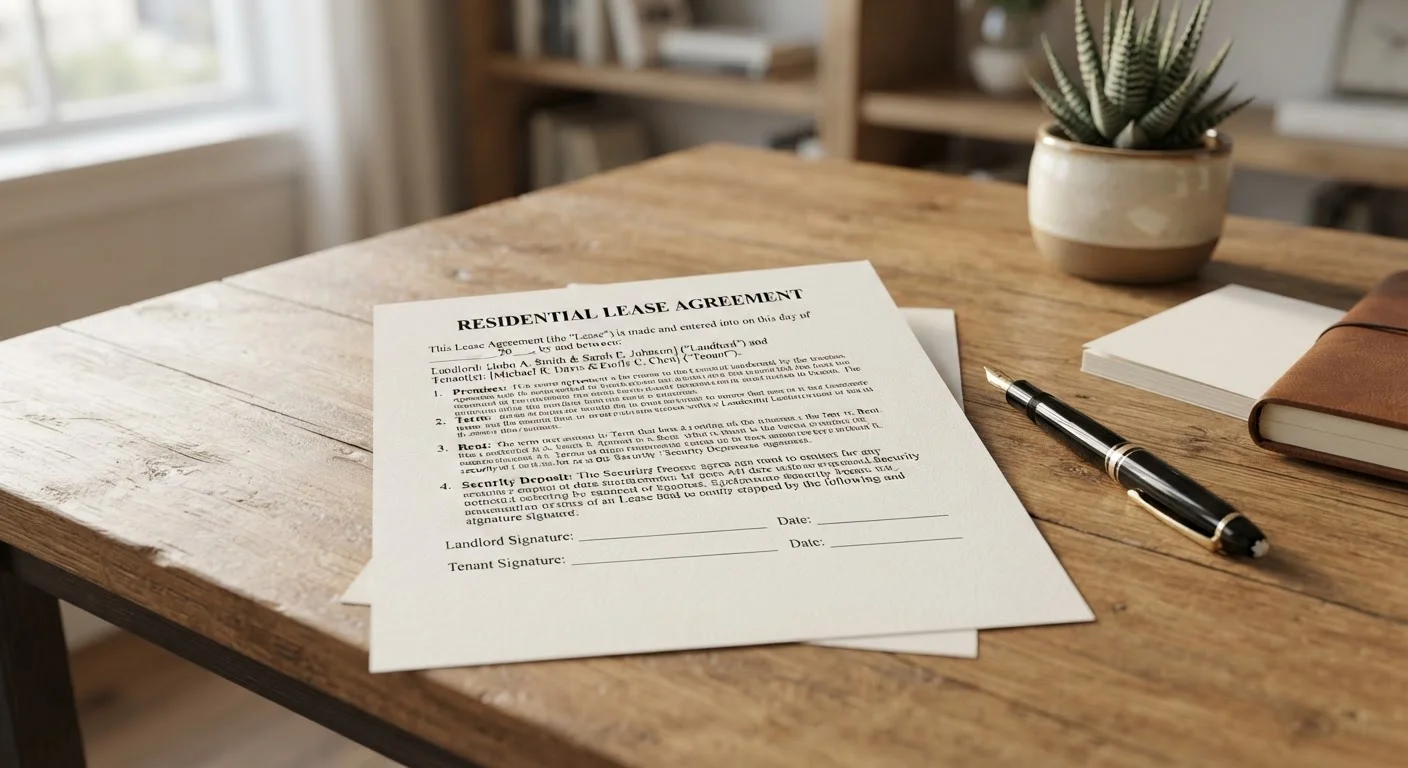
Signing a lease without reading it fully means you may be bound by clauses - on repairs, fees, or lease-break penalties - you didn't know existed. Courts consistently enforce signed lease terms even when tenants claim they were unaware of specific provisions. Before signing, read every section or ask a housing counselor to review it with you.
Start by treating every significant interaction as something that may eventually need to be proven. Repair requests, promises made during showings, extensions agreed by phone - all of it deserves a written record. Establish this habit at move-in and it becomes second nature by the time you need it most.
Renters who know their rights, understand their lease, and keep organized records rarely lose disputes on procedural grounds. The substantive merits of your case matter far more when your documentation is airtight. Take the time now - before any dispute arises - and you'll be far better positioned if one does.
This article provides general informational guidance for renters and does not constitute legal advice. Tenant rights laws vary significantly by state and locality. Consult a qualified housing attorney or local tenant rights organization for guidance specific to your situation.