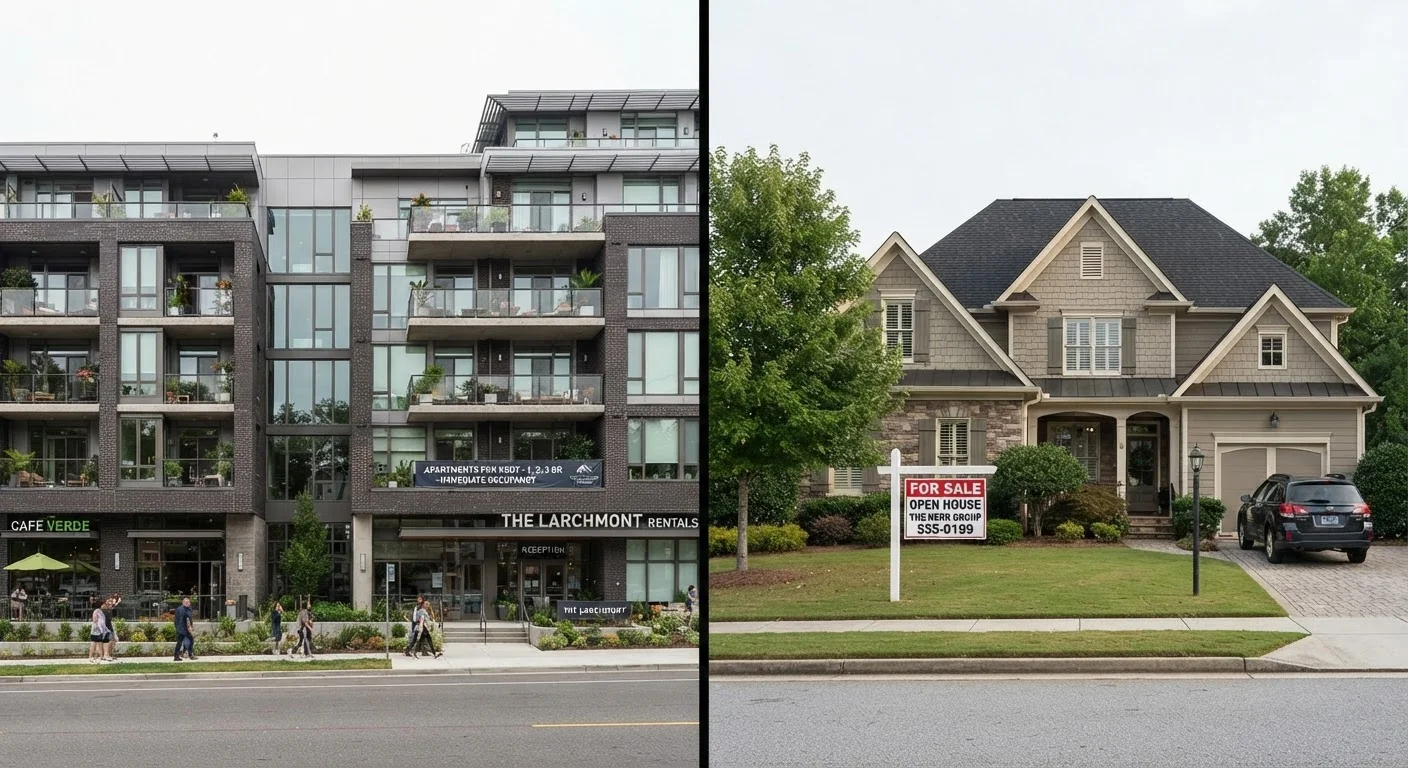

Why Finding Affordable Rentals Has Gotten Harder
Rental affordability has become a persistent pressure point across the United States. A combination of limited housing supply, elevated construction costs, and sustained demand - particularly in mid-sized metros - has kept vacancy rates low and asking rents elevated in many markets. Understanding this backdrop helps renters set realistic expectations and approach their search with the right strategy rather than frustration. For a deeper look at the data signals that define tight versus balanced rental markets, see the indicators economists use to read housing markets.
This guide focuses on what renters can actually control: search strategy, application quality, program access, and negotiation. If you're also weighing whether renting is the right path for you at all, our rent-versus-buy comparison offers a grounded framework for that decision.
AnnualCreditReport.com
Pull your free credit report to review before landlords do and address any discrepancies.
Local Public Housing Authority (PHA) website
Research eligibility and apply for subsidized housing programs in your area.
Rental budget spreadsheet
Track all-in housing costs including utilities, fees, and transportation to validate affordability.
Listing alert tools
Automated notifications from rental platforms so you see new listings the moment they appear.
Step-by-Step: How to Find an Affordable Rental
The following steps are designed to be worked sequentially, though your circumstances may allow you to start at a later stage. Begin with budget clarity, then build outward into search tactics, application preparation, and negotiation.
What you will need
Define your true budget before searching
Rent is only one line item. Before you open a single listing, calculate your all-in monthly housing cost: rent, utilities, renter's insurance, parking, and pet fees if applicable. A common guideline suggests keeping total housing costs at or below 30% of gross monthly income, though this threshold may be difficult to achieve in high-cost metros. Knowing your ceiling prevents emotional anchoring on units you cannot realistically afford.
Search beyond the most popular platforms
Major listing aggregators surface the same inventory to thousands of searchers simultaneously, intensifying competition. Supplement those searches with local property management company websites, neighborhood Facebook groups, Craigslist (with appropriate caution), and community bulletin boards. Some landlords - especially owners of smaller multi-family buildings - never list on national platforms. Also contact local housing nonprofits and community development organizations, which often maintain affordable unit waitlists unavailable to the public.
Time your search strategically
Rental markets are seasonal. Inventory typically peaks in late spring and summer as leases turn over, but competition is fiercest then too. Searching in late fall or winter often means fewer options but significantly more negotiating leverage. If your timeline is flexible, aim to begin active searching 60 days before your desired move-in date - the window when landlords are most actively showing units without yet being under pressure to fill them immediately.
Prepare a complete application package in advance
In competitive markets, desirable units can receive multiple applications within hours of listing. Assemble your application package before you begin touring: recent pay stubs or tax returns, a credit report (you can pull your own from AnnualCreditReport.com), landlord references with contact information, and a brief renter's cover letter if appropriate. Having everything ready allows you to submit the same day you tour - a meaningful advantage over less-prepared applicants.
Explore income-restricted and subsidized housing options
Affordable housing programs - including Housing Choice Vouchers (Section 8), Low Income Housing Tax Credit (LIHTC) properties, and locally administered programs - can dramatically reduce monthly costs for eligible households. Contact your local Public Housing Authority (PHA) to understand eligibility requirements and waitlist status. Many renters overlook these programs assuming they won't qualify or that waitlists are impossibly long; both assumptions are worth verifying with current data directly from your PHA.
Negotiate terms, not just price
Landlords under vacancy pressure are more open to negotiation than many renters assume. If the asking rent is firm, consider negotiating other terms: a longer lease in exchange for a rate lock, reduced security deposit, free first month, or inclusion of previously excluded utilities. Bringing a longer lease commitment to the table signals stability and reduces landlord turnover costs - value you can leverage even when the headline rent isn't movable.
Rental Scams Are Common in Tight Markets
When inventory is scarce, fraudulent listings multiply. Red flags include requests for payment before a showing, landlords claiming to be out of the country, and rental prices significantly below comparable units. Never wire money or pay a deposit on a property you have not personally visited and verified. If something feels off, trust that instinct and walk away.
Once you've secured a unit, take time to thoroughly document its condition before move-in. Our guide on renting your first apartment covers move-in inspections and lease signing in detail. And before you tour any property, know what to look for - common red flags during a rental tour can save you from a costly situation.
Widen Your Geographic Search Intentionally
Many renters anchor to a single neighborhood and miss materially better values one or two ZIP codes away. Map your required commute radius and explore every neighborhood within it - not just the ones you already know. Transitional neighborhoods adjacent to high-demand areas often offer comparable access at noticeably lower rents.
Finally, don't let misinformation work against you. Common rental myths cost tenants real money and legal standing - knowing the facts puts you in a stronger position from day one.