What Drives Depreciation and Why It Starts Immediately
The moment a new car leaves the dealership, it transitions from new inventory to a used vehicle in the eyes of the resale market. This single shift - a change in status rather than physical condition - triggers an immediate drop in market value. From that point forward, depreciation continues as a steady, ongoing process tied to age, use, and market dynamics.
Several factors determine how quickly a vehicle loses value:
- Age: Older vehicles are generally worth less, all else being equal.
- Mileage: Higher mileage signals more wear on mechanical components and accelerates value loss.
- Condition: Dents, interior damage, and deferred maintenance all reduce what a buyer will pay.
- Market demand: A model with strong buyer interest holds value better than one that's fallen out of favor.
- Fuel efficiency and running costs: When fuel prices rise, fuel-efficient vehicles often retain value better.
- Availability of parts and service: Vehicles from brands with wide service networks tend to depreciate more slowly.
Depreciation is one of several hidden costs described in detail in our overview of the true cost of car ownership. Understanding it early helps you plan more effectively at every stage of ownership.
The Depreciation Curve: When Value Loss Is Steepest
Depreciation does not happen at a flat, even rate. The curve is steepest in a vehicle's early years and gradually flattens as the car ages. Industry data consistently shows that the first year produces the largest single-year percentage loss - often 15-25% of the original purchase price. By the end of year five, many vehicles have lost 40-60% of their original value.
20%
Average first-year value loss for new vehicles
Industry analysts broadly estimate new cars lose approximately 15-25% of their value within the first 12 months of ownership.
40-60%
Value lost by end of year five
Most new vehicles depreciate by nearly half their original purchase price within five years, according to widely cited automotive valuation analyses.
$3,000+
Estimated annual depreciation cost per vehicle
The American Automobile Association (AAA) has consistently listed depreciation as the largest single component of annual vehicle ownership costs.
After year five or six, depreciation tends to slow significantly. At this stage, the vehicle has already absorbed most of its market value loss, and year-over-year declines become more modest. This pattern explains why a three- or four-year-old used car can represent strong value - much of the early loss has already occurred.
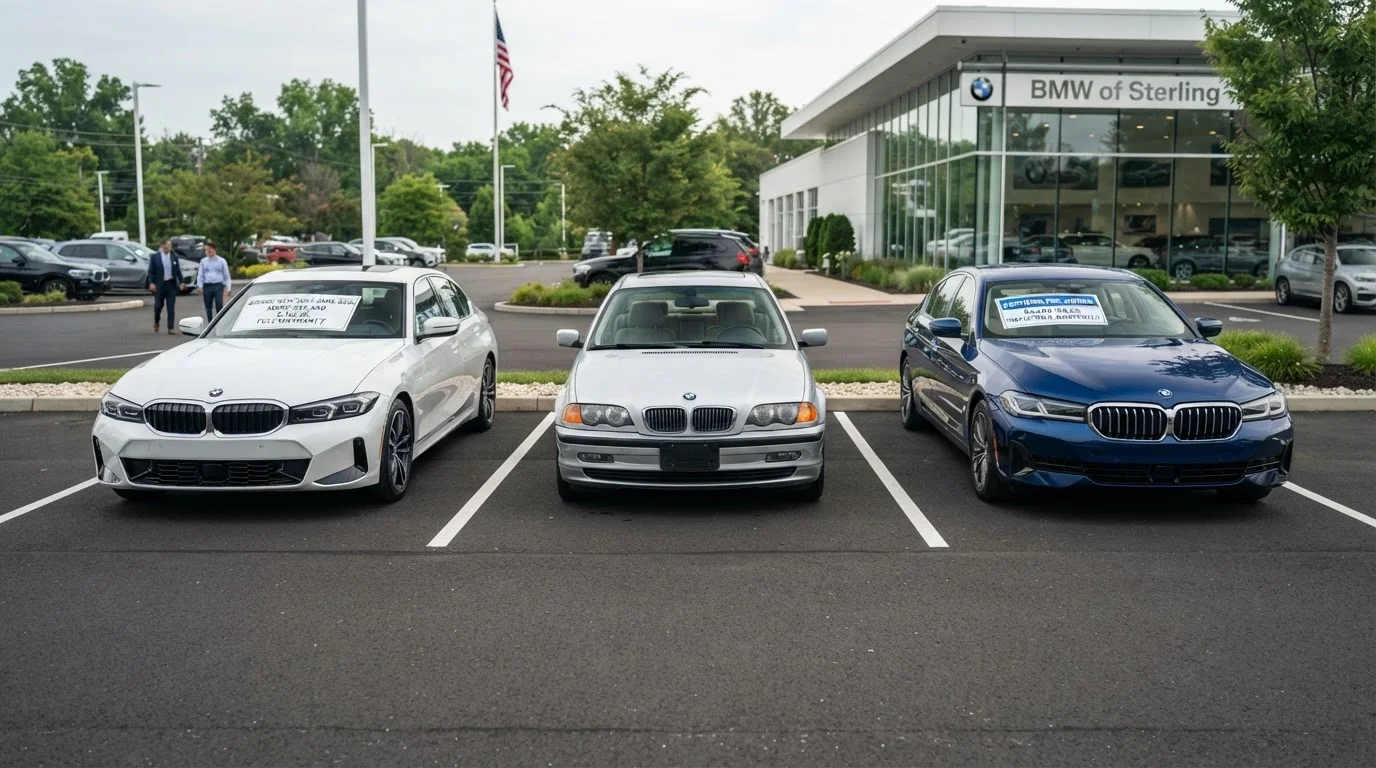
It's also worth noting that depreciation does not affect all vehicles equally. Trucks and SUVs in high demand, models with proven reliability records, and vehicles with lower supply relative to buyer interest all tend to follow a shallower depreciation curve. Luxury vehicles, on the other hand, frequently depreciate faster in percentage terms - their high original price combined with higher running costs and smaller buyer pools can accelerate value loss.
Depreciation and Your Auto Loan: Understanding Negative Equity
For drivers financing a vehicle purchase, depreciation has a direct financial consequence that's easy to overlook. When a car loses value faster than you pay down your loan balance, you can find yourself in a position where you owe more on the loan than the vehicle is currently worth. This situation is commonly called being "underwater" or having negative equity.
Negative equity becomes a real problem if you need to sell the vehicle early, if it's declared a total loss in an accident, or if you want to trade it in before the loan is paid off. In those cases, you may have to cover the gap between the insurance or trade-in payout and your remaining loan balance out of pocket.
To understand how loan structure intersects with depreciation risk, see our plain-language guide to auto loan terms. Concepts like loan-to-value ratio are directly tied to how depreciation affects your borrowing position over time.
New, Used, or CPO: How Purchase Timing Affects Your Exposure
One of the most practical ways to manage depreciation is through the type of vehicle you purchase. Buying new means you absorb the steepest part of the depreciation curve yourself. Buying a vehicle that is two to four years old means the original owner has already absorbed the largest value drop - you effectively step onto a flatter part of the curve.
Certified Pre-Owned (CPO) vehicles offer a middle path: lightly used cars that have been inspected and typically come with extended warranty coverage. This can provide some of the assurance of new without the full cost of new-car depreciation. Our article on new, used, and CPO vehicle differences breaks down what each option actually delivers in terms of protections and long-term costs.
Protect Resale Value From Day One
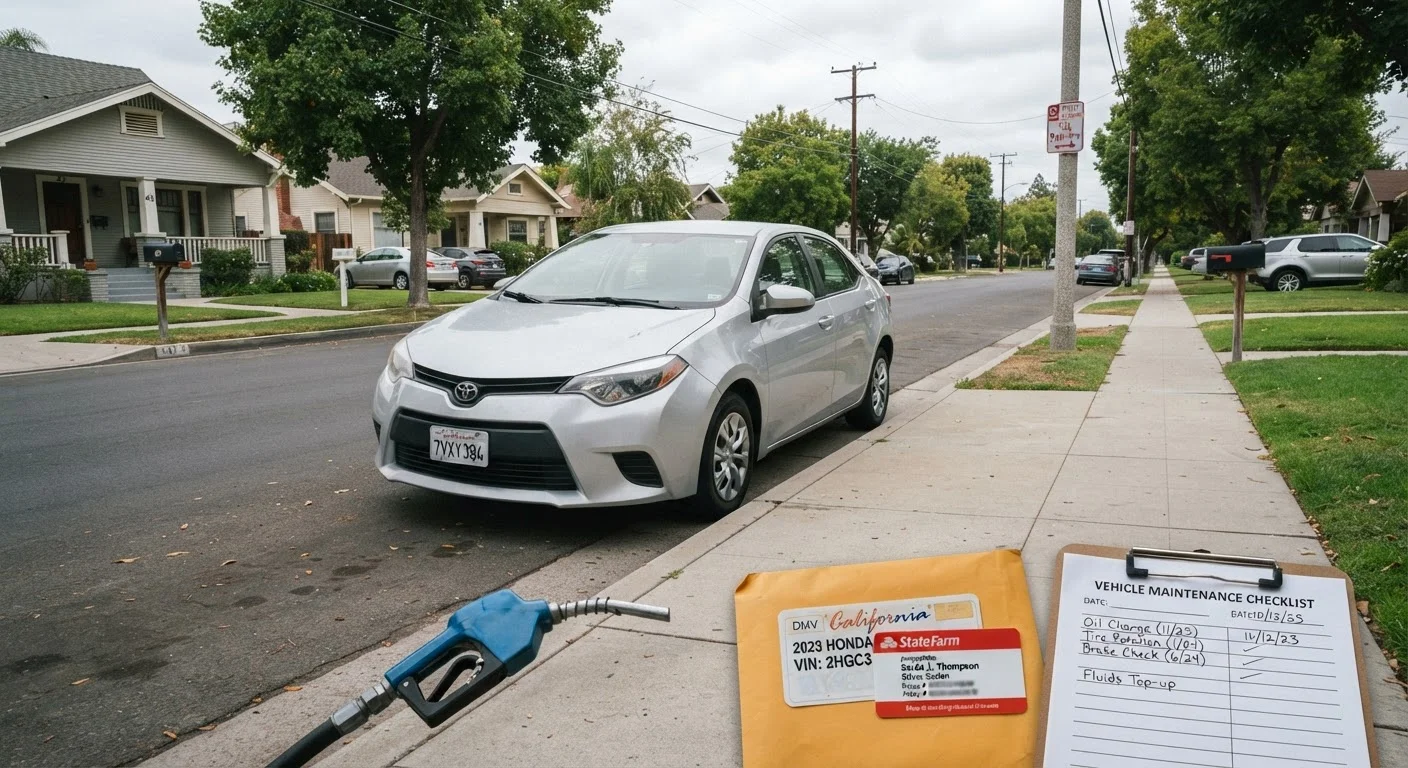
Keep all service records in a dedicated folder - digital or paper. When it comes time to sell or trade in, documented maintenance history signals to buyers that the vehicle was cared for, which can meaningfully reduce the discount they demand. Small habits like prompt oil changes and timely tire rotations compound over time into real resale value.
Regardless of which route you take, regular car maintenance plays a measurable role in preserving resale value. Documented service history, clean condition, and well-maintained mechanical systems give future buyers confidence - and that confidence translates to better resale or trade-in outcomes. Depreciation may be unavoidable, but its pace is something you can influence through consistent, attentive ownership.