Why Added Sugar Deserves Its Own Category
When nutritionists and health organizations talk about reducing sugar, they are almost exclusively referring to added sugar - not the kind naturally present in an apple or a glass of milk. That distinction matters enormously, because whole foods containing natural sugars also deliver fiber, water, vitamins, and minerals that change how your body responds to them.
Added sugars, by contrast, arrive stripped of that nutritional context. A can of soda and a handful of grapes may contain similar amounts of sugar by weight, but the metabolic experience is not the same. The fruit's fiber slows digestion and blunts blood glucose spikes; the soda delivers sugar rapidly, with nothing else to show for it.
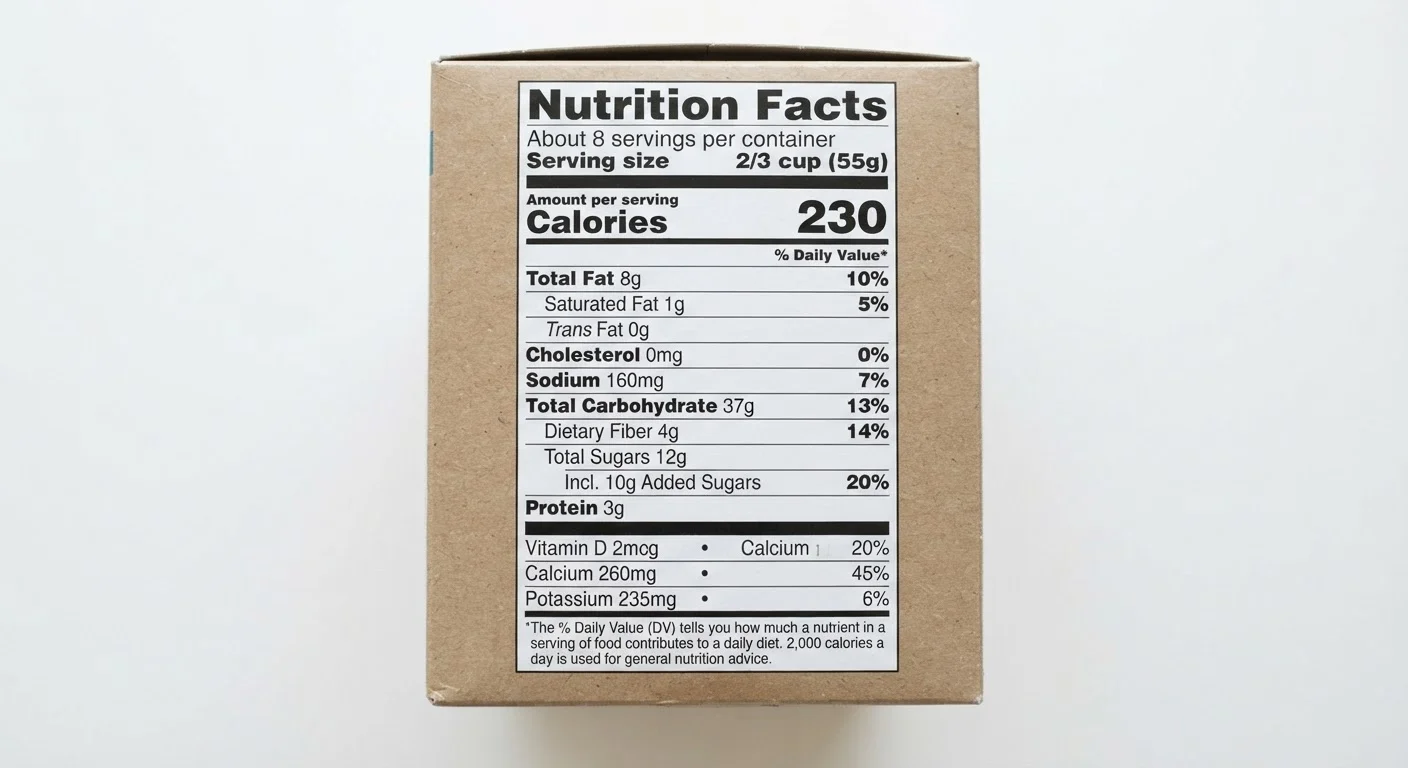
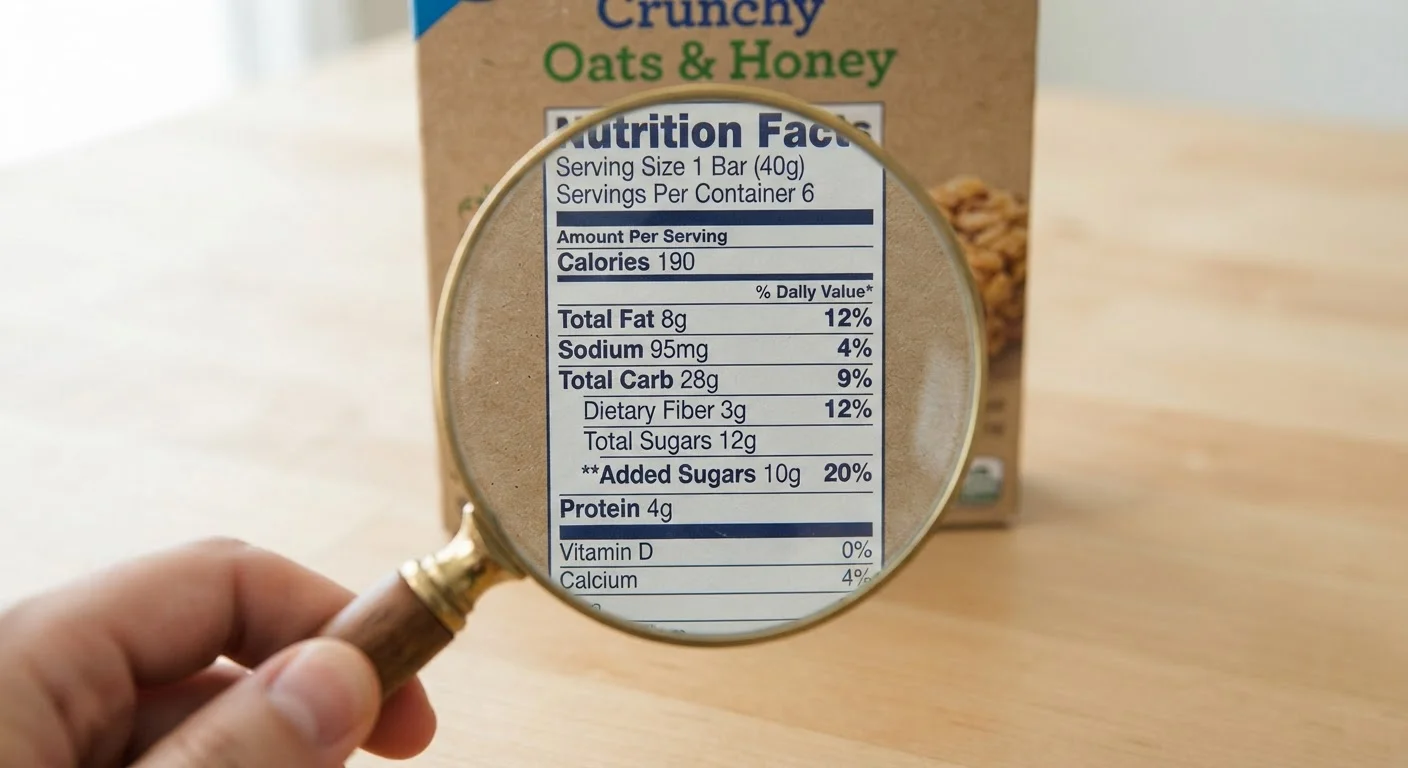
This is why the FDA updated the Nutrition Facts label in 2016 to require a dedicated "Added Sugars" line - giving consumers a clearer picture than total sugar alone could provide. To learn how that line fits into the broader label, see The Nutrition Label Decoded.
17 tsp
Average daily added sugar intake for American adults
According to CDC data, American adults consume roughly 17 teaspoons of added sugar per day - well above major health organization recommendations.
60+
Names used for added sugar on ingredient lists
The Sugar Science project at the University of California, San Francisco, identified more than 60 names manufacturers use for added sugars on ingredient labels.
39%
Share of added sugar Americans get from beverages
The CDC estimates that sweetened drinks - including sodas, energy drinks, and fruit-flavored beverages - account for approximately 39% of adult added sugar intake in the U.S.
The Health Implications of Excess Added Sugar
Research consistently links high added-sugar intake to several health concerns. Excess added sugar contributes to excess calorie consumption without triggering the same satiety signals that protein, fat, or fiber do - making it easy to overconsume without feeling full.
Over time, regularly high intake is associated with:
- Weight gain and obesity - liquid sugars in particular are poorly compensated for by reduced food intake elsewhere.
- Elevated triglycerides - the liver converts excess fructose into fat, which raises blood triglyceride levels.
- Increased risk of type 2 diabetes - driven partly by weight gain and partly by repeated blood glucose and insulin spikes.
- Dental cavities - bacteria in the mouth ferment sugar, producing acids that erode tooth enamel.
- Cardiovascular risk factors - including elevated blood pressure and inflammation markers.
It is important to note that most of this research is observational and reflects patterns at high intake levels over time. Moderate consumption of added sugar within an otherwise balanced diet is not the same as chronic excess. Always consult a qualified healthcare professional for guidance specific to your situation.
How to Spot Added Sugar on Any Label
Added sugar hides in plain sight - under more than 60 recognized names on ingredient lists. Manufacturers are not required to flag all of them as "sugar," so label literacy is your best defense.
Watch for these common aliases:
- Any ingredient ending in -ose: dextrose, maltose, sucrose, fructose, glucose
- Syrups: high-fructose corn syrup, brown rice syrup, malt syrup, maple syrup
- "Natural" sweeteners: agave nectar, honey, cane juice, coconut sugar, fruit juice concentrate
- Other caloric sweeteners: molasses, barley malt, carob syrup, dextrin
Ingredient lists are ordered by weight - so if a sugar or one of its aliases appears in the first three ingredients, that product is likely high in added sugar. When multiple sugar aliases appear scattered through the list, their combined contribution may still be substantial even if none appears near the top individually.
The most reliable shortcut is the Nutrition Facts label's dedicated "Added Sugars" row, expressed both in grams and as a %DV. A product delivering 20% or more of the Daily Value per serving is considered high in added sugar. For a full walkthrough of what every label section means, see The Nutrition Label Decoded.
Be equally cautious with packaging claims like "natural," "no artificial sweeteners," or "made with real fruit" - these phrases do not indicate that a product is low in added sugar. For a deeper look at what front-of-package claims are regulated versus marketing language, visit What Product Labels Are Actually Telling You.
This article is for general informational and educational purposes only and is not a substitute for professional medical or dietary advice. Consult a qualified healthcare provider or registered dietitian before making significant changes to your diet.