The Spectrum: What 'Processed' Actually Means
The word "processed" gets used as a blanket warning, but it describes a wide range of interventions - from washing and freezing vegetables to engineering shelf-stable snacks with dozens of additives. To make sense of the difference, nutrition researchers commonly refer to the NOVA classification system, developed by researchers at the University of São Paulo, which groups foods into four categories based on the nature and extent of processing.
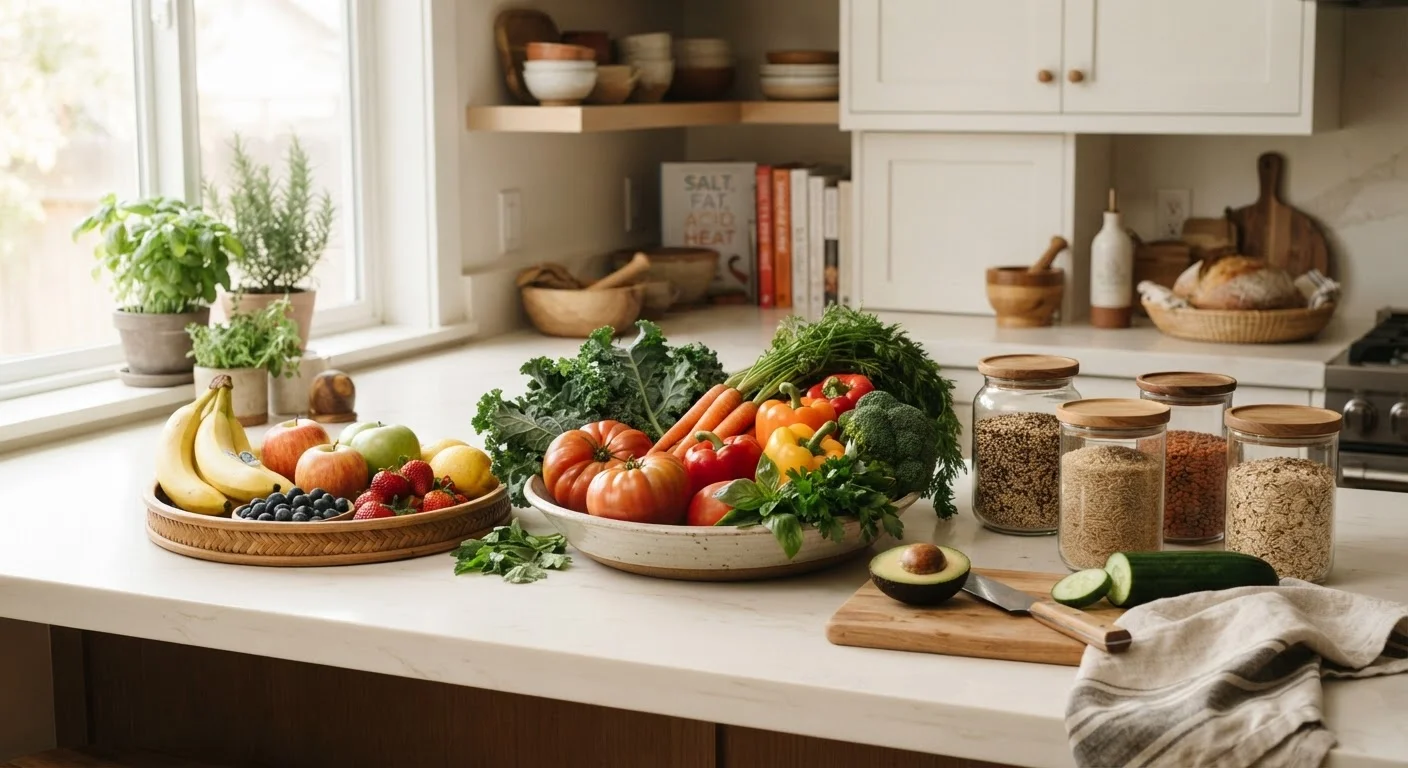
- Group 1 - Unprocessed or minimally processed: Fresh fruits, vegetables, plain meats, eggs, milk, and unsalted nuts. These foods are either unaltered or have been minimally changed (dried, frozen, pasteurized) without the addition of salt, sugar, or fat.
- Group 2 - Processed culinary ingredients: Oils, butter, flour, and sugar - substances extracted from whole foods and used in cooking, but rarely eaten alone.
- Group 3 - Processed foods: Products made by adding salt, sugar, oil, or vinegar to whole foods. Think canned tomatoes, smoked salmon, or natural cheese. They're altered, but the original food is still recognizable.
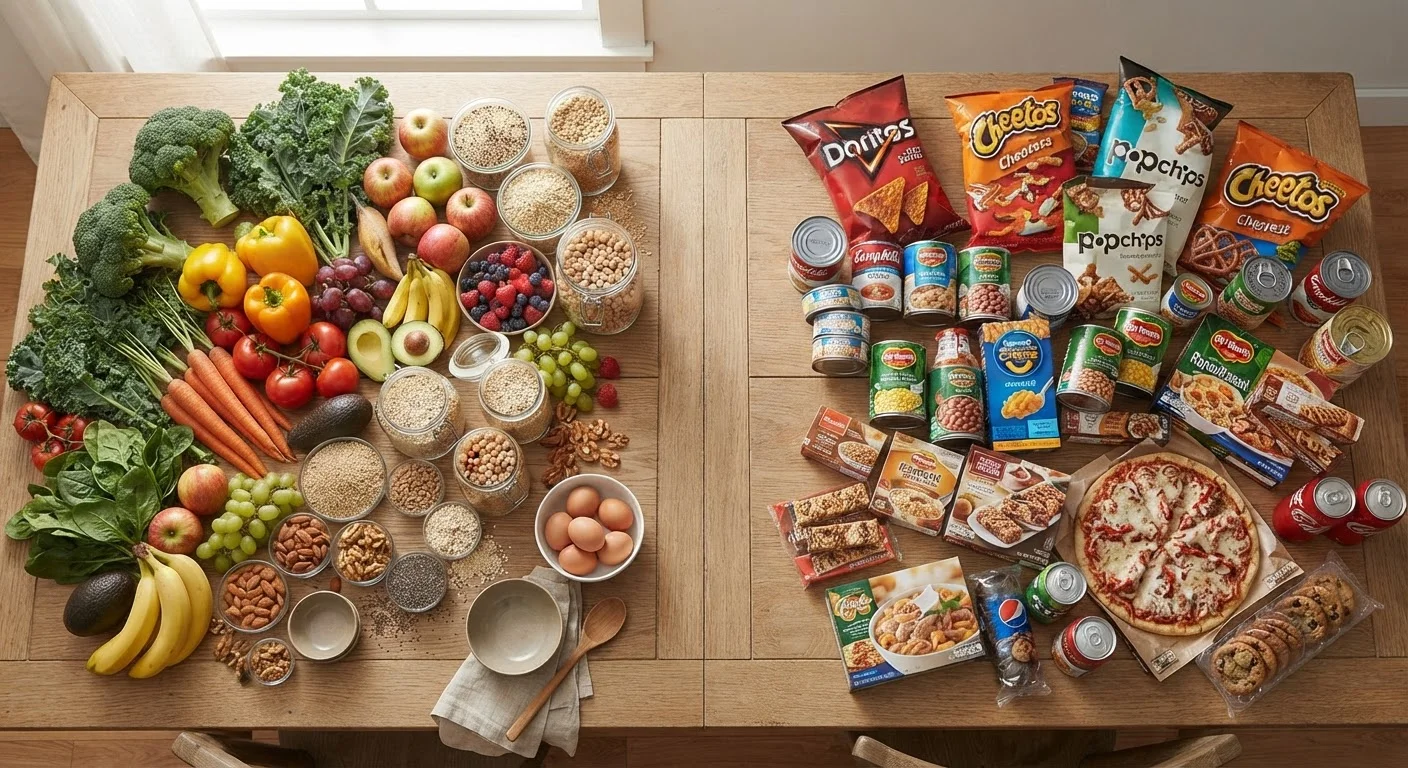
- Group 4 - Ultra-processed foods: Formulations containing ingredients rarely found in a home kitchen - emulsifiers, artificial flavors, modified starches, colorings, and preservatives. Examples include many packaged snacks, sugary breakfast cereals, flavored chips, and fast-food items.
This framework matters because it moves the conversation away from individual nutrients (fat, sugar, carbs) toward a more holistic view of food quality. It's also why blanket rules like "avoid all processed food" miss the point - canned beans and fluorescent orange cheese puffs are both "processed," but they're nutritionally worlds apart.
What Research Shows About Ultra-Processed Diets
While nutrition science is famously complex, the evidence linking ultra-processed food consumption with adverse health outcomes has grown substantially. Large cohort studies - including research published in journals like The BMJ and JAMA Internal Medicine - consistently associate higher ultra-processed food intake with increased risks of cardiovascular disease, type 2 diabetes, obesity, and even certain cancers. One commonly cited mechanism is that ultra-processed foods tend to be energy-dense, low in fiber, and engineered to override the body's natural satiety signals, making overconsumption easier.
57%
Share of U.S. calories from ultra-processed foods
A study published in BMJ Open estimated that ultra-processed foods account for more than half of daily caloric intake for the average American adult.
32%
Higher obesity risk with high ultra-processed intake
Research published in Nutrients found that adults with the highest ultra-processed food consumption had significantly elevated odds of obesity compared to those with the lowest intake.
10+
Ingredients typical in an ultra-processed snack
The NOVA classification notes that ultra-processed products commonly contain five to twenty or more ingredients, many serving functional rather than culinary purposes.
That said, observational studies can't prove causation - people who eat more ultra-processed foods may also have other lifestyle patterns that contribute to health risks. Researchers continue to investigate what specifically drives the associations: Is it the additives themselves? The displacement of nutrient-dense foods? The caloric density? Most nutrition scientists recommend caution about drawing firm conclusions while acknowledging the consistency of the signal across multiple large populations.
Whole foods, by contrast, deliver fiber, polyphenols, vitamins, and minerals in combinations that appear to work synergistically - a concept sometimes called the "food matrix" effect. An apple's fiber, water, and phytonutrients interact in ways that a vitamin C supplement simply doesn't replicate.
Practical Ways to Shift the Balance
You don't have to overhaul your entire grocery cart overnight - in fact, that approach often backfires. See our common mistakes people make when trying to eat healthier for why dramatic overhauls tend to be unsustainable.
Instead, consider these evidence-informed strategies for moving toward more whole and minimally processed foods:
- Use the ingredient list as a quick filter. A long list of unfamiliar additives is a reliable signal of ultra-processing. Shorter lists with recognizable ingredients generally indicate less-processed products. Our guide on reading product labels accurately explains what those label claims do - and don't - mean.
- Embrace minimally processed convenience. Frozen vegetables, canned fish packed in water, plain Greek yogurt, and dried legumes offer genuine nutritional value with real-world convenience. Not every shortcut is a nutritional compromise.
- Crowd out, don't cut out. Adding more whole foods naturally reduces the space - and appetite - for ultra-processed options. Focusing on addition rather than restriction tends to be more sustainable for most people.
- Cook more, even occasionally. Home preparation gives you control over ingredients, even when using some processed components like canned tomatoes or dried pasta.
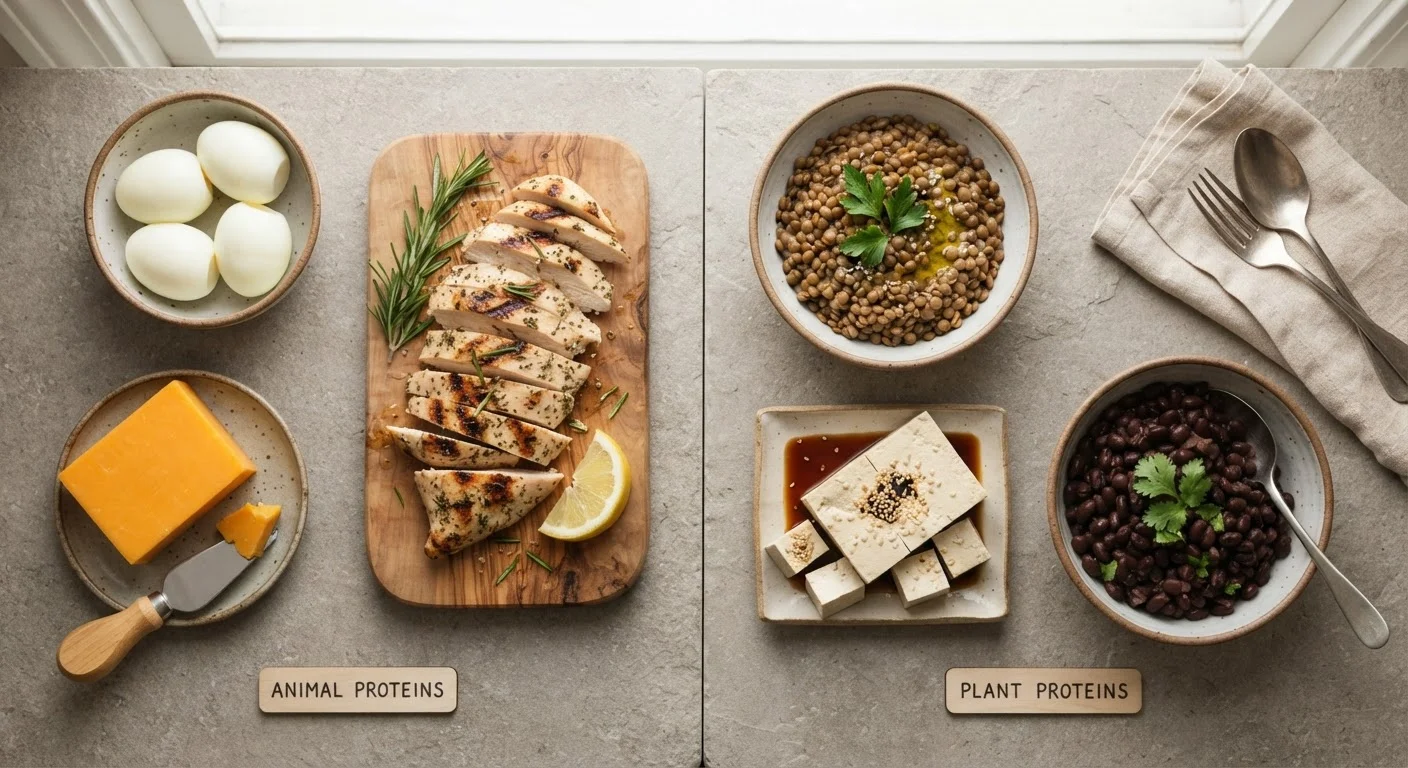
If you're exploring plant-based versus animal protein sources, the whole vs. processed lens applies there too - whole beans or grilled chicken differ significantly from heavily processed meat alternatives or protein-fortified snack bars.
This article is for general informational purposes only and does not constitute medical or dietary advice. Consult a qualified healthcare professional or registered dietitian before making significant changes to your diet, especially if you have an existing health condition.