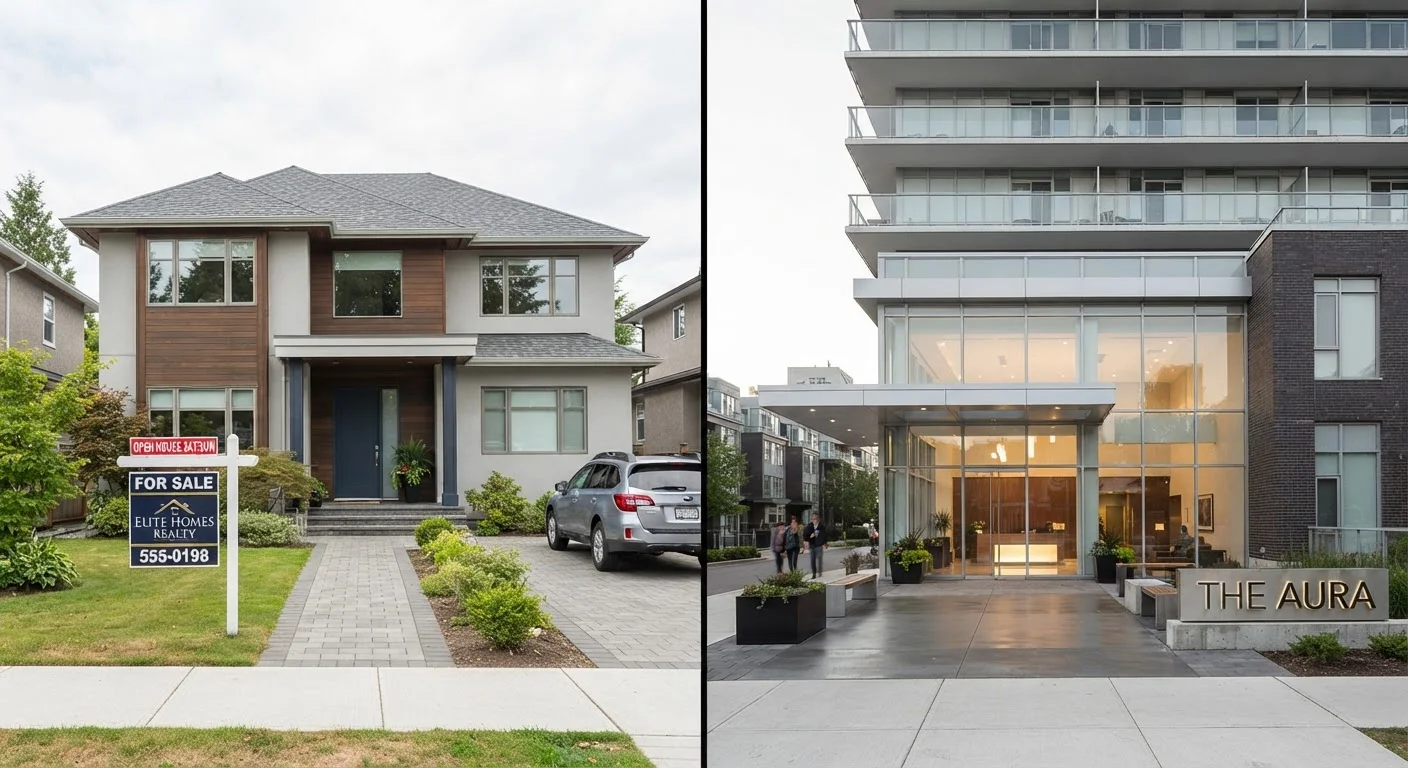
The Real Costs of Owning a Home
Homeownership is widely promoted as a cornerstone of financial stability - and for many Americans, it is. But the full cost picture is more complex than a mortgage payment alone. Buyers typically need a down payment (often 3-20% of the purchase price), closing costs averaging 2-5% of the loan amount, and immediate reserves for repairs and maintenance. Once in the home, owners carry property taxes, homeowners insurance, and maintenance costs that financial planners commonly estimate at 1-2% of the home's value annually.
The equity-building argument is real: each mortgage payment reduces principal and, in appreciating markets, rising home values expand net worth over time. But appreciation is not guaranteed and varies dramatically by location and market cycle. Homeowners also benefit from the mortgage interest deduction in some tax situations, though the 2017 tax law changes reduced how many filers itemize.
Common homebuying myths - like the idea that you must put 20% down or that renting is always throwing money away - can distort how first-timers evaluate the decision. Understanding the real numbers matters more than inherited assumptions.
Builds equity with every mortgage payment
Unlike rent, principal payments reduce what you owe and increase your ownership stake. In appreciating markets, this compounds into significant net worth over a decade or more.
Protection against rent increases
A fixed-rate mortgage locks in your principal and interest payment for the life of the loan, shielding owners from the rent volatility renters face in competitive markets.
Freedom to modify and personalize the property
Owners can renovate, repaint, landscape, or reconfigure their space without landlord approval - a quality-of-life benefit with potential resale value upside.
Potential tax advantages in eligible situations
Mortgage interest and property taxes may be deductible for homeowners who itemize, and capital gains exclusions apply when selling a primary residence under qualifying conditions.
Stability for long-term planning
Ownership provides a predictable housing base for families, reducing the risk of displacement due to a landlord's decision to sell or significantly raise rent.
The Real Costs of Renting
Renters pay monthly for housing without accumulating ownership equity in that property. This is the core financial critique of renting - but it omits important nuance. Rent payments cover housing without exposing tenants to repair costs, property tax increases, or the risk of a market downturn reducing their asset's value. Security deposits and renters insurance are the primary upfront obligations, both far smaller than a down payment.
The flexibility renting provides has genuine financial value. Renters can relocate for better job opportunities, downsize without the friction of a sale, or avoid being anchored to an asset during a period of market weakness. In expensive metros, renting a comparable unit can cost meaningfully less per month than owning it - freeing cash that, if invested consistently, could produce wealth through other channels.
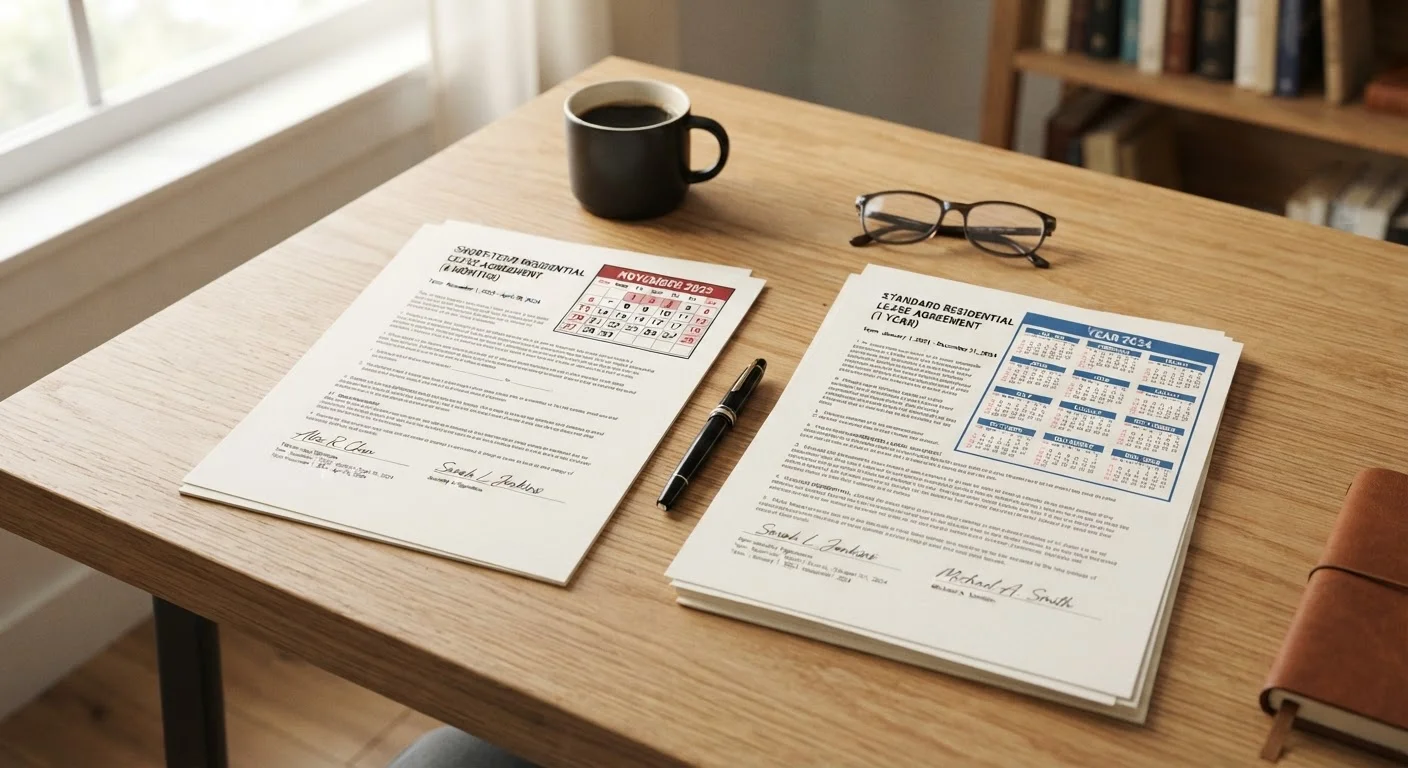
For renters navigating tight markets, strategies for finding affordable housing can make a meaningful difference. Understanding lease structures also matters - see how month-to-month and fixed-term leases compare before committing.
High upfront and transaction costs
Down payments, closing costs, inspections, and moving expenses can total tens of thousands of dollars before a homeowner makes a single mortgage payment.
Owners bear all maintenance and repair costs
From a failed HVAC system to a leaking roof, repair bills fall entirely on the owner. Industry guidance suggests budgeting 1-2% of the home's value annually for ongoing maintenance.
Reduced financial flexibility and mobility
Selling a home takes time and money. Owners who need to relocate quickly for work or personal reasons may find themselves financially constrained or forced into an unfavorable sale.
Market risk can erode or eliminate equity
Home values can decline. Buyers who purchase near a market peak and need to sell during a downturn may owe more than their home is worth, a situation known as being underwater.
Ongoing costs beyond the mortgage
Property taxes, homeowners insurance, HOA fees where applicable, and utilities often push total housing costs well above the mortgage payment itself.
How Market Conditions Shape the Calculation
The rent-vs.-own equation shifts significantly depending on where you live. A common benchmark is the price-to-rent ratio - dividing a home's purchase price by annual rent for a comparable property. When that ratio is high (above roughly 20), renting is often more cost-efficient on a monthly basis; when it's low, ownership costs become more competitive. Many high-demand U.S. cities have carried elevated ratios for years, making the financial case for buying less clear-cut than in more affordable markets.
5-7 years
Minimum ownership horizon to offset transaction costs
Housing economists and financial planners commonly cite a five-to-seven-year stay as the threshold at which buying typically becomes more cost-effective than renting, accounting for closing costs on both ends.
2-5%
Typical closing cost range as share of loan amount
According to the Consumer Financial Protection Bureau, homebuyers should expect closing costs - including lender fees, title insurance, and prepaid items - to total roughly 2-5% of the loan amount.
1-2%
Annual maintenance cost as share of home value
A widely cited rule of thumb among personal finance professionals holds that homeowners should reserve 1-2% of their home's value each year for routine maintenance and unexpected repairs.
Interest rate levels also directly affect the ownership calculus. Higher mortgage rates increase the monthly cost of a given loan amount, sometimes pushing ownership costs well above local rental equivalents. For a deeper framework on navigating this in expensive markets, see how to think through the decision when prices are elevated.
Time horizon is arguably the most underweighted variable. Transaction costs on both ends of a purchase - agent commissions, closing costs, moving expenses - mean owners generally need to stay put for at least five years before those costs are offset by equity gains. Shorter stays frequently result in a financial wash or a loss, even in appreciating markets.
This article provides general financial information for educational purposes and does not constitute personalized financial, tax, or legal advice. Readers should consult a qualified financial professional before making housing decisions based on their individual circumstances.