How the Shortage Developed
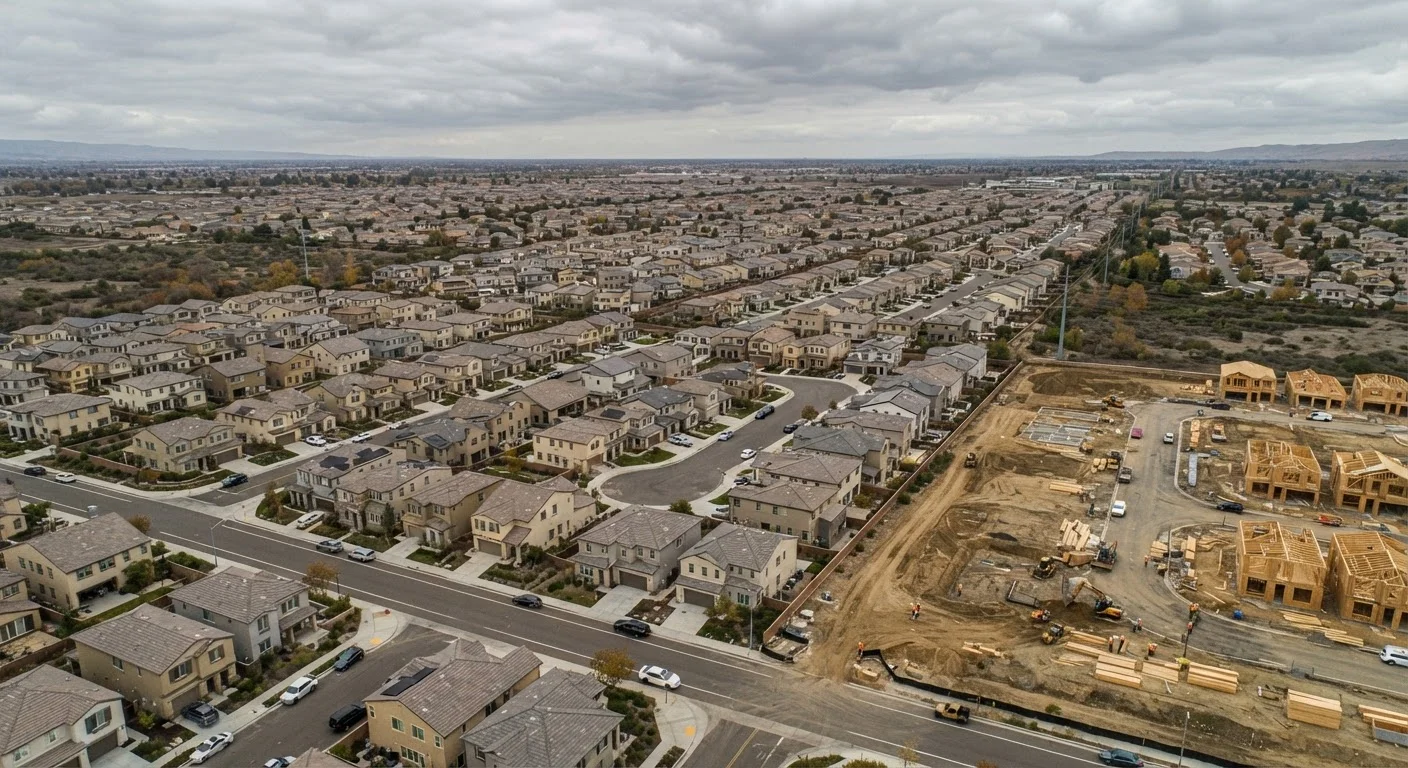
The US housing shortage did not emerge overnight. It built gradually over more than a decade, rooted in the collapse of homebuilding activity that followed the 2008 financial crisis. When the housing bubble burst, construction fell sharply and the industry shed hundreds of thousands of workers. Many never returned to the trades.
Through the early 2010s, builders remained cautious and credit remained tight. New housing starts stayed well below the levels needed to keep pace with population growth and household formation. For context, the US averaged roughly 1.5 million new housing starts per year in the decades before 2008; that figure dropped to around 500,000 to 600,000 annually in the years immediately following the crash.
By the time demand accelerated again - driven by millennials aging into homeownership and low mortgage rates - the supply pipeline was years behind. That structural deficit is the foundation of the shortage readers and buyers experience today. For a broader grounding in how the market works, see our plain-language housing market guide.
What Keeps the Shortage Entrenched
Even as demand for housing became obvious, supply did not simply bounce back. Several structural barriers continue to limit how quickly new homes can reach the market.
Zoning and land use restrictions are among the most significant. Local governments across the country have adopted rules - often called single-family zoning - that prohibit multi-family construction on large swaths of residential land. These policies restrict density and slow the addition of units in areas where demand is highest.
Construction costs and labor availability compound the problem. The cost of lumber, concrete, and other materials has been volatile, and the skilled labor force needed to build homes - carpenters, electricians, plumbers - remains smaller than it was before 2008. Higher costs mean fewer projects are financially viable to build, particularly at lower price points.
Financing and regulatory delays also extend timelines. Permitting, environmental review, and infrastructure requirements can add years to a project's timeline before a single unit is occupied.
~500K-600K
Annual housing starts in the early post-crisis years
Compared to a pre-2008 average of roughly 1.5 million starts per year, construction activity collapsed and remained depressed through the early 2010s.
1.5M-5M+
Estimated US housing unit deficit
Credible estimates from housing researchers and institutions such as Freddie Mac and the National Association of Realtors place the cumulative shortage in this range, depending on methodology.
~10 years
Duration of consistent underbuilding
From roughly 2008 to the late 2010s, the US built far fewer homes than household formation required, creating a deficit that compound over time.
Together, these forces mean that even when conditions improve, the pipeline from policy change to finished home is measured in years, not months. Local zoning and migration patterns shape how acutely the shortage plays out in different regions.
What the Shortage Means for Prices and Affordability
The most direct consequence of too few homes is upward pressure on prices and rents. When more buyers compete for fewer listings, sellers hold leverage. When vacancy rates fall in rental markets, landlords can raise rents with little pushback. Both dynamics have been visible across most major US metros.
The shortage also interacts with mortgage rates in important ways. When rates rise, some would-be sellers stay put - reluctant to give up a low fixed-rate mortgage - which tightens for-sale inventory further even as demand slows. This dynamic, sometimes called the "lock-in effect," has kept active listings low in many markets. For a deeper look at this mechanism, see how mortgage rates shape the broader housing market.
Renters bear particularly acute pressure. When buying becomes unaffordable, more households remain renters longer, intensifying competition for rental units. Those looking for practical strategies can explore how to find affordable housing in a tight rental market.
Demographic Demand Is Not Slowing Down
The supply side of the equation is only half the story. Demand for housing has remained structurally elevated, driven by demographic forces that are unlikely to reverse quickly.
The largest generation in US history - millennials - moved through peak household-formation years during a period of constrained supply, creating intense competition for starter homes. Meanwhile, Baby Boomers have largely remained in place rather than downsizing, keeping existing inventory off the market. Remote work has also redistributed demand geographically, sending buyers into smaller metros that previously had balanced supply.
Demographic shifts are quietly restructuring who wants what kind of home - and where, adding another layer of complexity to an already strained market.
This article is for general informational purposes only and does not constitute financial, investment, or legal advice. Readers should consult a qualified professional for guidance specific to their circumstances.