
Why Listings Are Built to Impress, Not Inform
Online product listings are commercial documents. They are written by marketing teams whose goal is to generate a purchase, not to give you a complete, balanced picture of what you're buying. Understanding that distinction is the foundation of smarter shopping.
This doesn't mean listings are deceptive by default - many are straightforward and accurate. But even honest listings are selective. They foreground strengths, use aspirational language, and routinely omit specifications that wouldn't help the sale. Once you internalize that framing, you stop reading listings as neutral product descriptions and start reading them as arguments you need to evaluate.
For a broader look at how to research unfamiliar products, see our guide to evaluating products you can't test in person.
The Language Patterns Worth Questioning
Certain phrases show up in listings precisely because they sound meaningful without committing to anything specific. Training yourself to spot them turns vague copy into a checklist of follow-up questions.
- "Premium quality" / "professional grade" - What material, rating, or certification supports this? Without one, it's an unsupported claim.
- "Easy to assemble" / "simple setup" - How many steps? What tools are required? These phrases often paper over complexity.
- "Compatible with most devices" - Which ones specifically? "Most" excludes some, and you need to know if yours is in that group.
- "Lightweight" - Lighter than what? The actual weight in ounces or grams is what matters.
Our companion article on reading between the lines of a product description goes deeper on specific copy phrases and what they typically signal.
Listings Vary Across Platforms
The same product can appear with different descriptions, images, and spec details depending on where it's sold. A listing on one retail platform may include details that are entirely absent on another. Always check the manufacturer's own product page as an additional reference point, since third-party sellers often write their own copy rather than reproducing verified manufacturer information.
Applying These Practices to Your Next Purchase
The practices below apply across product categories - from electronics and appliances to furniture and apparel. They're habits that take seconds to build into your listing review and can prevent expensive mismatches between what you expected and what arrives.
Treat adjectives without measurements as placeholders, not facts.
Words like 'large,' 'heavy-duty,' and 'ultra-thin' mean different things to different sellers. Without a number attached, these descriptors carry no verifiable meaning and are designed to create a favorable impression rather than convey accurate information.
Scan the spec table before reading any marketing copy.
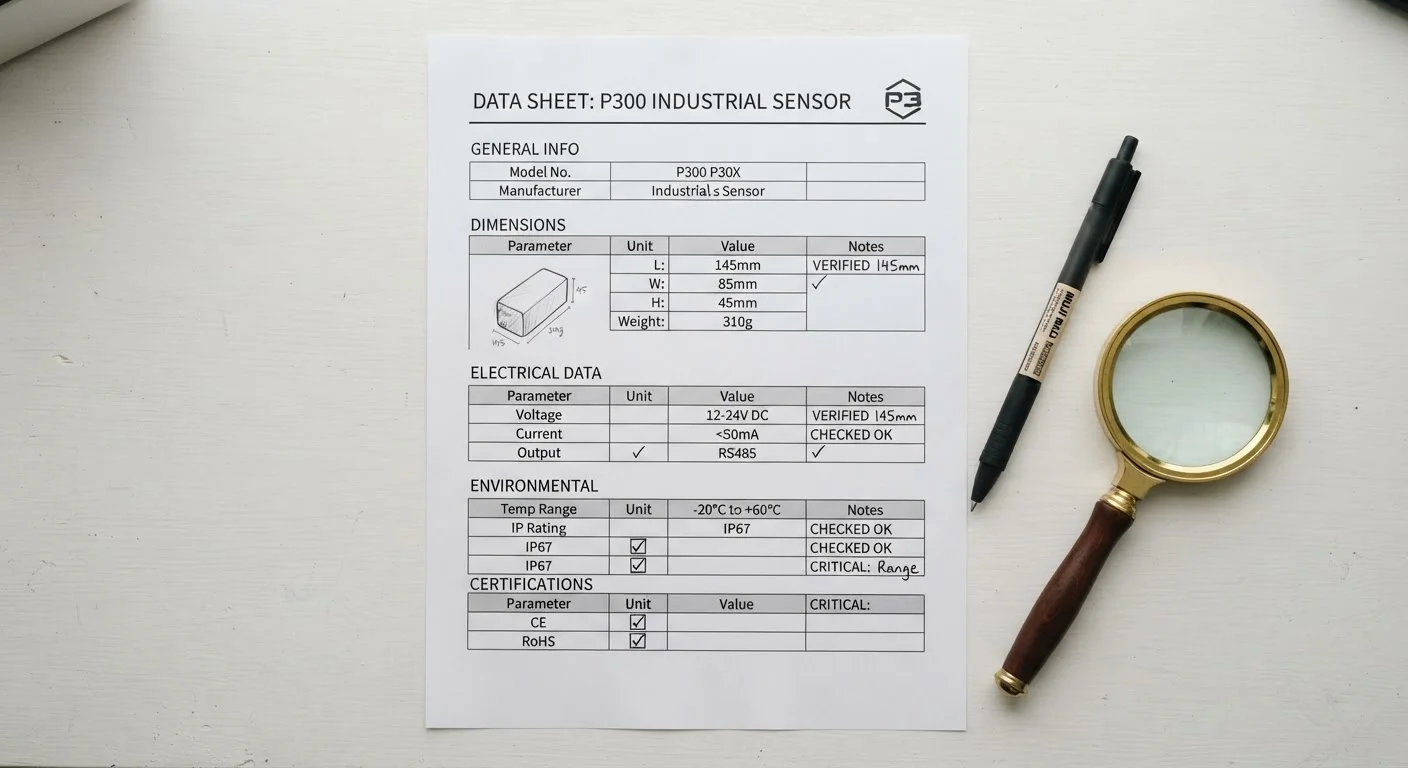
The specification table is where measurable product attributes live: weight, dimensions, wattage, material composition, and compatibility. Reading it first gives you a factual baseline so you can evaluate whether the marketing copy is consistent or inflated.
Note which specs are missing and ask why.
Omitted specifications are rarely accidental. When a listing for a power tool leaves out amperage, or a fabric description skips thread count, those gaps often point to figures that wouldn't impress a comparison shopper. Treating absences as signals - not oversights - makes you a more critical reader.
Zoom in on product images and count them.
Images reveal construction details, seams, material texture, and hardware that copy glosses over. Listings with only one or two glamour shots often lack images of the back, bottom, or interior - angles that would show wear points, material thinness, or assembly quality.
Cross-reference the listing against the manufacturer's own page.
Third-party sellers sometimes modify product descriptions, omit compatibility warnings, or use outdated images. The manufacturer's page is the authoritative source for verified specs, warranty terms, and intended use cases.
Check the return policy and warranty terms before committing.
These details reveal how confident a seller is in what they're selling. Restrictive return windows, restocking fees, or the absence of any manufacturer warranty are risk signals that the listing description alone won't surface.
For help decoding the specification tables themselves, our guide to reading a product specification sheet explains what individual spec categories mean and how to identify gaps.
Quick Actions You Can Take Right Now
You don't need to overhaul your entire research process. A few targeted habits - applied consistently - will meaningfully sharpen how you read any listing going forward.
It's also worth knowing that product label claims on physical packaging follow a different (and often more regulated) set of rules. See our article on what product labels are actually telling you for that perspective.