What Mulch Actually Does for Your Garden
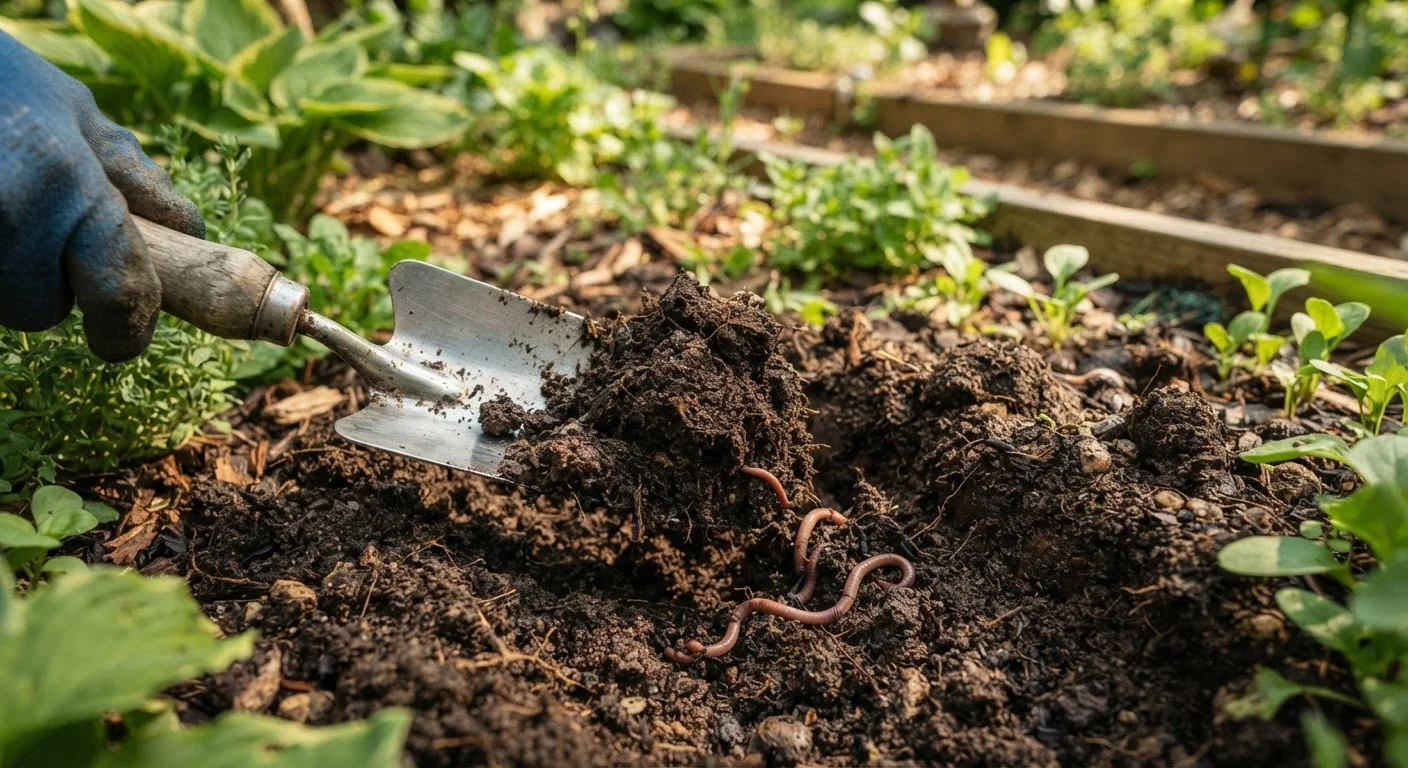
Mulch is any material spread over the soil surface to protect and improve it. The word sounds simple, but mulch quietly performs several jobs at once: it slows evaporation so the soil holds moisture longer, moderates soil temperature during heat waves and cold snaps, blocks sunlight that weed seeds need to germinate, and - when it's the organic kind - gradually breaks down to feed soil microbes and improve soil structure.
If you've ever noticed how a forest floor stays moist and crumbly even in dry weather, you've seen natural mulching at work. Fallen leaves and decomposing wood are essentially what gardeners replicate when they spread mulch. Understanding this connection makes it easier to choose and apply the right material. For a deeper look at what's happening below the surface, see how soil composition affects plant health.
Start Mulching Before Weeds Emerge
Apply mulch in early spring before soil temperatures warm enough for weed seeds to sprout. This timing takes maximum advantage of mulch's light-blocking properties, reducing the weed population before it establishes rather than trying to smother weeds that are already growing.
Organic vs. Inorganic Mulch: Know the Difference
All mulches fall into one of two broad categories, and the distinction matters for how you garden.
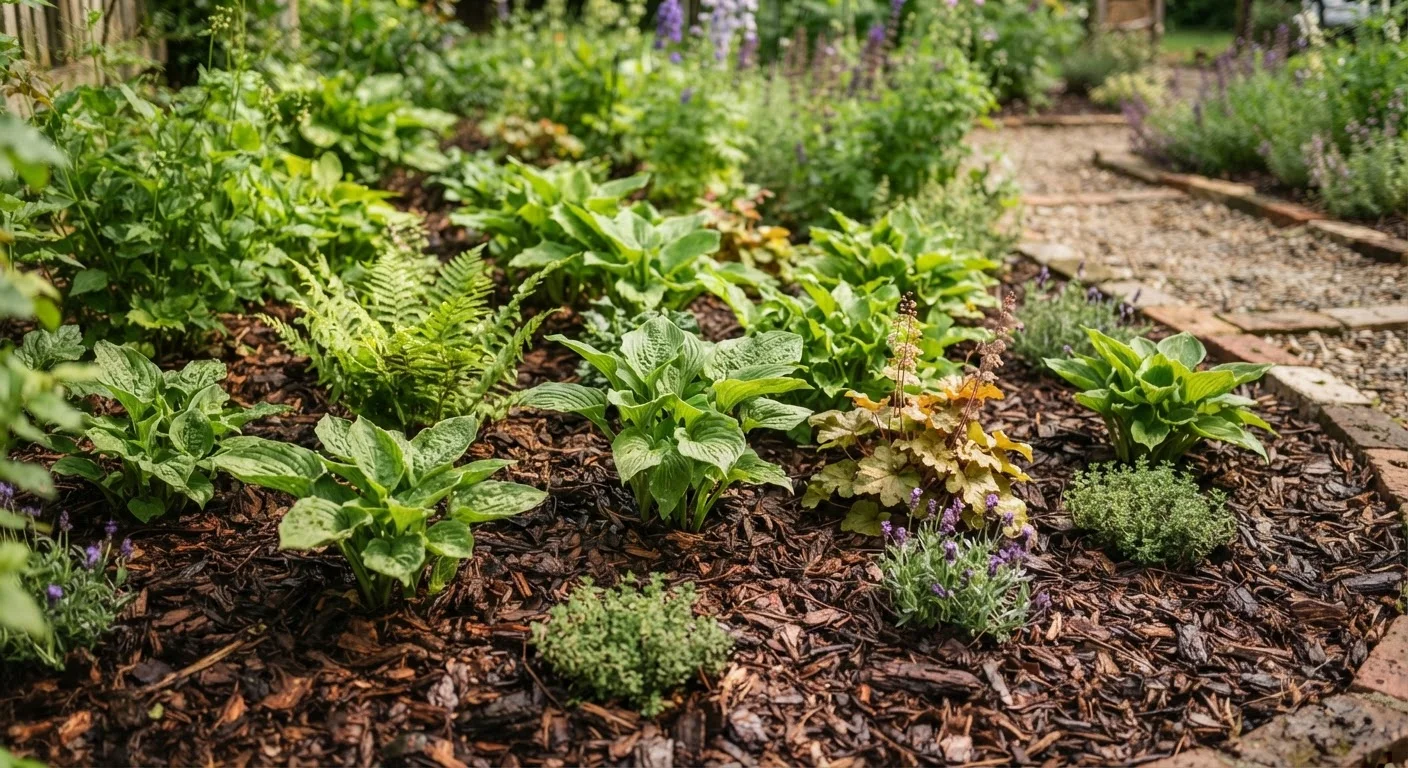
Organic mulches - wood chips, shredded bark, straw, compost, and shredded leaves - are derived from plant or animal matter. They decompose over months and years, adding organic material to the soil and feeding beneficial organisms. The tradeoff is that they need periodic topping up as they break down.
Inorganic mulches - gravel, crushed stone, landscape fabric, and rubber crumb - don't decompose, so they last much longer without refreshing. However, they contribute nothing to soil health and can sometimes interfere with drainage or beneficial soil organisms if applied over large areas.
For vegetable beds and actively growing perennial borders, organic mulches are almost always the better choice. Inorganic options work well in low-maintenance areas, pathways, or around permanent landscape features where soil feeding isn't a priority.
Common Mulch Types and When to Use Each
Choosing a specific material depends on your goals, your plants, and what's locally available.
- Wood chips and shredded bark: Long-lasting and widely available. Best around trees, shrubs, and perennial beds. Avoid using fresh, uncomposted wood chips directly around edible crops, as they can temporarily tie up nitrogen as they break down.
- Straw: Lightweight and inexpensive. Excellent for vegetable gardens because it doesn't mat, allows water to pass through easily, and breaks down in a single season. Note: straw is different from hay, which can contain weed seeds.
- Shredded leaves: A free resource for most homeowners. Run them over with a lawn mower before applying so they don't mat together and repel water.
- Compost: Doubles as a soil amendment. A one-to-two inch layer around vegetables and annuals feeds plants as it breaks down. Because compost is nutrient-rich, it works better as a thin top-dressing than a deep mulch layer.
- Gravel or crushed stone: Ideal for Mediterranean-style plantings, succulents, and pathways. Drains quickly and warms the soil, which some plants prefer.
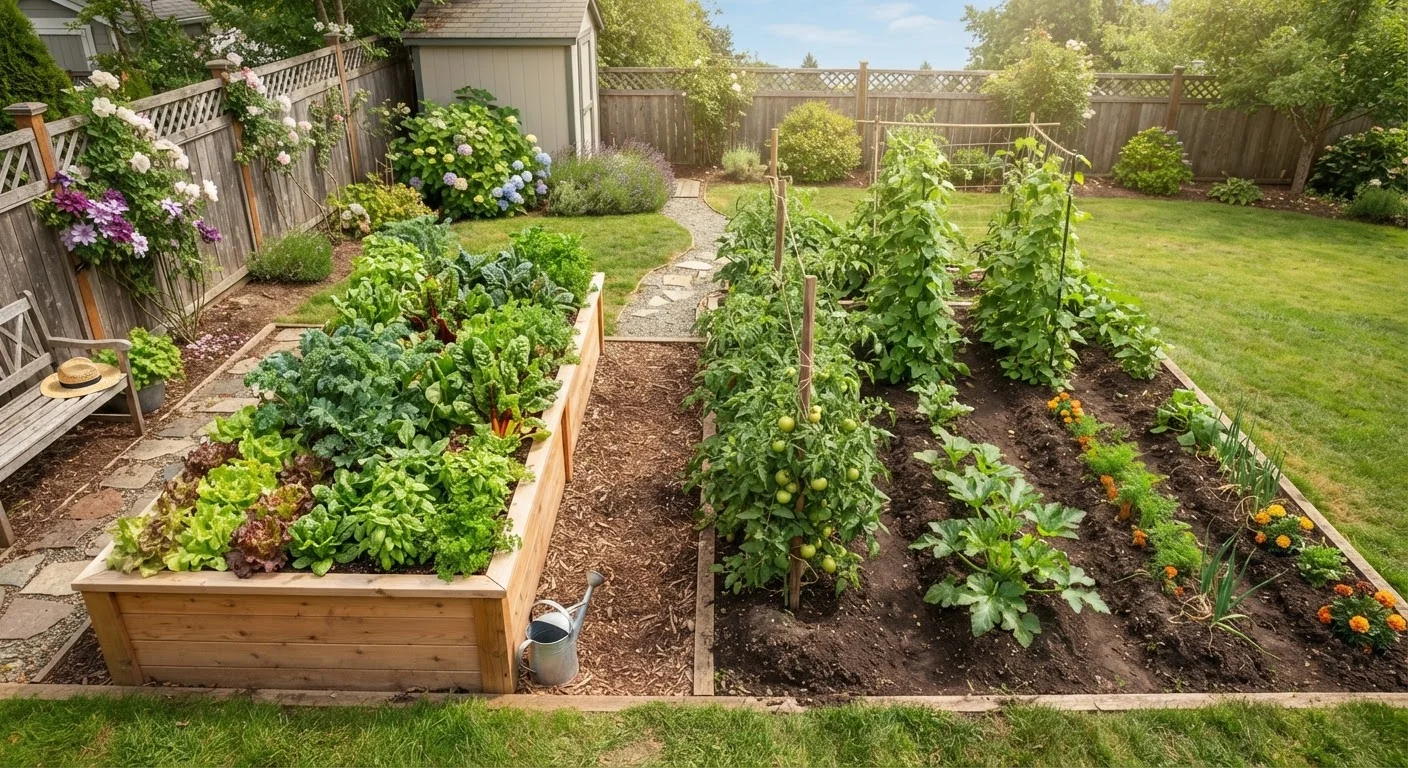
Pairing the right mulch with the right planting setup matters too. If you're deciding between raised beds and in-ground planting, the raised beds vs. in-ground guide covers how each approach affects soil and moisture management.
How Deep to Apply Mulch
Depth is one of the most common places gardeners go wrong - both too little and too much cause problems.
Too Much Mulch Suffocates Roots
Applying mulch deeper than four inches can restrict oxygen exchange in the soil, essentially suffocating plant roots. It can also create a thick mat that repels water rather than directing it into the soil. Stick to two to three inches and resist the urge to keep piling on more each season without checking what's already there.
The general guideline most extension programs recommend is two to three inches for most organic mulches. This is deep enough to suppress weeds and retain moisture, but shallow enough to allow rain and irrigation to reach plant roots. Fine-textured materials like compost or shredded leaves can mat when applied deeper than two inches, reducing their permeability. Coarser materials like wood chips can go up to three inches without issue.
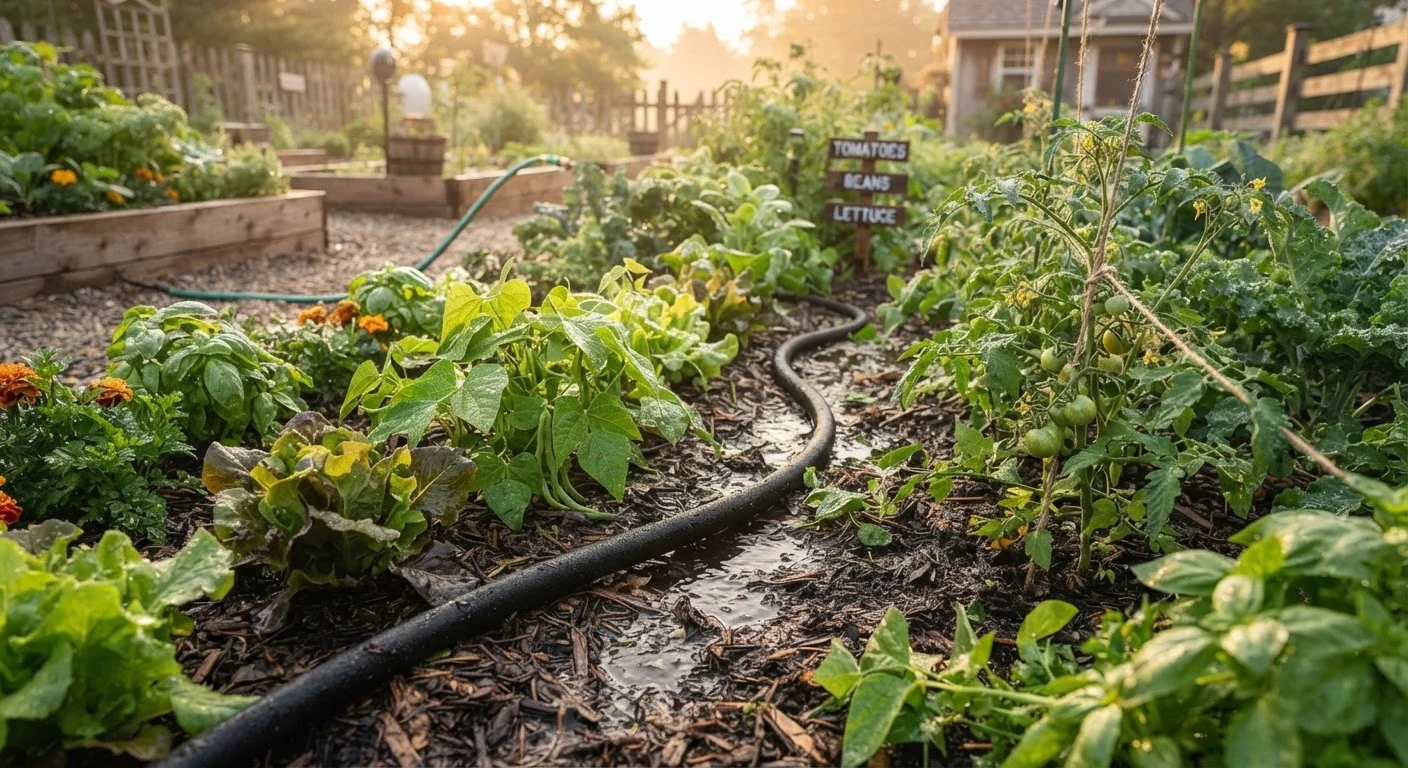
Mulching well also reduces how often you need to water. See how to time and calibrate your garden watering to get the most out of moisture-retaining mulch.
Where Mulch Goes - and Where It Shouldn't
Apply mulch to the entire planting area out to the drip line - the outer edge of a plant's canopy - for trees and large shrubs. For garden beds, a continuous layer across the whole bed works better than small rings around individual plants, since it protects the full root zone.
Where mulch should not touch:
- Plant stems and crowns: Keep mulch at least two to three inches away from the base of any plant. Mulch piled against stems traps moisture and encourages rot and fungal disease.
- Tree trunks: The classic "mulch volcano" - a mound piled high against a trunk - is one of the most common landscaping mistakes. It can girdle (strangle) roots and invite pests and disease. Keep mulch three to six inches back from the trunk flare.
- Waterlogged areas: Adding mulch to spots that already drain poorly can worsen anaerobic conditions in the soil.
Mulch and Lawn Areas Don't Mix
Mulch is designed for planting beds, not lawn grass. Applying it over turf smothers the grass and creates bare patches. If you're unsure whether a practice is helping or hurting your lawn, see common lawn care myths explained for evidence-based guidance.
When and How Often to Refresh Mulch
Organic mulch decomposes - that's what makes it valuable - but it also means the layer thins over time. Plan to top up most organic mulches once a year, typically in spring before the growing season or in fall to protect soil over winter. Before adding fresh mulch, check the existing depth; if you still have one to two inches, a light top-up is all that's needed.
Signs that your mulch needs attention include visible bare soil, matted layers that repel water, or evidence that the material has broken down into a dark, soil-like layer. That bottom layer is actually a bonus - it's becoming compost and can simply be worked lightly into the soil before adding fresh mulch on top.
Inorganic mulches like gravel rarely need replacing, but they may need raking to redistribute material or occasional weeding where organic debris has collected on top and allowed weed seeds to sprout. Keeping a tidy, properly maintained mulch layer is one of the most efficient steps you can take for a lower-maintenance yard.
When using wood chip mulch near edible gardens, choose chips that have been aged or composted for at least a few months. Fresh chips can temporarily tie up soil nitrogen as microbes break them down, which may slow plant growth during the decomposition process.
Nitrogen drawdown from fresh wood chips is a well-documented phenomenon. Aged chips have already undergone much of this process, so they're ready to benefit the soil without competing with plants for nutrients.
Lay a single layer of plain cardboard (remove all tape and staples) directly on weedy soil before spreading mulch on top. This biodegradable barrier smothers existing weeds and breaks down over one season without harming soil organisms.
Sheet mulching with cardboard is a technique widely used in permaculture and organic gardening. It's an effective, chemical-free way to clear persistent weeds before establishing a new bed.