The Five Ingredients in Every Scoop of Soil
Pick up a handful of healthy garden soil and you're holding a surprisingly complex system. At its core, soil is built from five components: minerals, organic matter, water, air, and living organisms.
Minerals - tiny fragments of weathered rock - make up the largest share, roughly 45% of a healthy soil. Organic matter, which includes decomposed plant and animal material, typically accounts for about 5%, but it punches far above its weight in supporting plant health. The remaining 50% is pore space, ideally split evenly between water and air. Roots need both: water carries dissolved nutrients, while air supplies the oxygen roots require to function.
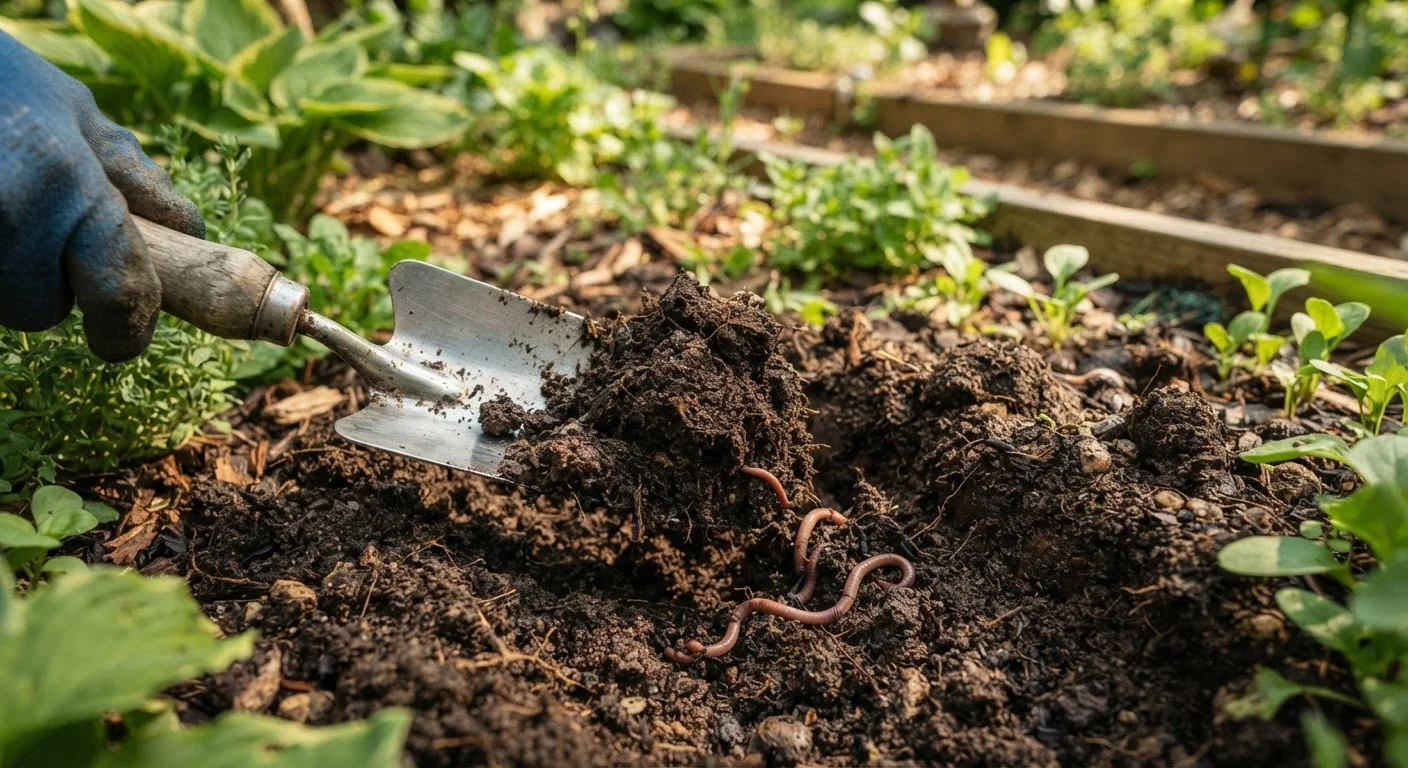
Living organisms are the workforce holding everything together. Bacteria, fungi, earthworms, and insects break down organic material, cycle nutrients, and keep the soil porous. When you damage this community - through over-tilling or heavy chemical use - soil structure can degrade noticeably over time.
~1 billion
Bacteria in a single teaspoon of healthy soil
Soil ecologists estimate that one teaspoon of productive garden soil can contain close to a billion bacteria, representing thousands of species.
5%
Organic matter share in ideal garden soil
While organic matter makes up only around 5% of healthy soil by volume, it has an outsized influence on soil structure, water retention, and nutrient cycling.
6.0-7.0
Optimal pH range for most vegetables
Most vegetable crops perform best within this slightly acidic to neutral pH window, where primary nutrients are most bioavailable to plant roots.
Texture: Sand, Silt, and Clay Explained
Soil texture describes the size of the mineral particles in your ground, and it has a direct effect on how your garden performs. The three particle types are sand (large, gritty), silt (medium, smooth), and clay (tiny, sticky). Most soils contain a mix of all three.
- Sandy soil drains quickly and warms up fast in spring, but it doesn't hold nutrients or moisture well - plants can dry out and go hungry between waterings.
- Clay soil holds water and nutrients effectively but drains slowly, compacts easily, and can suffocate roots when waterlogged.
- Loam - a balanced blend of sand, silt, and a moderate amount of clay - is considered the gardening ideal because it drains well while still retaining enough moisture and nutrients.
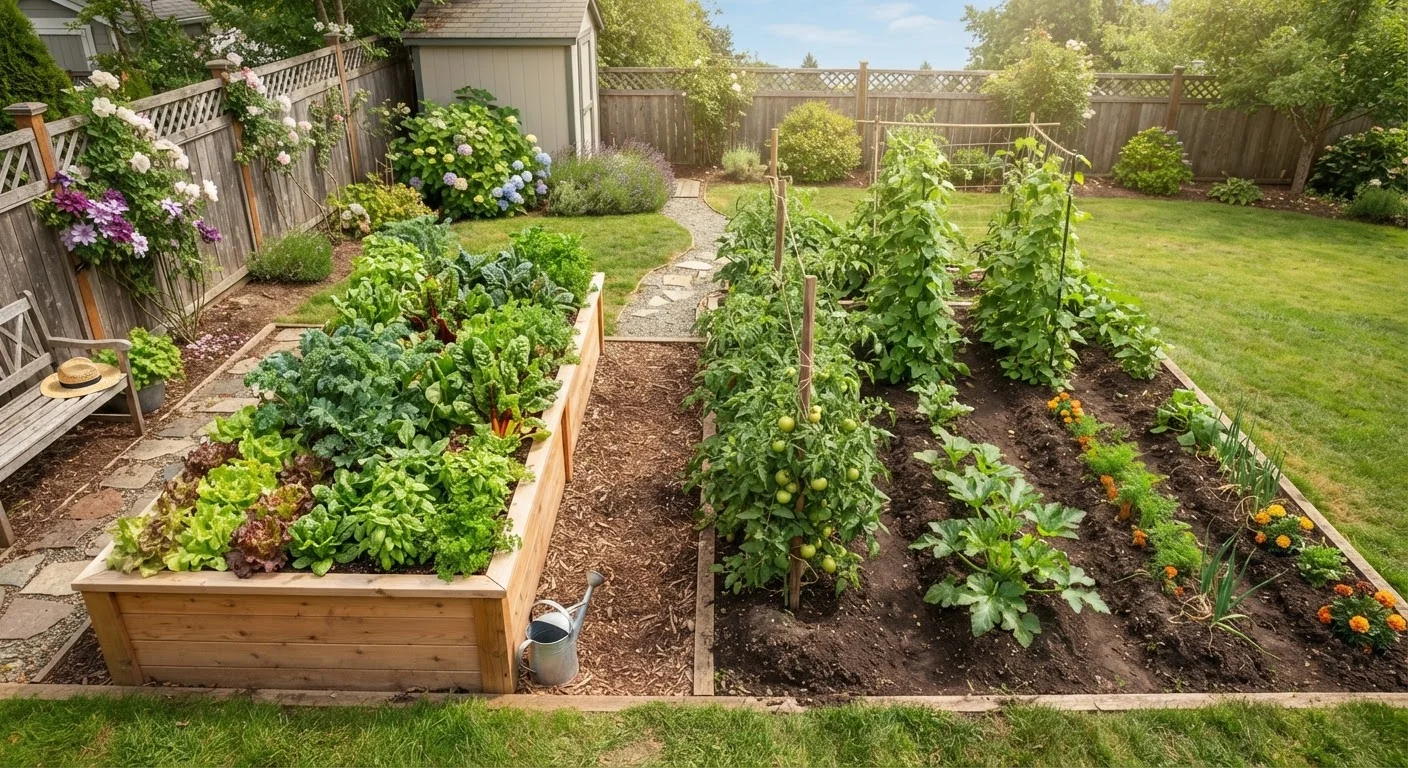
You can get a rough read on your soil's texture at home using the ribbon test described in our FAQ below. For a definitive answer, your local cooperative extension service can run a lab analysis affordably. Whether you're planning in-ground beds or considering alternatives, understanding texture is a prerequisite - see Raised Beds vs. In-Ground Planting for how texture should influence that choice too.
pH: Why Soil Acidity Changes Everything
Soil pH is a measure of acidity or alkalinity on a scale of 0 to 14, with 7 being neutral. Most garden plants thrive somewhere between 6.0 and 7.0. The reason pH matters so much isn't abstract chemistry - it's about nutrient availability. Even if your soil contains adequate iron, manganese, or phosphorus, plants may be unable to absorb those nutrients if the pH is too high or too low.
Common signs of pH problems include yellowing leaves (often a sign of nutrient lockout) and stunted growth despite regular fertilizing. A basic soil test - available at garden centers or through your local extension office - will tell you your pH and point toward fixes. Lime raises pH in overly acidic soil; sulfur lowers it when soil is too alkaline. These adjustments work gradually, so plan ahead rather than expecting instant results.
Organic Matter: The Great Equalizer
If there's one universal improvement for almost any garden soil, it's adding organic matter. Compost, aged manure, and leaf mold all work to improve soil structure regardless of your starting point. In sandy soil, organic matter acts like a sponge, holding moisture and nutrients longer. In clay soil, it creates space between particles, improving drainage and making the ground easier to work.
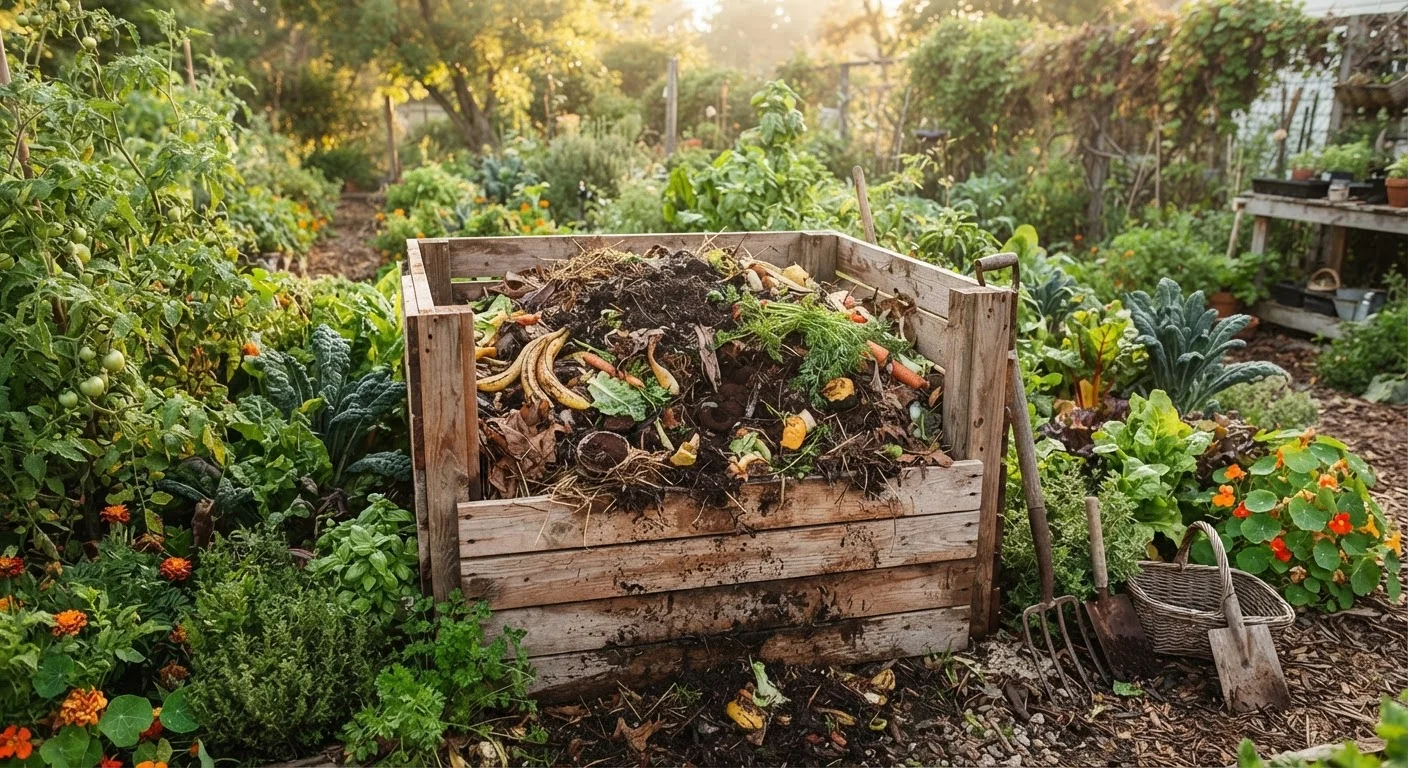
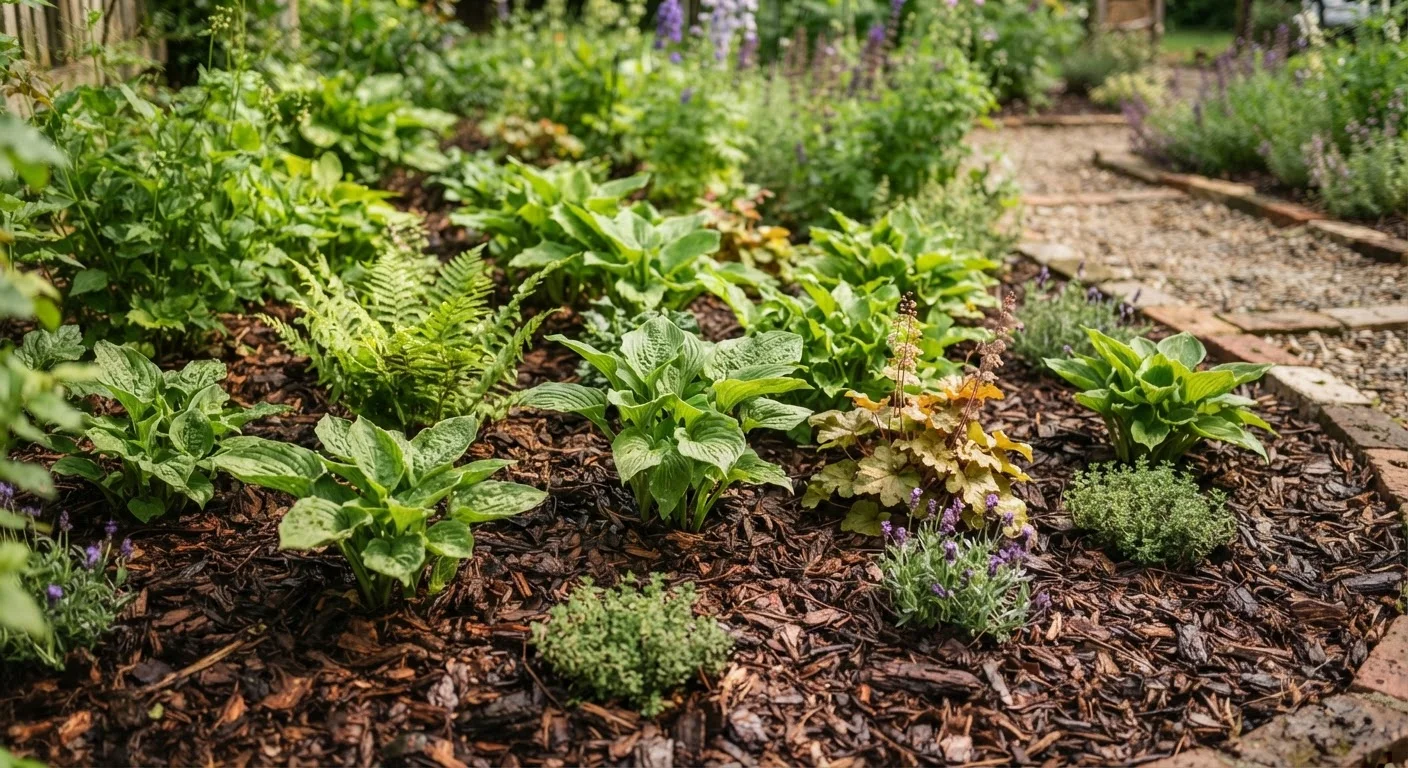
Organic matter also feeds the microbial life that keeps soil healthy and cycling nutrients back to plant roots. A consistent habit of adding compost each season pays compounding dividends. For a practical guide to making your own, see Composting at Home. Pairing compost with a layer of mulch helps retain soil moisture and moderate temperature - explore what mulch does and how to use it for the details.
If you're ready to put this knowledge into action, Starting a Vegetable Garden from Zero walks through the full process of preparing a bed with your soil type in mind.