Choosing the Right Spot
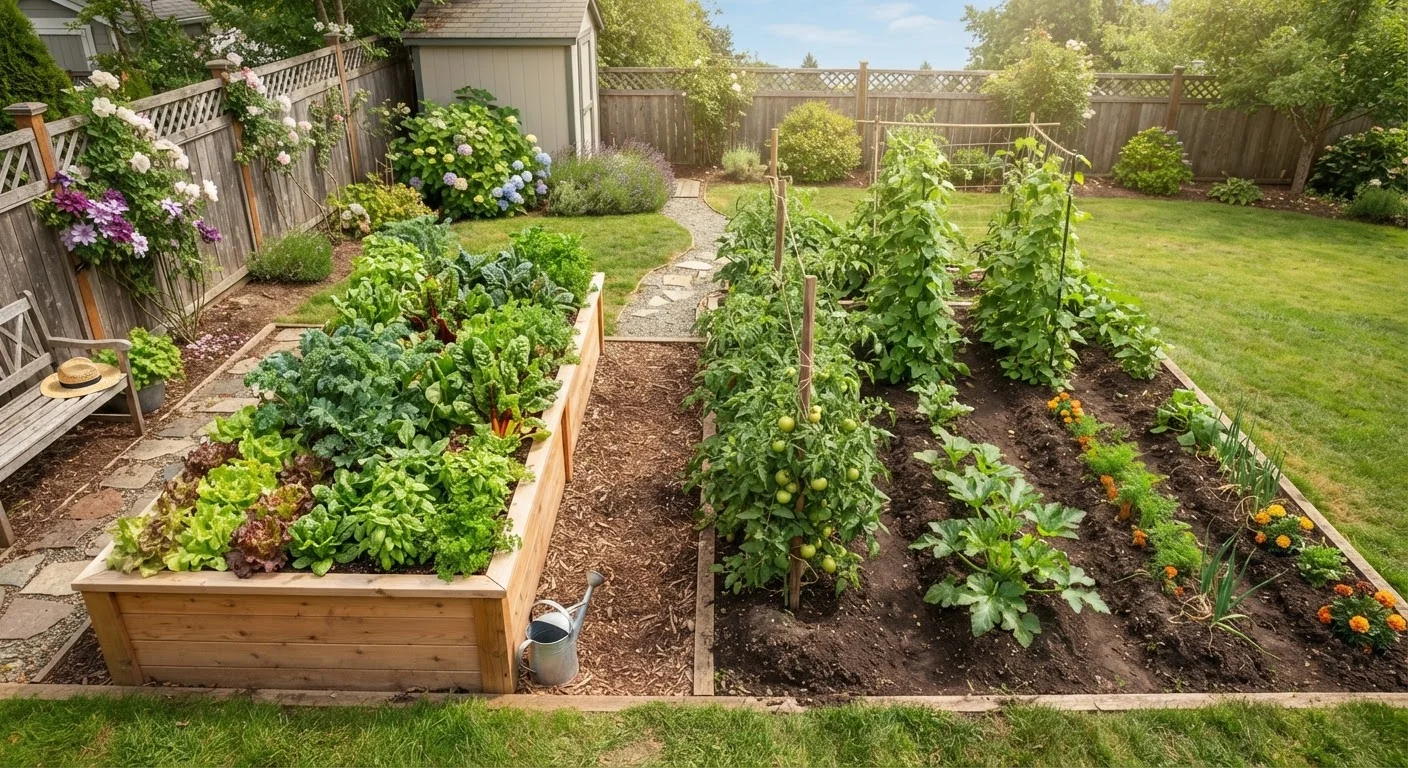
Before buying a single seed, walk your yard on a clear day and observe where sunlight falls. Most vegetables need a minimum of six hours of direct sun daily - eight is better. Shade from trees, fences, or the house itself is the most common reason first gardens underperform.
Beyond sun, look for a spot with reasonably flat ground and access to a water source. Gardens positioned far from a hose or outdoor spigot tend to get watered inconsistently, which stresses plants. Proximity to your kitchen also matters: you're more likely to harvest regularly if the garden is visible and easy to reach.
If your yard is mostly shaded or limited in space, a patio or balcony with large containers can still produce a surprising amount of food. Not sure whether raised beds or in-ground planting suits your situation better? Our guide on raised beds vs. in-ground planting walks through the trade-offs clearly.
Frost date
The average calendar date of the last freezing temperature in spring (or first in fall) for a given location. Used to time planting so cold-sensitive vegetables aren't killed by late frost.
Soil pH
A measure of how acidic or alkaline your soil is, on a scale of 0 to 14. Most vegetables grow best in a slightly acidic to neutral range, roughly 6.0 to 7.0.
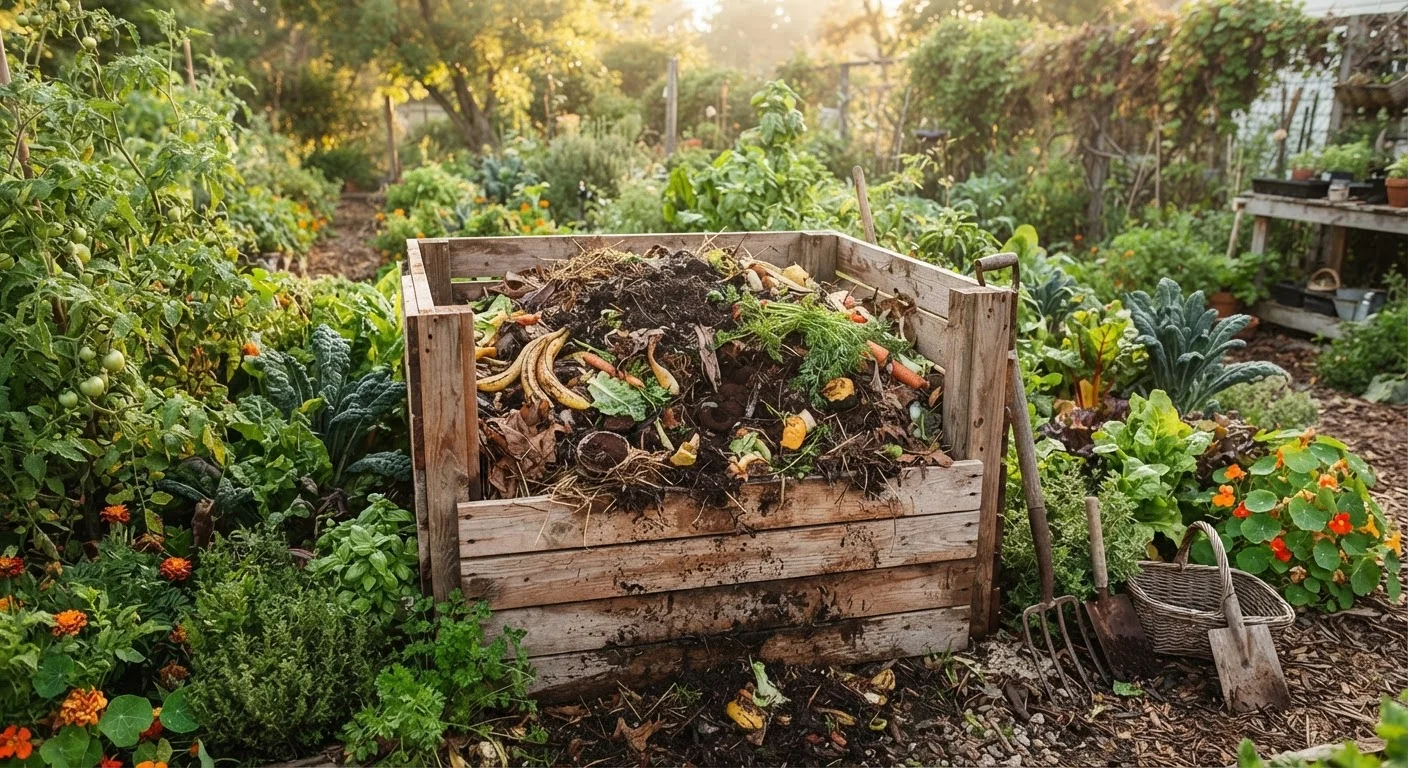
Compost
Decomposed organic material - food scraps, leaves, plant trimmings - that enriches soil with nutrients and improves its texture and drainage.
Direct sow
Planting seeds directly into garden soil outdoors, rather than starting them in pots indoors first. Many vegetables, like beans and carrots, prefer this method.
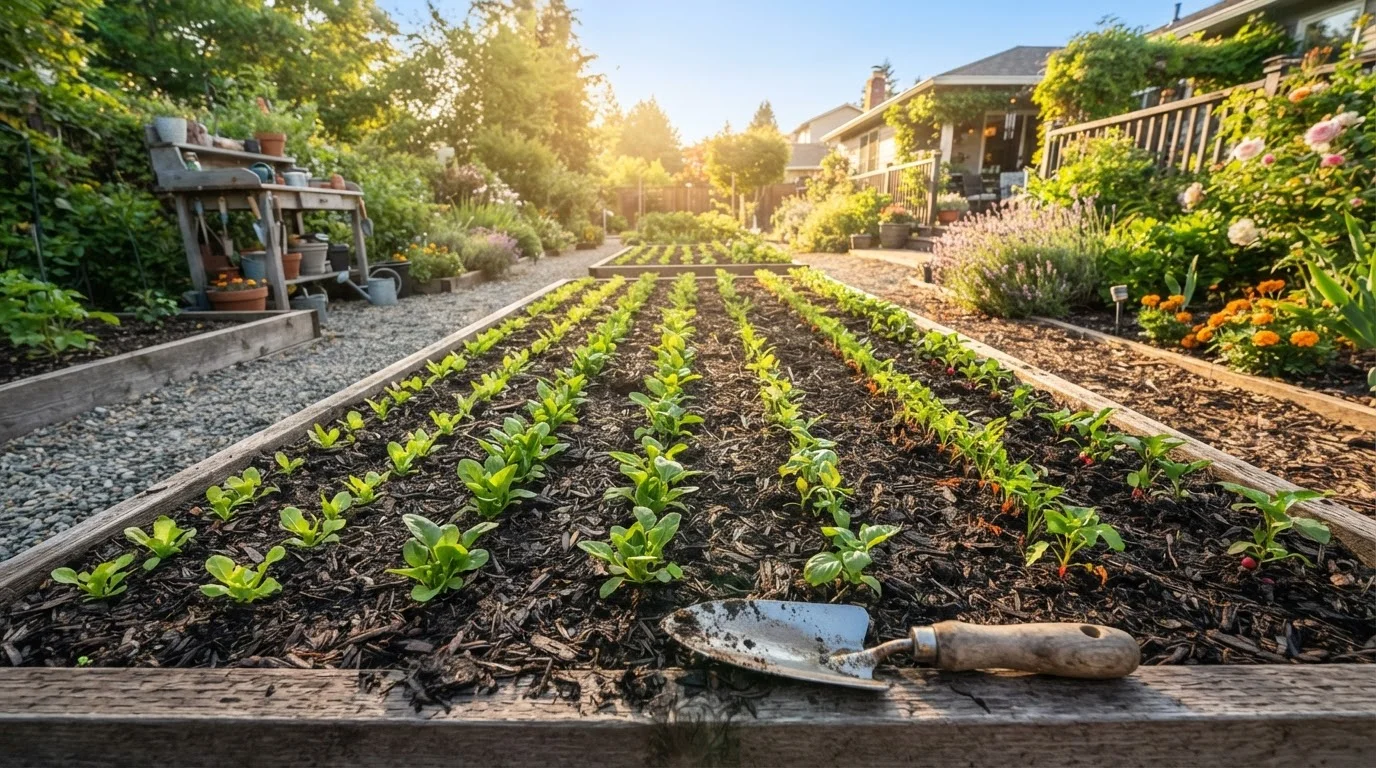
Mulch
A layer of material - straw, wood chips, or leaves - spread on the soil surface around plants to suppress weeds, retain moisture, and regulate soil temperature.
Amendment
Any material mixed into soil to improve its structure, drainage, or nutrient content. Compost is the most common and widely useful amendment for vegetable gardens.
Understanding and Preparing Your Soil
Soil is the foundation of everything. Vegetables grow best in loose, well-draining soil with plenty of organic matter. Compacted, clay-heavy soil suffocates roots; sandy soil that drains too fast leaves plants thirsty. Most yards fall somewhere in between and benefit from amendment before planting.
The simplest improvement you can make is working compost into the top 8 to 12 inches of your planting area. Compost improves drainage in clay soils, helps sandy soils retain moisture, and feeds soil organisms that support plant health. If you want to build a free, ongoing supply of compost from your own kitchen and yard waste, see our guide to composting at home.
A basic soil pH test - available at most garden centers - tells you whether your soil is too acidic or alkaline for vegetables, which prefer a range of roughly 6.0 to 7.0. Lime raises pH; sulfur lowers it. Your local cooperative extension service can offer region-specific soil guidance for free or low cost.
Picking Your First Vegetables
Resist the urge to grow everything at once. A focused first garden teaches you far more than an ambitious one. Choose two to four crops, prioritizing those with a track record of forgiving beginners.
- Radishes - ready in as few as three weeks; fast results keep you engaged.
- Lettuce and salad greens - cut-and-come-again varieties provide weeks of harvest from a small space.
- Bush beans - direct-sow, require little support, and produce steadily.
- Zucchini - extremely productive; even one plant keeps a household supplied through summer.
- Cherry tomatoes - more forgiving than large slicing varieties; great for first-timers wanting fruit.
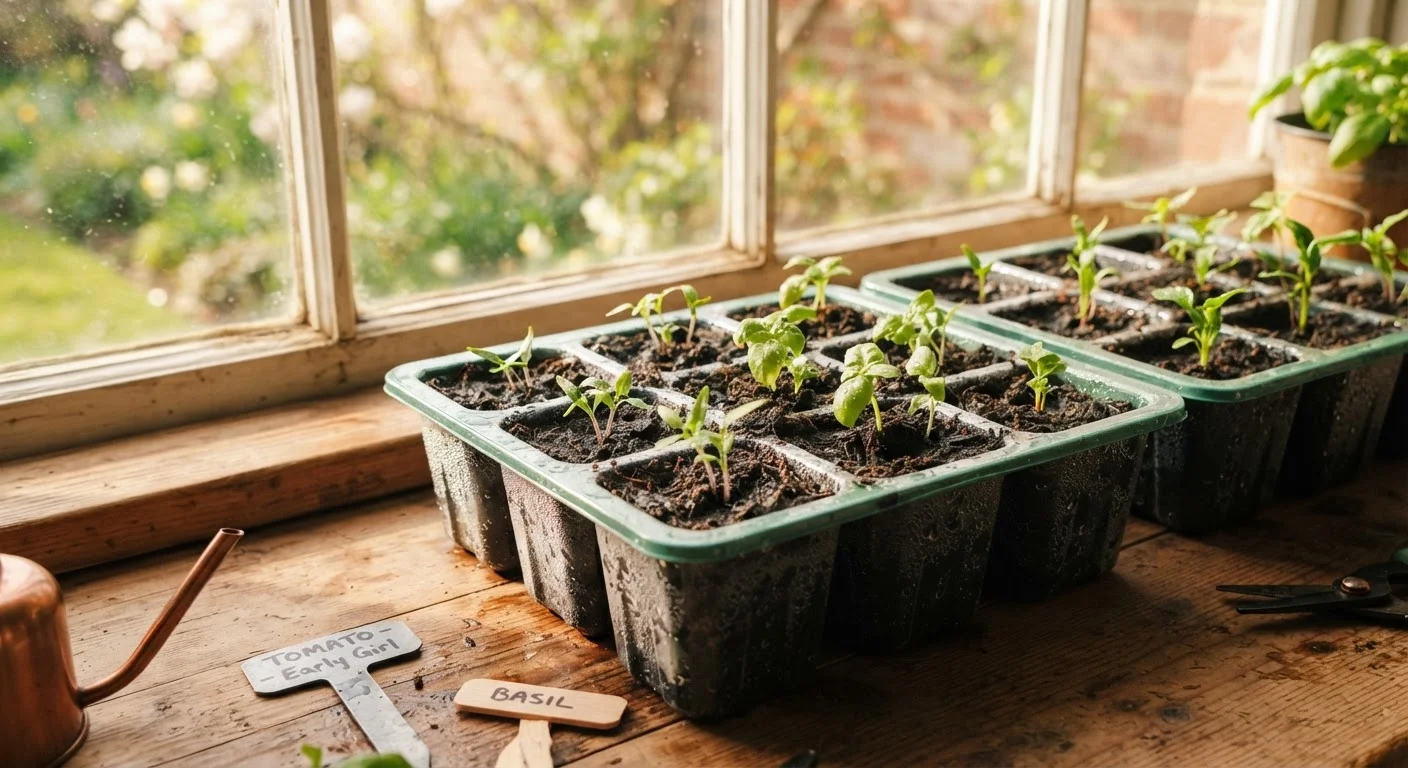
Check seed packets or plant tags for your area's frost dates. Cool-season crops (lettuce, radishes, peas) go in early spring. Warm-season crops (tomatoes, beans, zucchini) wait until nighttime temperatures stay consistently above 50°F. If you want to start seeds indoors before the last frost, our indoor seed-starting guide covers the setup step by step.
Planting, Watering, and Basic Care
Follow spacing guidelines on seed packets - crowded plants compete for light, water, and nutrients, and are more prone to disease. A common beginner mistake is planting too densely because seedlings look small at first.
Water deeply and less frequently rather than shallowly every day. Deep watering encourages roots to grow downward, making plants more resilient during dry spells. For most gardens, about one inch of water per week is a reasonable target. Our companion article on garden watering frequency and technique explains how to read plant signals and avoid the two most common mistakes: overwatering and underwatering. If you're considering setting up a more systematic approach, drip irrigation vs. sprinkler systems compares both options side by side.
Weed regularly, especially in the first month. Weeds compete aggressively with young plants and are much easier to remove when small. A thin layer of mulch - straw, wood chips, or shredded leaves - placed around plants suppresses weeds, retains soil moisture, and keeps roots cooler in summer heat.
Label Everything You Plant
Simple plant markers - even a popsicle stick with a permanent marker - save significant confusion as seedlings emerge and begin to look similar. Note the crop name and planting date. This habit also helps you track what worked and what to change next season.
Common Beginner Mistakes to Avoid
Most first-garden disappointments trace back to a handful of predictable errors. Knowing them in advance saves you a season of frustration.
- Planting in too much shade
- Even partial shade dramatically reduces yields. When in doubt, choose the sunniest spot available.
- Overplanting
- A 4-by-8-foot bed is genuinely enough for a first season. Large gardens that become overwhelming often get abandoned by midsummer.
- Skipping soil prep
- Digging in compost before planting is the single highest-return task in the entire season. Don't skip it.
- Inconsistent watering
- Feast-or-famine watering causes blossom drop in tomatoes and bitter lettuce. Steady moisture matters more than perfection.
- Ignoring plant tags and spacing
- Spacing exists for a reason. Crowded plants invite fungal disease and produce less.
Starting a vegetable garden is one of the more rewarding home projects a new homeowner can take on. If you're just getting comfortable with property upkeep in general, our home improvement foundation guide offers a useful parallel framework for building skills project by project.