Why Ecological Pest Control Works
Most home gardeners reach for a spray bottle at the first sign of chewed leaves. It's understandable - but it often makes things worse. Pesticides, including many marketed as organic, are broad-spectrum: they kill harmful insects and helpful ones alike, disrupting the natural checks and balances your garden depends on.
An ecological approach treats your garden as a living system. When that system is in balance - with diverse plants, rich soil, and a variety of insects present - pest populations rarely reach crisis levels. Predators keep prey in check; stressed plants attract fewer opportunistic feeders; and healthy soil supports plant immune responses. The goal isn't eliminating every pest. It's maintaining a garden where damage stays manageable without chemical intervention.
This approach works best when built into your garden from the start, not bolted on as damage control. That means making deliberate choices about what you plant, how you water, and how you manage the space around your beds. See our companion planting guide for plant pairings that add another layer of natural protection.
Think in Seasons, Not Crises
Ecological pest control builds resilience gradually. A garden managed this way for two or three seasons typically sees fewer and less severe pest outbreaks than one managed reactively. Give your system time to stabilize before concluding a strategy isn't working.
What You'll Need Before You Start
Ecological pest control doesn't require specialized equipment, but a few practical tools and resources make the transition smoother.
What you will need
Step-by-Step: Building a Pest-Resistant Garden
Follow these steps to shift your garden toward ecological balance. You don't need to implement everything at once - even a few changes make a meaningful difference.
Assess your current pest and plant situation
Before making changes, spend a week observing your garden closely. Note which plants show damage, what insects you see (harmful and helpful), and where problem spots tend to cluster. This baseline helps you target solutions precisely rather than treating the whole garden indiscriminately.
Improve soil health first
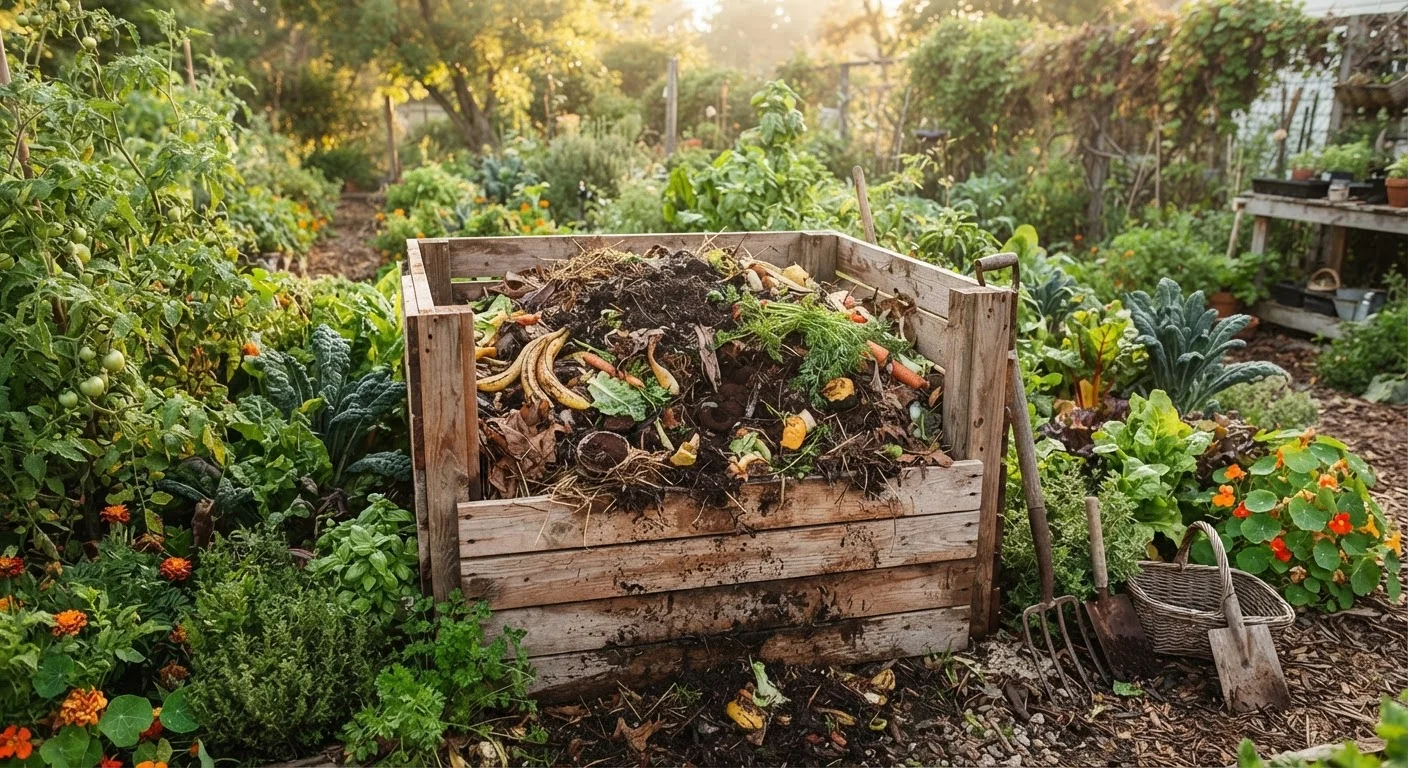
Vigorous, well-nourished plants resist pest damage better than stressed ones. Work compost into your beds before planting and top-dress established plants each season. Healthy soil supports beneficial soil organisms that also suppress pest populations below ground, including fungus gnats and some caterpillar species.
Increase plant diversity
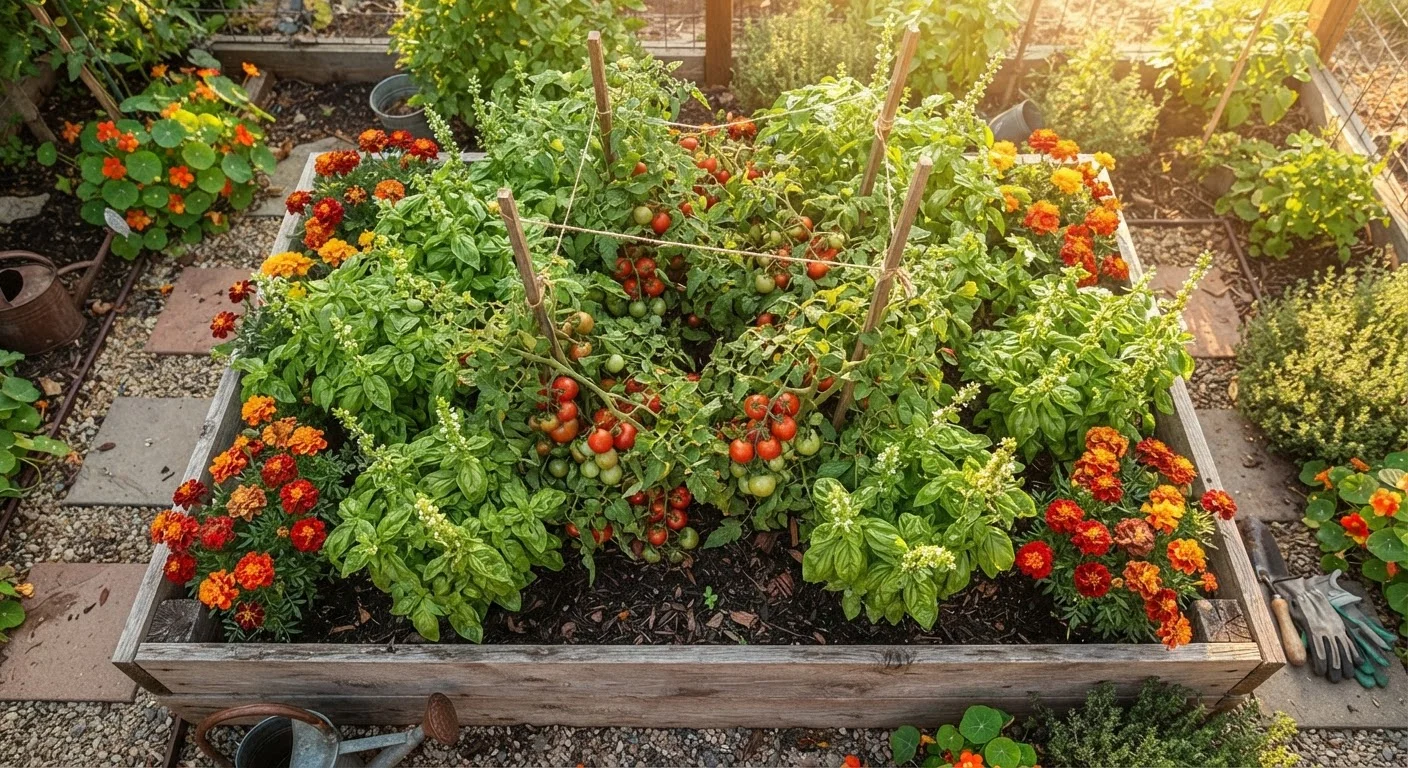
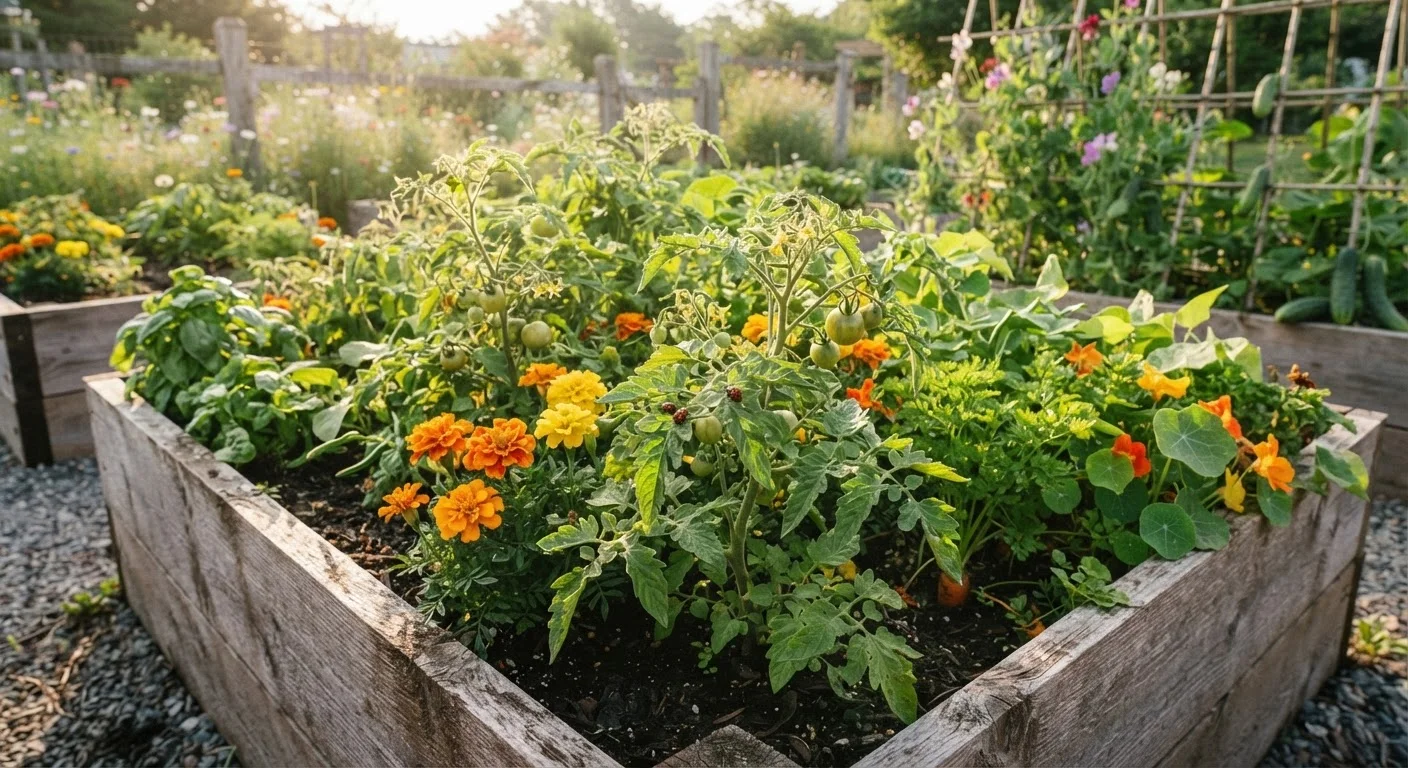
Monocultures - large patches of a single plant - are easy targets for specialist pests. Mix flowering plants, herbs, vegetables, and native species throughout your beds. Diversity confuses pest insects that locate hosts by smell, and it provides habitat and nectar for a wider range of beneficial predators and parasitoids. For a deeper look at how plant selection affects your garden's ecosystem, see our article on native vs. ornamental plants.
Install physical barriers on vulnerable crops
Row cover fabric (a lightweight, breathable material draped over hoops) keeps flying pests - including cabbage moths, carrot flies, and aphid-carrying insects - off plants entirely. Secure edges with soil or clips so pests can't slip underneath. Use copper tape around containers or raised bed edges to deter slugs and snails, which receive a mild deterrent signal from the metal.
Attract and support beneficial insects
Ladybugs, lacewings, hoverflies, ground beetles, and parasitic wasps are among the most effective natural pest controllers available. You can't simply buy them and release them with lasting effect - the key is creating habitat they choose to inhabit. Plant nectar-rich flowers (particularly those with small, accessible blooms like alyssum, phacelia, and yarrow) near pest-prone crops. Leave some leaf litter or a small brush pile as shelter. Minimize soil disturbance to protect ground beetles.
Use targeted interventions only when necessary
If populations reach a damaging threshold despite other measures, choose the most targeted, least disruptive intervention available. Hand-picking larger insects, spraying aphid colonies off with a firm stream of water, or applying food-grade diatomaceous earth (a powder made from fossilized algae) around slug-prone plants are all options that affect a narrow range of species. Reserve even approved organic sprays as a last resort, applying them in the evening when beneficial insects are least active.
Common Pitfalls and What to Do Instead
Even well-intentioned gardeners make mistakes when switching to natural pest control. The most common is reacting too quickly - seeing aphids and immediately treating, before giving beneficial predators a chance to show up. Aphid populations often crash on their own within one to two weeks once ladybugs and lacewings arrive.
Another pitfall is over-relying on one tactic. Row covers don't help if pests are already in the soil. Companion planting alone won't save a monoculture. Layering multiple strategies - physical barriers, habitat for beneficials, plant diversity, and good soil - creates resilience that no single method can.
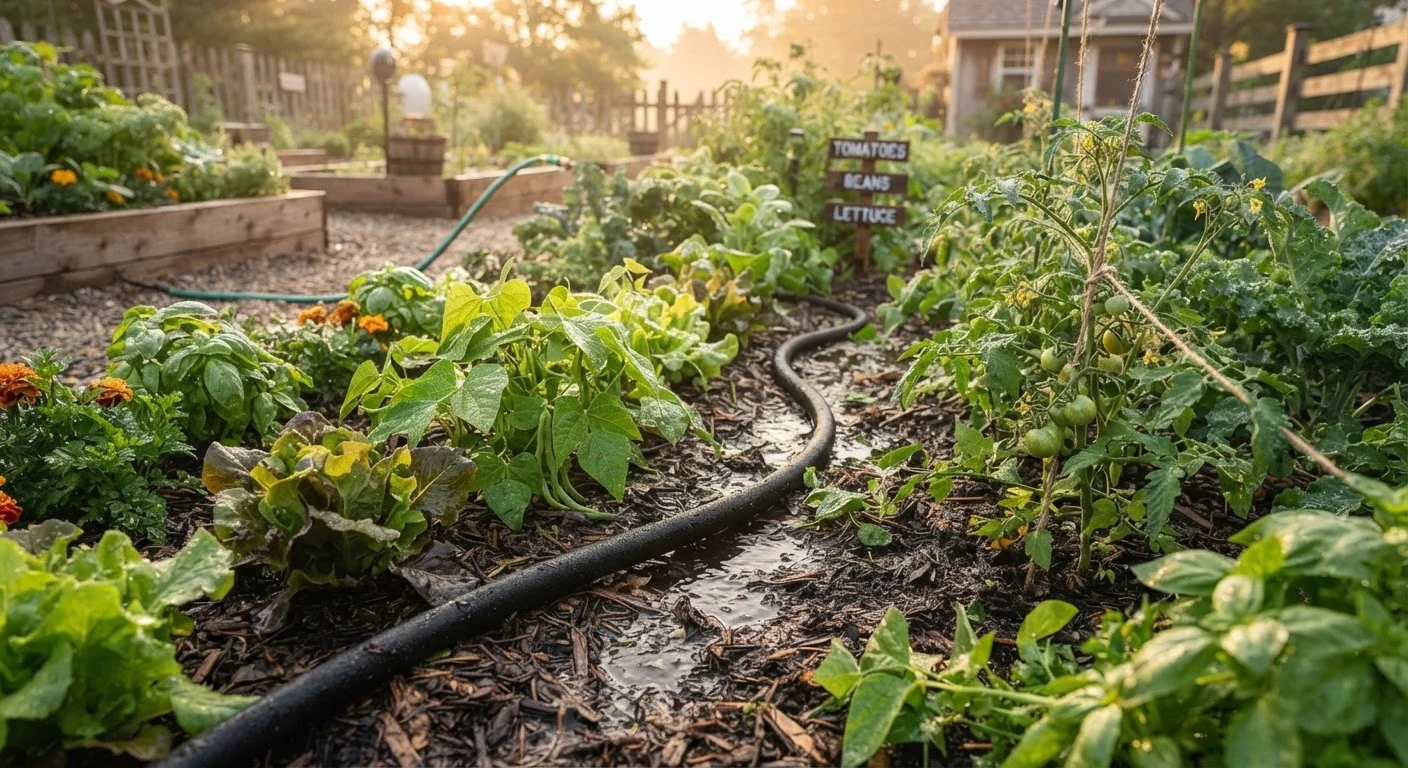
Watering habits also play a role. Overwatering stresses roots and attracts fungus gnats and slugs, while plants stressed by underwatering become more vulnerable to sap-sucking insects. Our guide to garden watering covers how to read your plants' signals and avoid both extremes. Healthy soil is equally foundational - rich, well-draining soil grows stronger plants from the roots up. Learn more about building it through home composting.