What Minimalism Actually Means for a Home
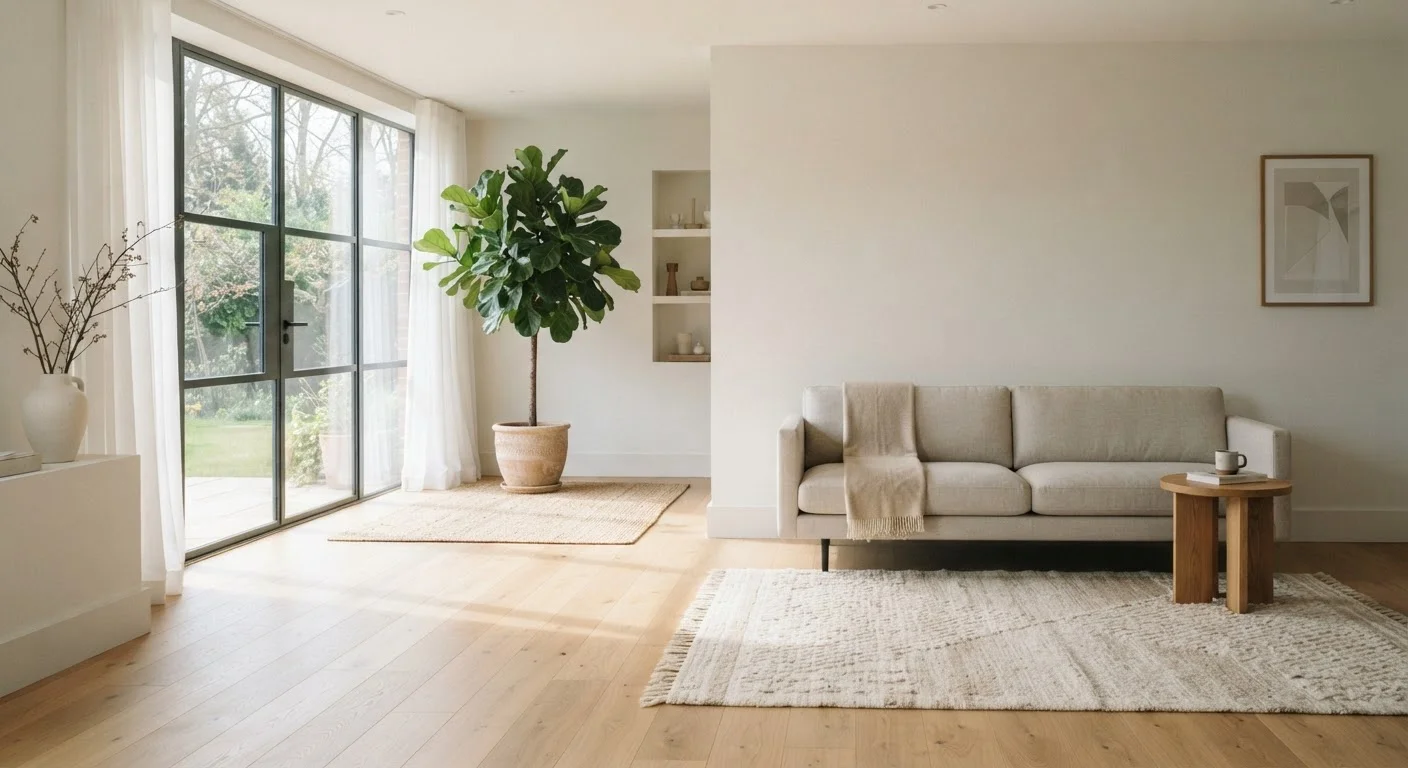
Minimalism, in a home context, means keeping only what you use, need, or genuinely value - and creating systems that prevent accumulation. It's less an aesthetic movement and more a philosophy about how much physical stuff supports a good life. In practice, that might mean a single set of dishes rather than three, a capsule wardrobe, or a living room with two chairs instead of a sectional.
Before weighing the trade-offs, it helps to separate minimalism from mere tidiness. A tidy home has things put away. A minimalist home has fewer things to put away in the first place. That distinction drives most of what follows.
If you're building new organization habits room by room, see our step-by-step guide to building an organization habit - it's a useful complement to any minimalist effort.
The Real Advantages
There are solid, practical reasons minimalism attracts dedicated followers.
Cleaning and tidying takes significantly less time
With fewer objects on surfaces and in storage, wiping down a room or doing a weekly reset becomes a 10-minute task rather than an hour-long project. Less stuff means fewer places for dust and clutter to accumulate.
Easier to find what you actually own
When a home contains only items you use regularly, you stop losing things in excess. A single junk drawer beats five overstuffed ones when you need a pen or a battery.
Lower cognitive load at home
Research in environmental psychology suggests that visual clutter can contribute to feelings of stress and mental fatigue. Reducing it creates an environment where it's easier to rest and focus.
Spending on new items drops naturally
Once you've deliberately reduced what you own, buying something new requires justifying it against your existing inventory. That friction tends to curb impulse purchases without requiring strict budgeting.
Moving or renovating is far less disruptive
Households with fewer possessions find moves quicker, cheaper, and less stressful. Home improvement projects are also easier when there's less to relocate and protect.
Homes with less stuff are also easier to adapt. When every surface isn't occupied, rearranging furniture, deep-cleaning, or making space for a guest doesn't require a half-day operation. Many people report that visual calm - fewer objects competing for attention - has a measurable effect on how relaxed they feel at home, though individual responses vary considerably.
The Honest Disadvantages
The appeal of minimalism is real, but so are its friction points - especially in households that don't fit a simple, solo lifestyle.
You'll occasionally discard something you later need
The regret of getting rid of a useful item is a near-universal minimalist experience. Replacing it costs money and time - sometimes more than it would have cost to store it.
Hosting guests becomes harder without flex items
Extra bedding, folding chairs, and spare towels exist for a reason. A minimalist home may lack the redundancy that makes accommodating visitors comfortable and low-stress.
Not well-suited to households with children
Children accumulate gear, toys, artwork, and clothing at a pace that conflicts with strict minimalism. Forcing minimalist standards on a family home can generate ongoing friction rather than calm.
Requires ongoing discipline to maintain
Minimalism isn't a one-time purge - it's a continuous practice. Without consistent habits, a decluttered home can revert within months, making the initial effort feel wasted.
Can feel cold or unwelcoming to some visitors
Sparse rooms that feel serene to the owner can read as sterile or impersonal to guests. Social comfort sometimes depends on familiar visual warmth that minimalism strips away.
Shared living complicates things further. When people with genuinely different tolerances for stuff share a space, rigid minimalism can feel like one person's preferences overriding another's. Our article on organizing shared spaces for different standards explores how to build systems that hold up across different habits.
Where Minimalism Works Best - and Where It Struggles
Minimalism tends to work smoothly for people with stable, predictable routines and limited space constraints - a single professional in a small apartment, for instance, or an empty-nester couple. The lifestyle pays dividends when you can actually maintain it.
It struggles in homes with young children (toys, gear, and creative mess are part of healthy development), active hobbyists (tools, materials, and equipment serve real purposes), or frequent guests who need flexible sleeping and storage arrangements. Applying the same minimalist standards across every room without accounting for function often leads to frustration and eventual rebound clutter.
Minimalism Isn't One-Size-Fits-All
What counts as 'enough' varies by household size, life stage, and personal temperament. A person who works from home has different spatial needs than someone who is rarely there. Before committing to a minimalist standard, it's worth auditing which rooms actually cause you stress versus which work fine as they are. Targeted simplification often delivers more practical benefit than a whole-home overhaul.
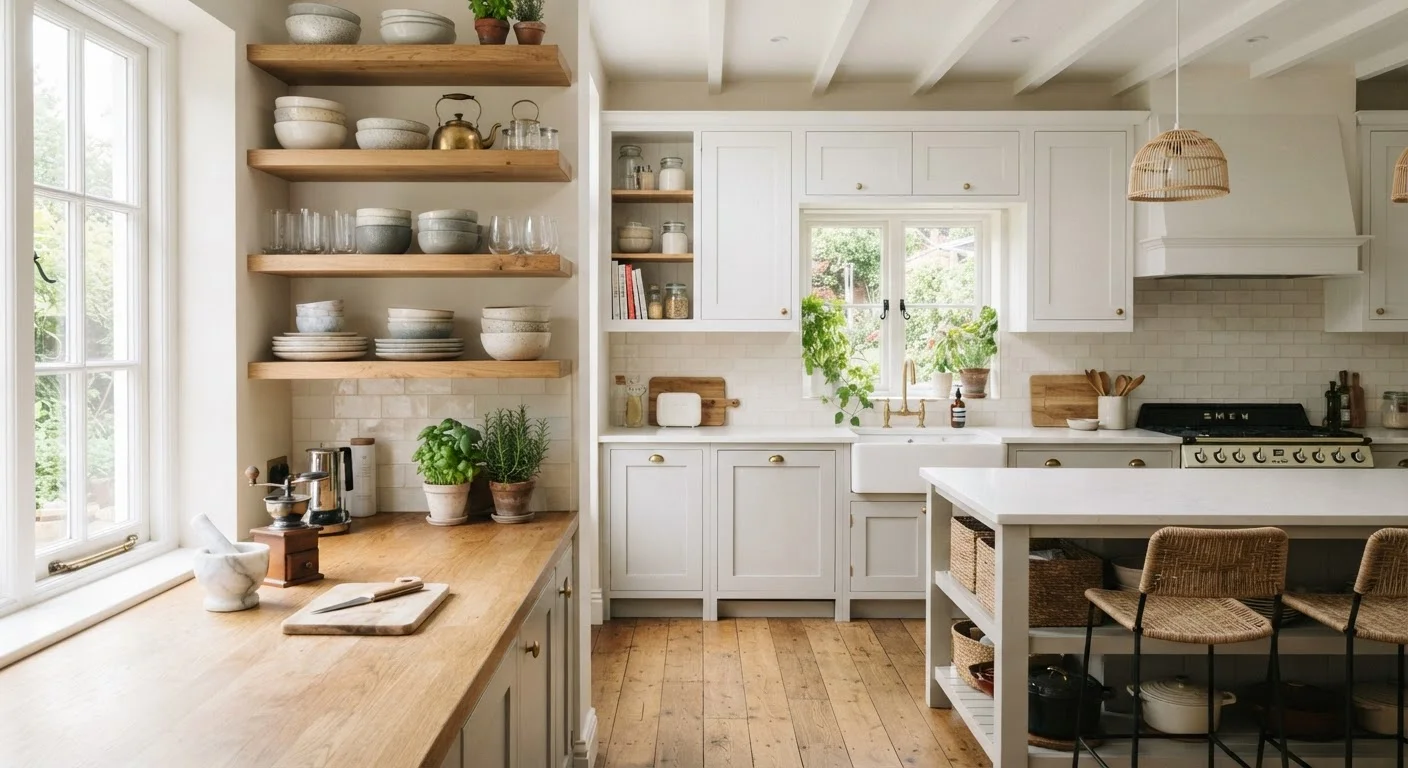
The kitchen is a useful test case. Open shelving - a popular minimalist-adjacent upgrade - looks clean but imposes real upkeep demands. Our breakdown of open shelving versus upper cabinets walks through what that trade-off actually looks like day to day.
A Practical Middle Path
For most households, the value isn't in radical minimalism but in intentional decluttering - removing what genuinely doesn't serve you while keeping what does. That might mean cutting your kitchen gadgets by half rather than down to three, or clearing a bedroom surface rather than clearing the room.
Start with low-stakes areas: bathroom cabinets, pantry shelves, or a single closet. Notice whether removing items creates the calm you were hoping for, or just inconvenience. Let that feedback guide how far you go.
~$18,000
Estimated average household clutter value
According to research cited by professional organizers, the average American home contains roughly this value in unused or rarely used possessions - highlighting how much accumulation happens passively.
40%
Reduction in housework with less clutter
Organizational researchers have estimated that reducing household clutter can cut the time spent on cleaning and tidying by roughly 40%, though results vary by household size and habits.
The goal is a home that supports your actual life - not a curated version of someone else's. Whether that ends up looking minimalist or simply more organized is secondary to whether it works.