The Gap Between What Organization Looks Like and What It Actually Does
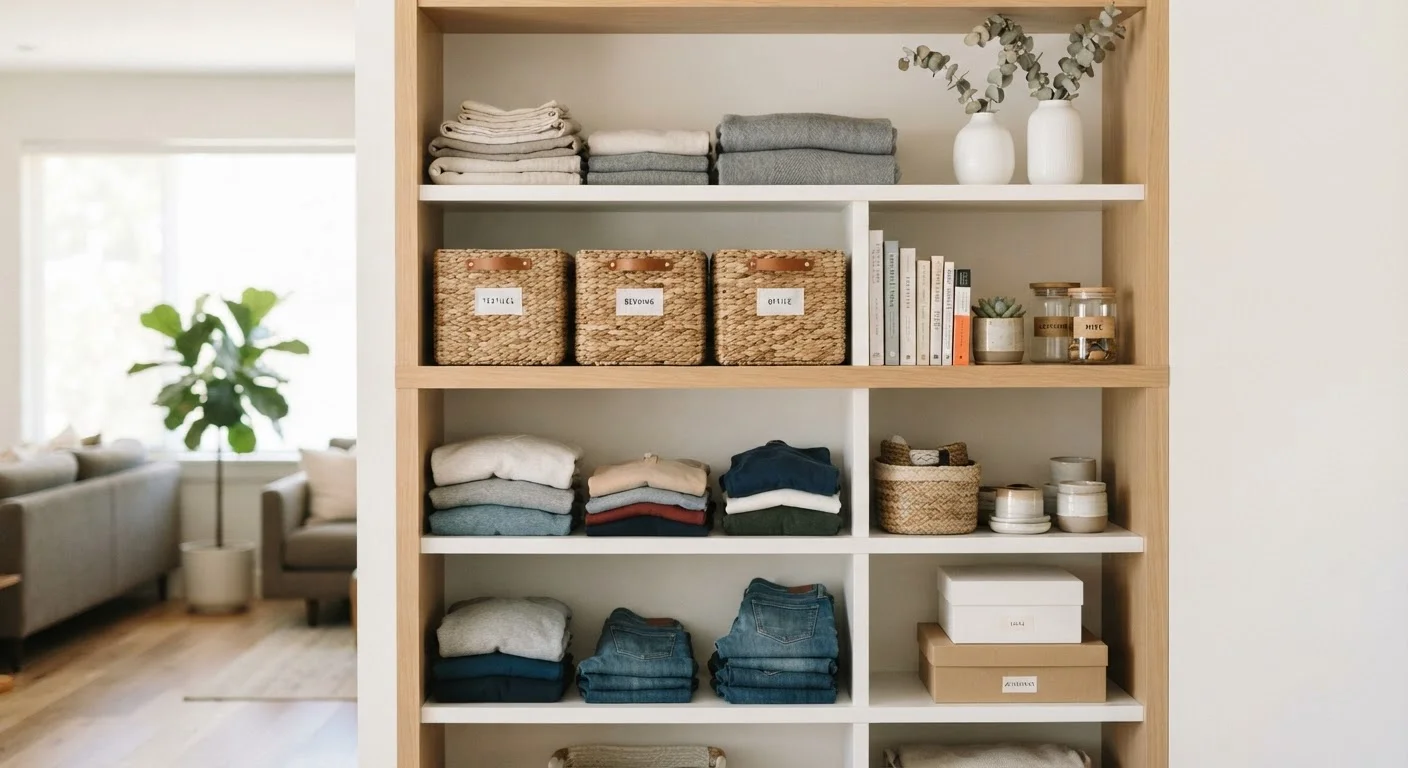
Scroll through any home inspiration feed and you'll find a familiar image: color-coordinated pantries, matching bins with handwritten labels, closets sorted by sleeve length. It's beautiful. It's also an unreliable definition of what organized actually means.
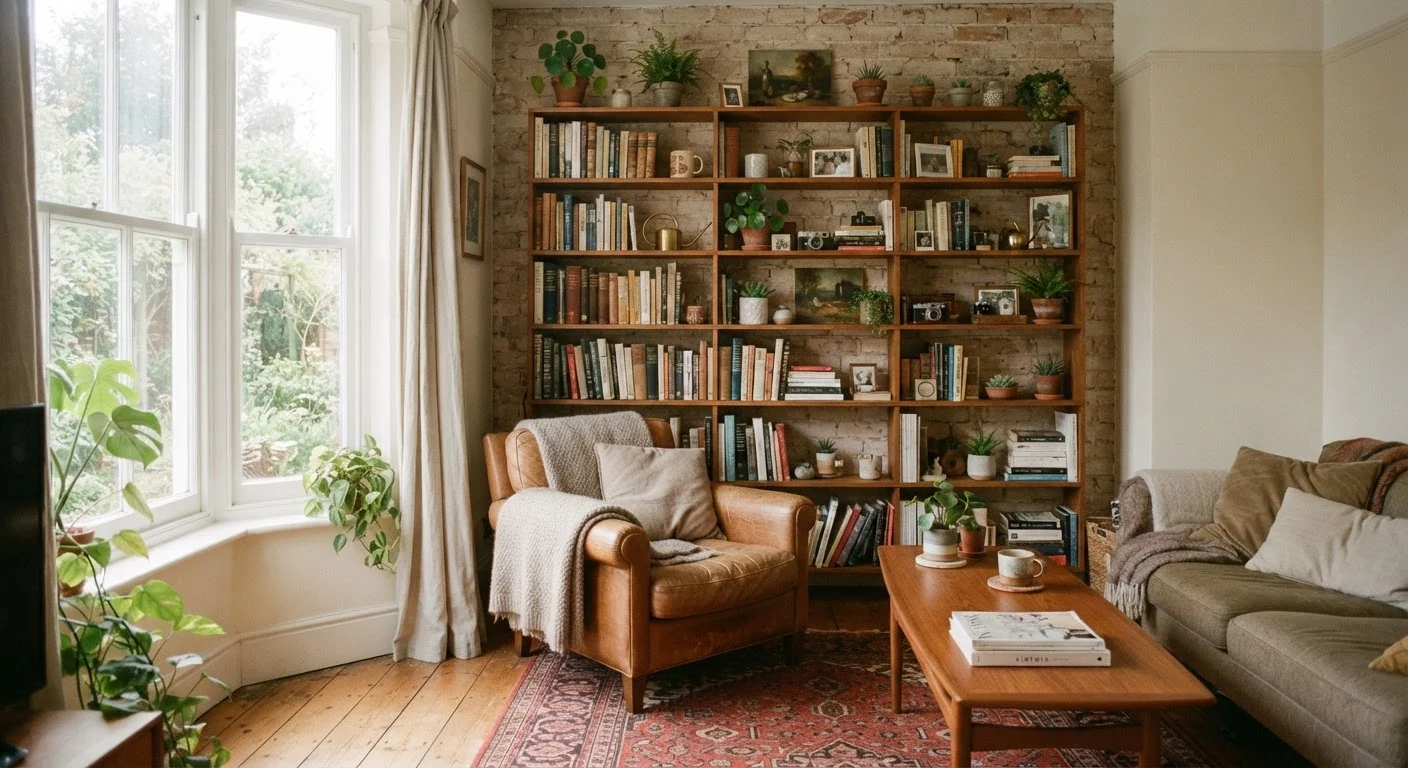
The word organized gets used as though it's synonymous with tidy, minimal, or aesthetically curated. But those are style choices, not functional ones. A home can look immaculate and still leave its occupants spending ten minutes hunting for the scissors. Meanwhile, a kitchen counter that looks cluttered to an outsider might be perfectly organized to the person who cooks there every day - because every item has an intentional place and a clear purpose.
The real definition of organized is quieter: you can find what you need, when you need it, without stress. That's it. The visual outcome is secondary. If your system works - meaning it reduces friction in your daily life, not someone else's - it's organized enough. If it doesn't work, no amount of matching containers will fix it.
Understanding this distinction matters because it changes the goal. Instead of chasing a magazine-worthy result, you start asking a more useful question: Does this space support how I actually live? That shift, small as it sounds, makes the whole project more achievable. For a plain-language breakdown of terms used in home organization, see our Home Organization Terms Decoded reference guide.
Common Myths About Organization - and What's Actually True
Because organization is so often portrayed as an aesthetic achievement, a cluster of stubborn myths has built up around it. These myths set unrealistic expectations, which leads people to either give up before they start or to build systems they can't maintain. Let's clear them up.
Myth
An organized home looks clean and minimal at all times. If your space looks cluttered, it isn't organized.
Fact
Organization is about whether your systems function - not about how a space looks to an outside observer.
Visible clutter and functional disorganization are two different things. A workspace covered in active project materials may be highly organized in the mind of the person using it. Conversely, a bare countertop where nothing has a defined place can leave someone unable to find what they need. Judging organization by appearance alone conflates style with function. What matters is whether the system serves the people living in the space - not whether it photographs well.
Myth
Getting organized requires a big weekend overhaul - you need to do it all at once to see results.
Fact
Small, incremental changes to one area at a time are more durable than large one-time efforts.
The appeal of the dramatic overhaul is real: clear the slate, start fresh, feel in control. But large purges and complete reorganizations done in a single burst rarely stick. Without new habits to support the new systems, spaces tend to drift back to their prior state within weeks. Research on habit formation consistently points to incremental change - small, specific, repeatable actions - as more likely to produce lasting behavior shifts. One organized drawer that you can maintain beats a perfectly labeled closet that collapses in a month.
Myth
If you were really organized, you'd just know where everything is without needing a system.
Fact
Reliable organization depends on external structure, not memory. Good systems reduce the cognitive load - they don't require it.
The idea that organized people simply have better memories or more naturally tidy instincts is a myth that discourages many people from even trying. The truth is the opposite: effective organization offloads the need to remember. When everything has a designated place, you don't need to remember where you put something - you put it back where it belongs and retrieve it without thinking. Systems work precisely because they remove reliance on memory. Building structure isn't a workaround for being disorganized; it's what organized people actually do.
Myth
You need matching storage containers and labeled bins to be truly organized.
Fact
Matching containers can be helpful visually, but they're not required for a functional system - and they can actually create barriers to entry.
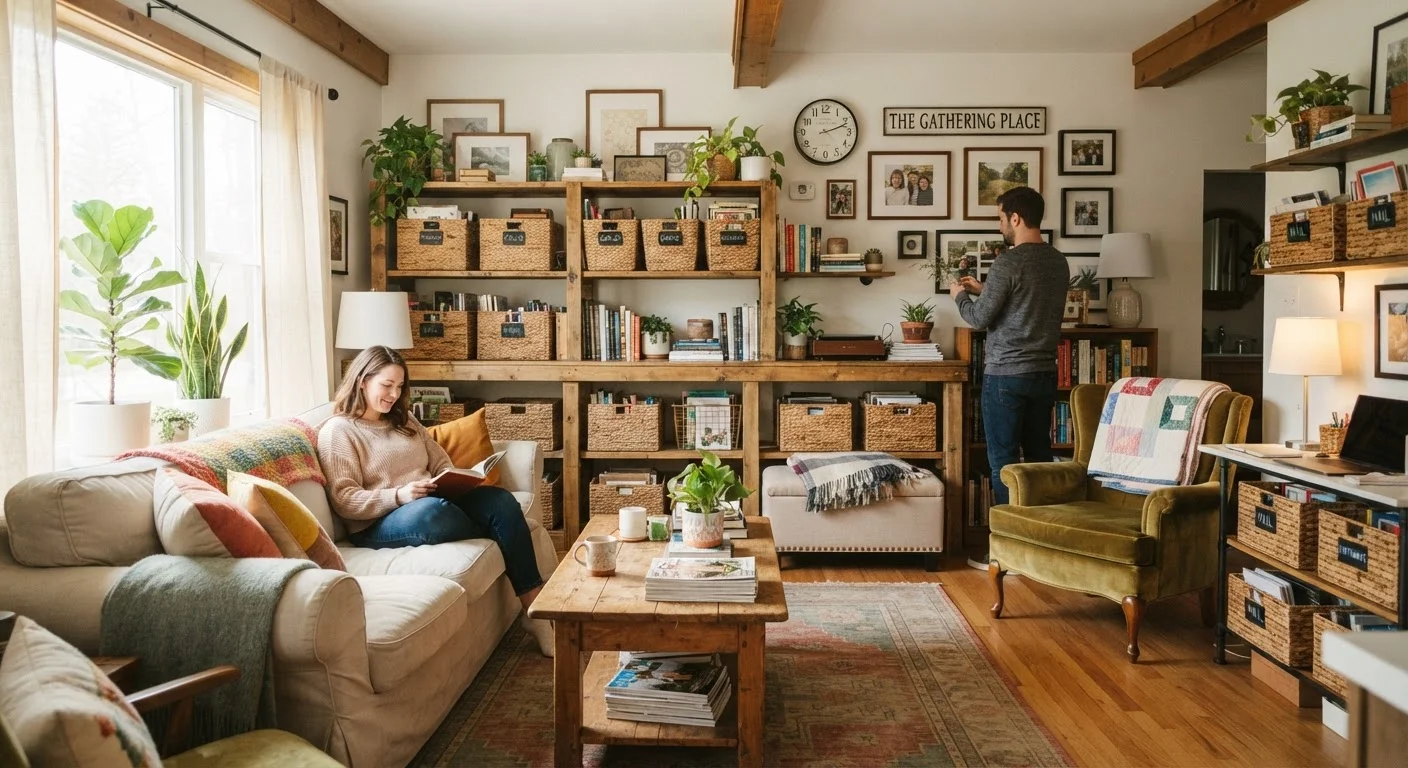
The home organization industry has done a masterful job of equating organization with a certain aesthetic - uniform bins, coordinated palettes, perfectly printed labels. But mismatched containers you already own work just as well functionally. And for many people, the cost and effort required to buy a full set of matching storage products becomes a reason to delay starting altogether. Use what you have. Refine the look later if you want to - but don't let the absence of the right bins be an excuse to avoid building a system that works today.
Myth
Organized people never have piles, catch-all drawers, or messy zones in their homes.
Fact
Most functional homes include designated 'collection zones' - areas where items gather before being sorted or put away.
Piles aren't inherently signs of failure. An entry table that catches keys, mail, and bags is doing exactly what it should. The question isn't whether collection zones exist - they exist in virtually every household - but whether they're intentional and manageable. A catch-all drawer with clear limits is different from a drawer that's become a permanent archive of unidentified objects. Designating where clutter is allowed to collect, and building a habit of clearing it periodically, is a legitimate and effective organizational strategy.
Building Organization That Lasts in a Real Home
Once you let go of the myth that organized means perfect, a more practical path opens up. The homes that stay functional over time are the ones built around real habits, not aspirational systems that collapse the moment life gets busy.
A few principles tend to hold across households:
- Every frequently used item needs a consistent home. Not a pretty home - a reliable one. The hook by the door for keys. The drawer in the kitchen for everyday tools. Consistency beats aesthetics every time.
- Systems should be easier to maintain than to abandon. If putting something away requires more effort than leaving it out, the system will fail. Reduce steps wherever possible - open bins instead of lidded boxes, drawer dividers instead of labeled subcategories.
- Shared spaces require shared agreements, not identical standards. If multiple people use a space, the system has to work for all of them. Imposing one person's organizational style on others typically leads to quiet resistance and drift. Our guide on organizing shared spaces with different standards covers this in depth.
Organization isn't a project you complete - it's a practice you adjust over time. The one-room-at-a-time habit-building approach is a practical way to start without overwhelming yourself, and getting started when you don't know where to begin offers a grounded first-step framework if you're not sure where to focus first.