What Makes Credit 'Secured' or 'Unsecured'?
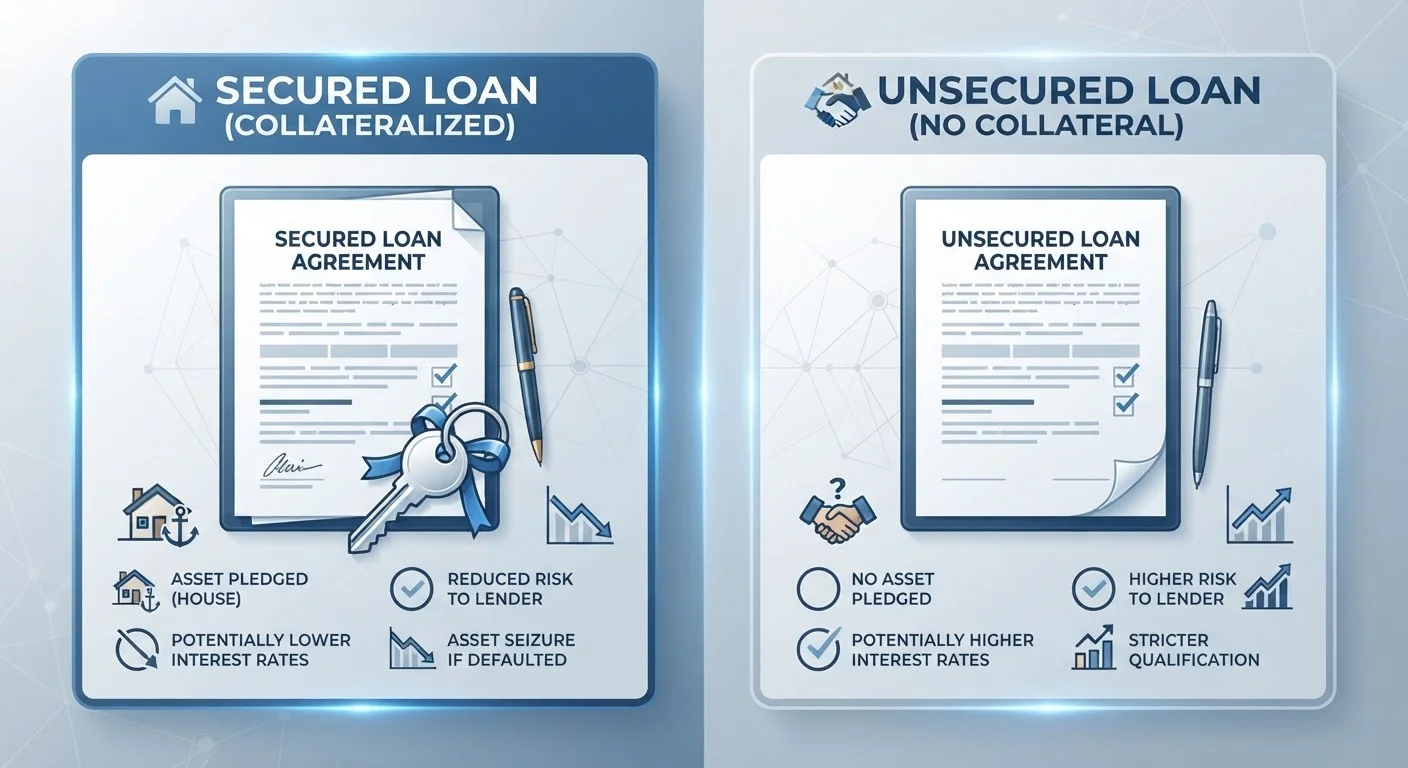
The distinction between secured and unsecured credit comes down to one word: collateral. Collateral is an asset - such as a home, vehicle, or savings deposit - that a borrower pledges to a lender as a guarantee of repayment. If the borrower defaults, the lender has a legal claim to that asset.
Secured credit requires this pledge. Common examples include mortgages (secured by the home), auto loans (secured by the vehicle), and secured credit cards (secured by a cash deposit). Because the lender holds a safety net, the approval process is often more accessible and interest rates tend to be lower.
Unsecured credit involves no collateral. Approval is based entirely on the borrower's creditworthiness - their credit score, income, debt-to-income ratio, and repayment history. Personal loans, most credit cards, and student loans are typical examples. Because lenders take on more risk, they often charge higher interest rates and apply stricter qualification standards.
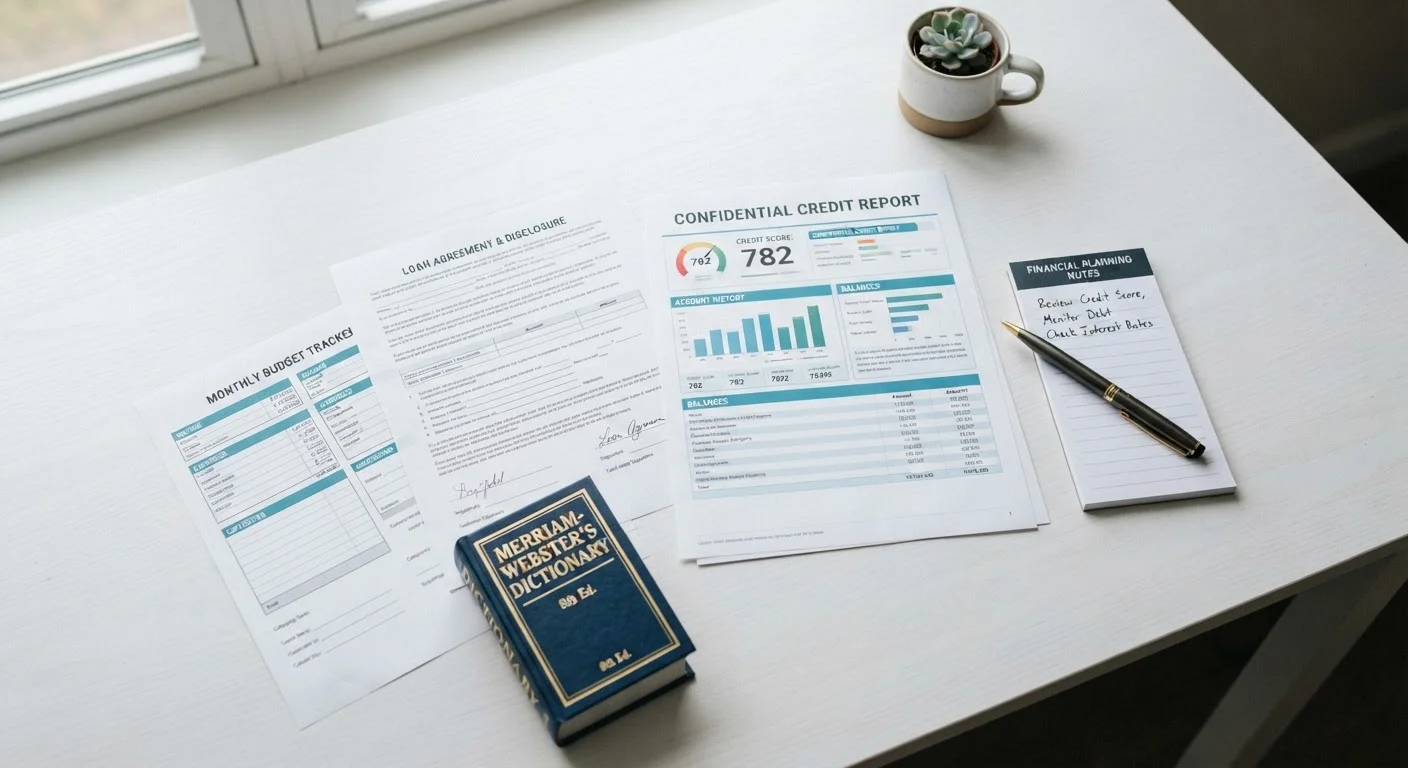
For a deeper look at the vocabulary involved, the credit terminology glossary covers key concepts like APR and credit utilization that apply to both types.
| Criterion | Secured Credit | Unsecured Credit |
|---|---|---|
| Collateral Required | Yes (asset pledged) | No |
| Typical Interest Rates | Generally lower | Generally higher |
| Approval Criteria | Asset value + creditworthiness | Creditworthiness only |
| Default Consequence | Asset repossession or foreclosure | Collections, credit damage, legal action |
| Common Examples | Mortgage, auto loan, secured card | Personal loan, most credit cards |
| Best for Credit Building | Limited or damaged credit history | Established credit profile |
| Loan Amount Potential | Often larger (asset-backed) | Typically smaller or credit-limited |
Risk, Rates, and What Happens When You Default
The risk profile of each credit type affects both parties - lender and borrower - in meaningful ways.
With secured credit, lenders can recover losses by repossessing or foreclosing on the collateral. This reduced risk is typically reflected in lower interest rates. A mortgage, for instance, generally carries a significantly lower rate than an unsecured personal loan of comparable size. However, the borrower bears a heightened consequence: defaulting on a secured debt can mean losing the asset - your home, your car, or your deposit.
With unsecured credit, lenders have no direct claim to property if a borrower defaults. Instead, they typically pursue collections, report the delinquency to credit bureaus, or take legal action to recover funds through a court judgment. This can result in wage garnishment in some states. The absence of collateral risk for the borrower does not mean consequence-free default - credit damage and legal action remain real outcomes.
~60%
Share of U.S. consumer debt that is secured
Mortgage and auto debt together represent the majority of outstanding consumer debt balances, according to Federal Reserve data.
~20%
Average credit card interest rate (unsecured)
The Federal Reserve has reported that average credit card interest rates have reached historically high levels in recent years, reflecting the risk premium on unsecured revolving credit.
35%
Weight of payment history in FICO score
FICO, the most widely used credit scoring model, assigns the largest single weight to on-time payment history - relevant to both secured and unsecured accounts.
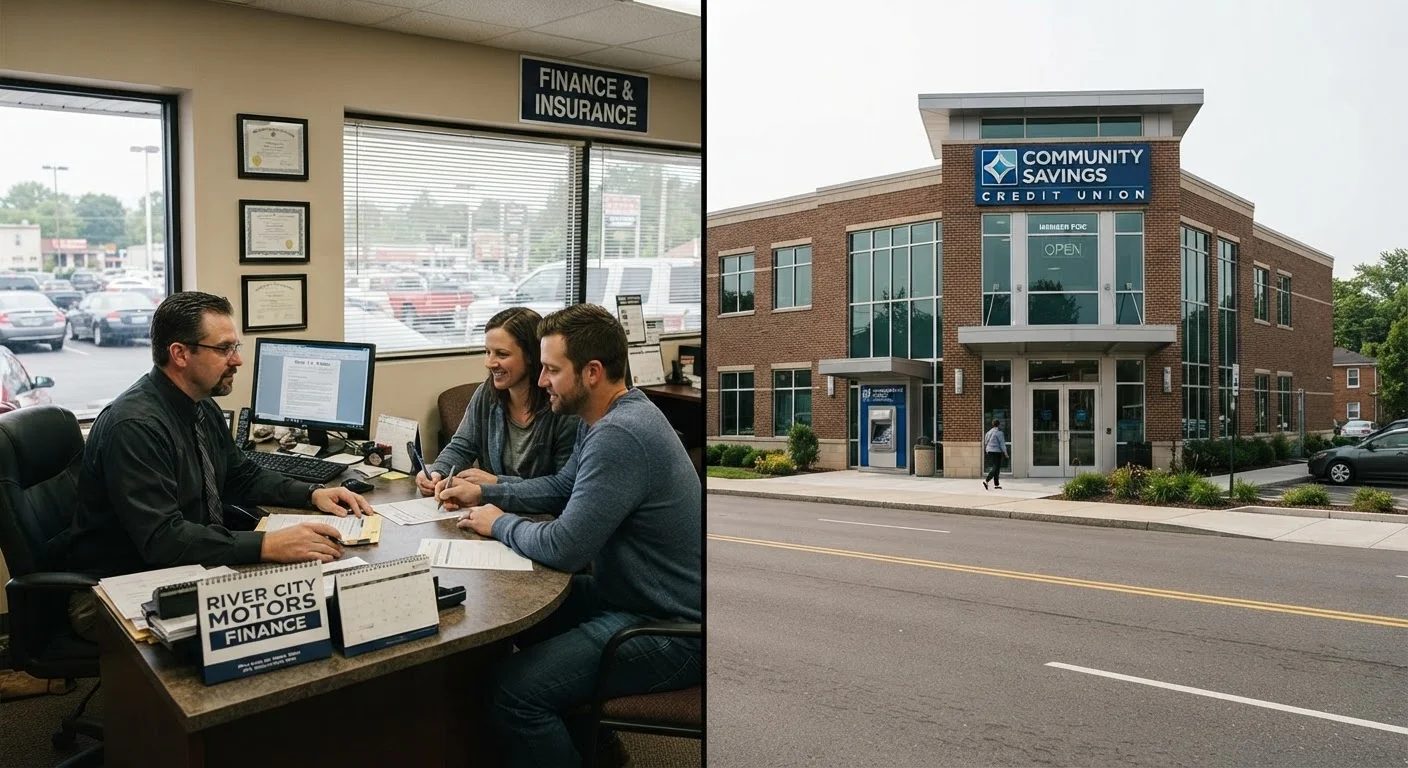
Understanding these risk dynamics is especially relevant when financing major purchases. For example, auto financing options - whether through a dealership or a bank - involve secured loans where the vehicle itself serves as collateral.
How Each Type Fits Into Your Credit-Building Strategy
Both secured and unsecured credit can serve constructive roles in building a healthy credit profile, provided they're managed responsibly. Payment history is the single largest factor in most credit scoring models, and both types report to the major credit bureaus when held with mainstream lenders.
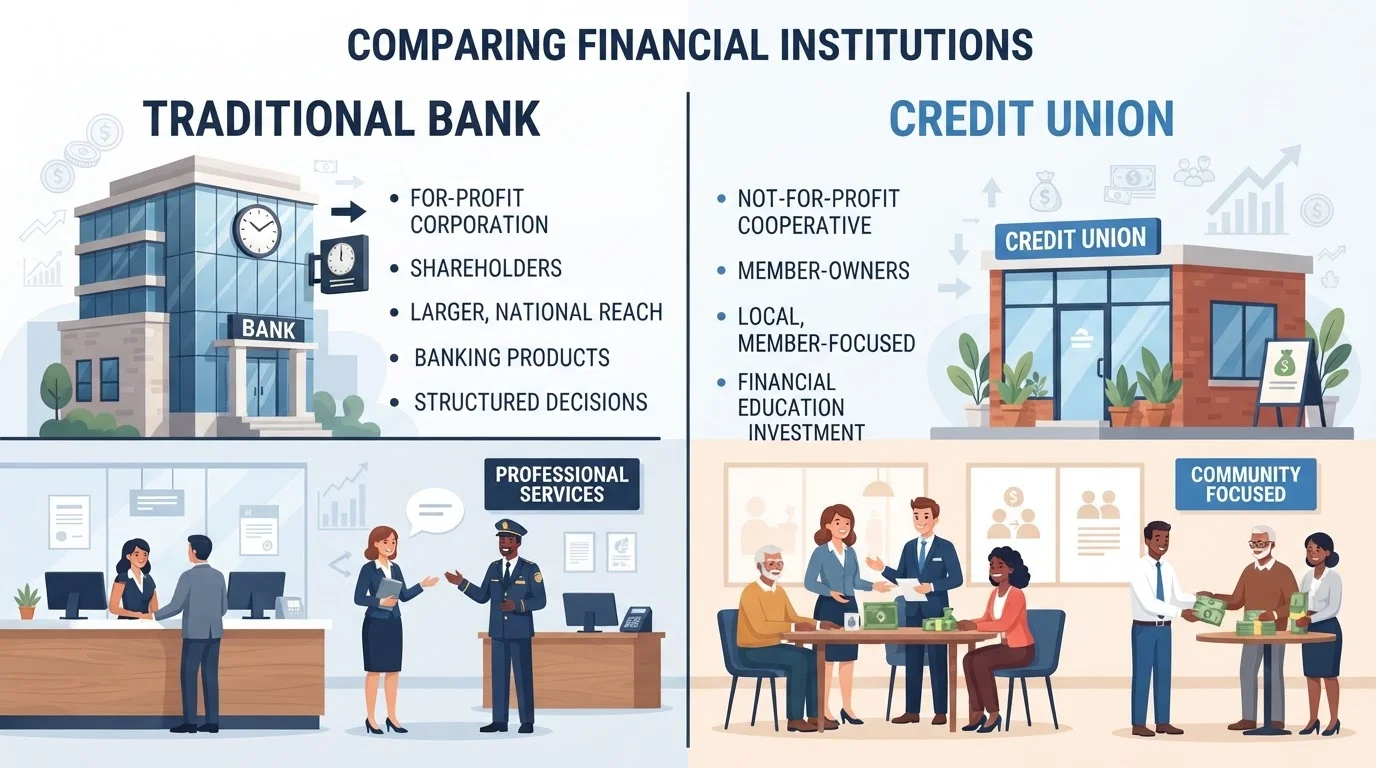
For consumers starting out or recovering from past credit difficulties, secured products offer a lower barrier to entry. A secured credit card, for instance, requires a refundable deposit that typically becomes the credit limit. Used consistently and paid on time, it can help establish a positive payment record. Some credit unions offer credit-builder loans - a structured secured product specifically designed for this purpose. The credit union vs. bank comparison explores how these institutions differ in their approach to such products.
For consumers with established credit, unsecured products offer greater flexibility. Personal loans can consolidate higher-interest debt, while unsecured credit cards may offer rewards and no deposit requirement. As your credit score improves, you may gain access to better terms on both secured and unsecured products. How credit scores influence mortgage options illustrates how this progression matters in high-stakes borrowing scenarios.
For a broader framework on managing both types of debt responsibly, see Understanding Credit and Debt from Every Angle.
This article is for general informational and educational purposes only and does not constitute personalized financial or legal advice. Consult a qualified financial professional regarding your specific situation.