Why Zoning Is a Housing Market Force
Most conversations about home prices focus on interest rates, income levels, or migration trends. But one of the most powerful and least visible drivers operates at the local government level: zoning. The rules a city or county sets for how land can be used determine, in a very literal sense, how many homes can exist in a given area - and scarcity drives prices.
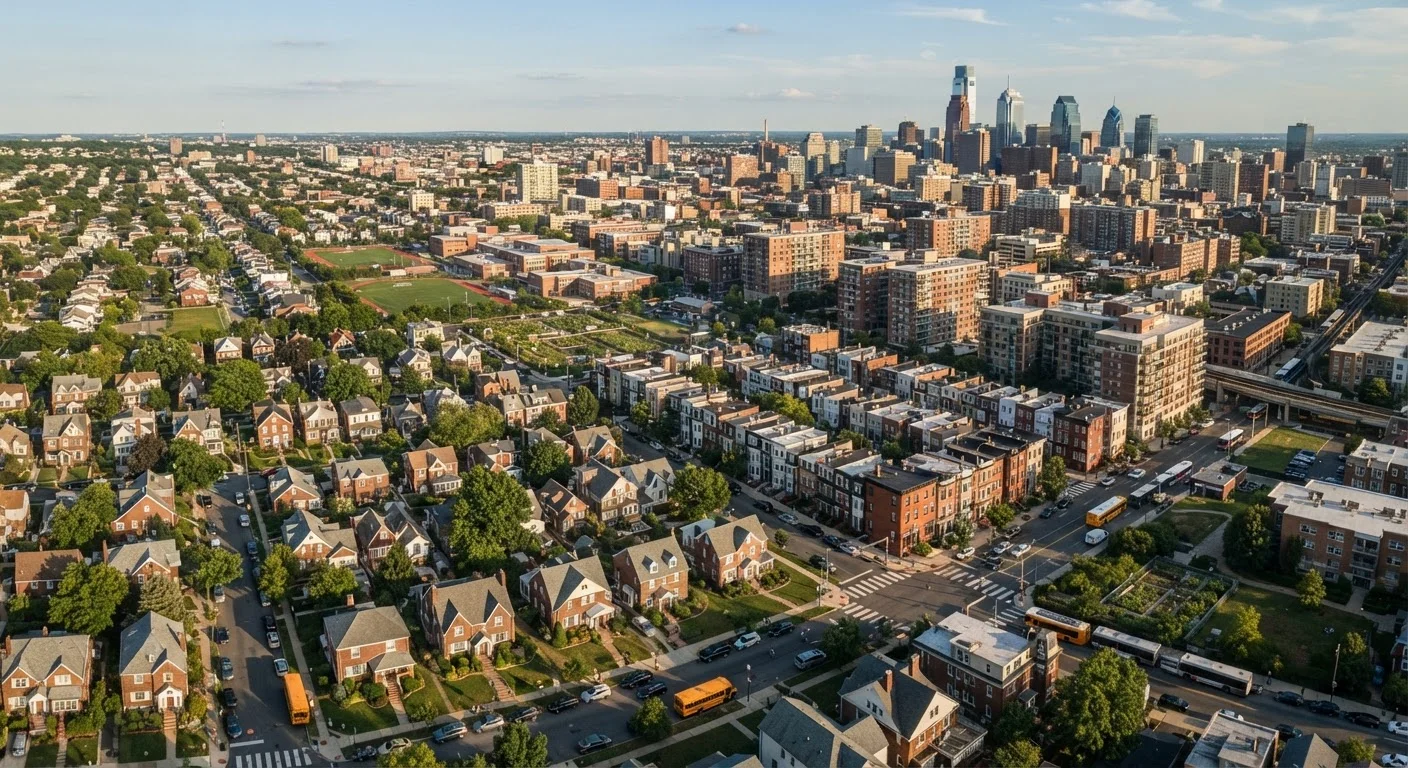
The United States developed much of its suburban landscape under a framework of single-family zoning, which reserves large portions of residential land exclusively for detached, one-unit homes. By some estimates, more than 75 percent of residential land in major U.S. cities is zoned this way. The effect is a structural ceiling on supply: no matter how many people want to live in a desirable area, the number of housing units that can be built there is tightly controlled.
Local zoning is one reason home prices diverge so sharply between regions even when broader economic conditions look similar. Two neighboring counties with comparable job markets can have drastically different home prices simply because one has permissive land-use rules and the other does not.
The Mechanics: How Zoning Restricts Supply
Zoning shapes supply through several overlapping mechanisms:
- Use restrictions determine which types of structures are allowed - single-family only, or also duplexes, triplexes, apartments, and mixed-use buildings.
- Minimum lot sizes require that each home sit on a parcel of a certain square footage, limiting how many homes can be built per acre.
- Height limits and setback rules restrict how tall buildings can be and how close they can sit to property lines, reducing the number of units possible on urban parcels.
- Parking minimums require a set number of off-street parking spaces per unit, consuming land that could otherwise accommodate housing.
Each rule, individually, may seem administrative. Taken together, they form a framework that can make it economically or legally impossible to build the types of housing most needed in high-demand areas - particularly smaller, more affordable multifamily units.
75%+
Residential land zoned single-family only in many major U.S. cities
Researchers at the University of California, Berkeley and other institutions have documented that the majority of residential land in cities like San Jose and Seattle is restricted to single-family use.
3.8M
Estimated U.S. housing unit shortfall
Freddie Mac and other housing analysts have estimated a multi-million unit gap between housing supply and household demand, with restrictive zoning widely cited as a contributing factor.
10-20%
Estimated home price premium from restrictive land-use regulation
Academic research, including work published by the National Bureau of Economic Research, has found that restrictive zoning is associated with significantly higher housing costs in affected markets.
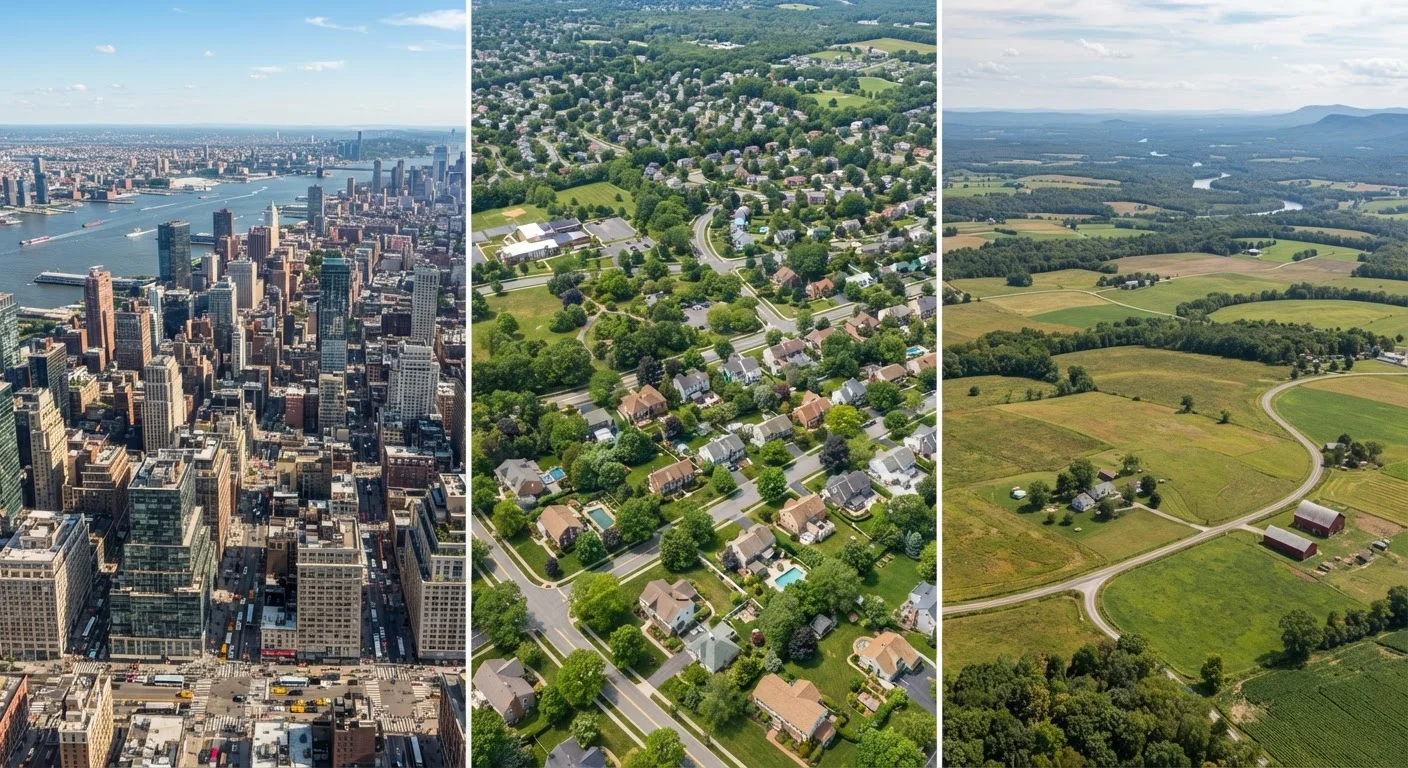
These dynamics play out differently in urban, suburban, and rural markets, where land scarcity and zoning regimes interact in distinct ways.
Upzoning, Reform, and the Affordability Debate
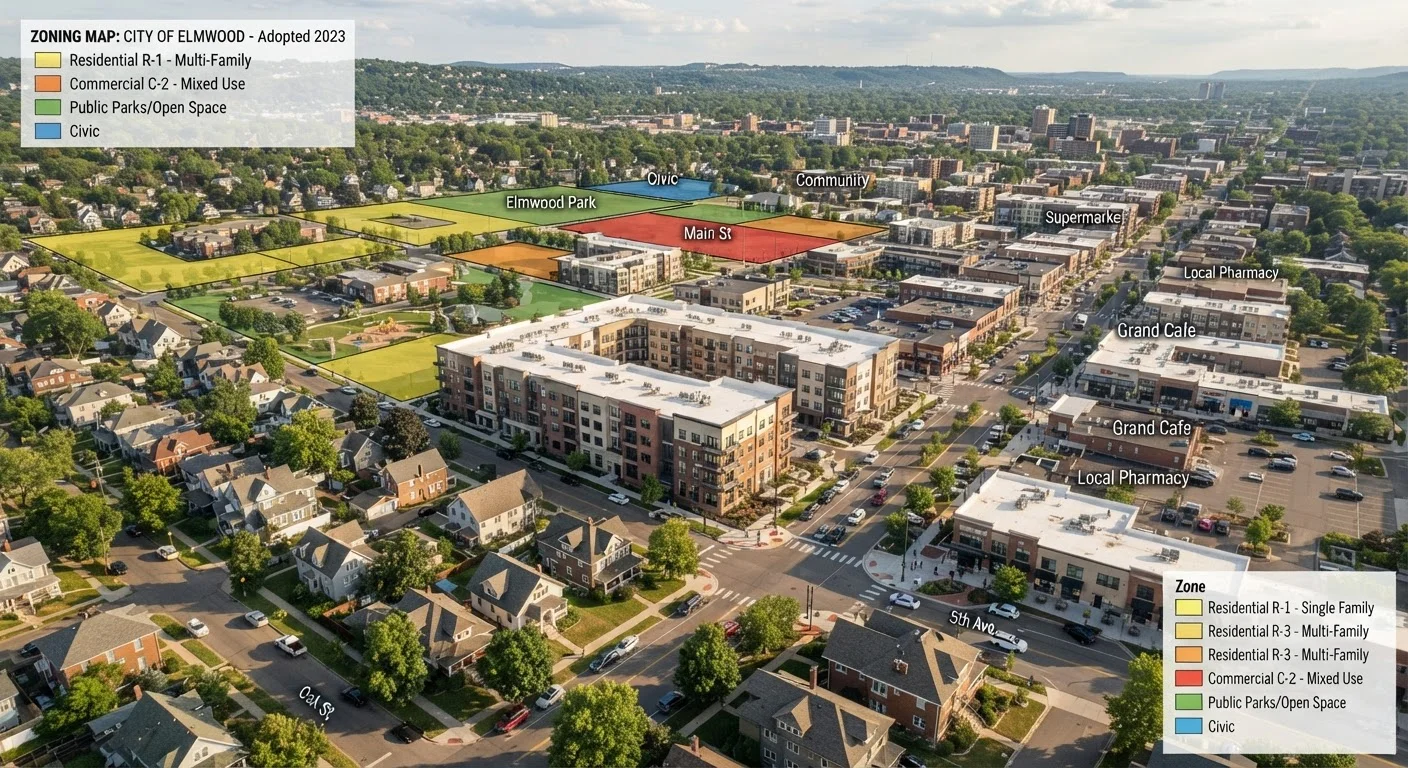
Upzoning - the process of changing land-use rules to allow greater density - has become one of the central policy debates in American housing. Several states, including California, Oregon, Minnesota, and Montana, have passed legislation that limits the ability of local governments to ban multifamily housing outright, particularly near transit stops and in high-opportunity neighborhoods.
Proponents argue that allowing more housing types across a broader area increases supply, distributes housing opportunity more equitably, and moderates price growth over time. Opponents often raise concerns about neighborhood character, infrastructure strain, and the pace of change.
The research on upzoning's price effects is nuanced. New market-rate construction, even when it's not affordable by traditional definitions, can relieve pressure on existing housing stock by giving higher-income households new options - a process sometimes called filtering. But the timeline matters: meaningful price effects typically require sustained construction over years, not months.
Demographic shifts are adding urgency to these supply questions, as different generations seek different housing types in different locations.
What This Means for Homebuyers and Renters
For anyone making a housing decision, zoning context matters more than most people realize. A neighborhood's current affordability - and its future trajectory - is partly a function of what local rules allow to be built nearby.
If you're evaluating an area, consider checking whether it's in a municipality that has recently upzoned or is facing development pressure. More permissive zoning can signal more future inventory. Conversely, highly restrictive jurisdictions with strong demand tend to sustain higher price floors over time.
For renters deciding whether the math of buying works in their market, the zoning backdrop is relevant context. Weighing renting versus buying in a high-price market requires understanding not just current prices but whether supply constraints are structural - and likely to persist.
Zoning is not the only variable in housing affordability, but it is one of the most durable. Unlike interest rates, which move with monetary policy, zoning is embedded in local law and changes slowly. Understanding it helps readers move beyond surface-level price comparisons toward a clearer picture of why housing markets behave the way they do.
This article is for general informational purposes only and does not constitute legal, financial, or real estate advice. Readers should consult qualified local professionals for guidance specific to their circumstances.