Why Most Organization Attempts Fail
Most people organize reactively - they tidy a surface when it gets unbearable, then wonder why the mess returns within a week. The problem isn't effort or motivation. It's the absence of a system that tells items where they belong.
When a home lacks defined functional areas, objects drift. A phone charger lands on the kitchen counter. Homework spreads across the dining table. Tools end up in the bathroom. Each item out of place is a small decision that drains energy and contributes to the feeling that your home is always on the verge of chaos.
Zone-based organization solves this at the root. By assigning consistent purposes to specific areas, you stop managing clutter item by item and start managing it at the system level. See the broader whole-home organization framework if you want a room-by-room companion to this approach.
What Makes a Zone Work
A functional zone has two non-negotiable ingredients: a defined boundary and dedicated storage for everything that activity requires.
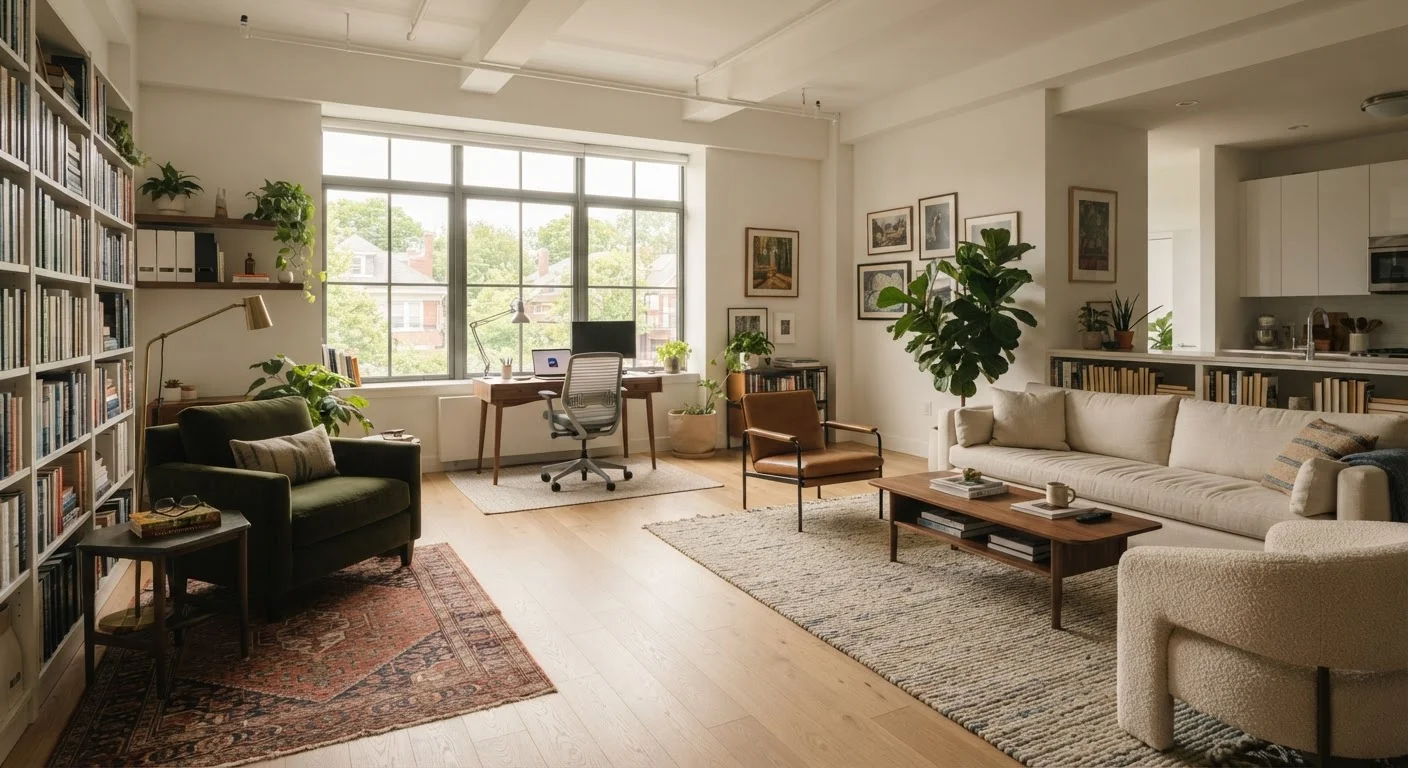
The boundary doesn't have to be a wall. An area rug, a change in lighting, a specific piece of furniture - all of these signal to your brain (and to everyone else in the household) that this area has a particular purpose. Visual cues matter more than most people expect.
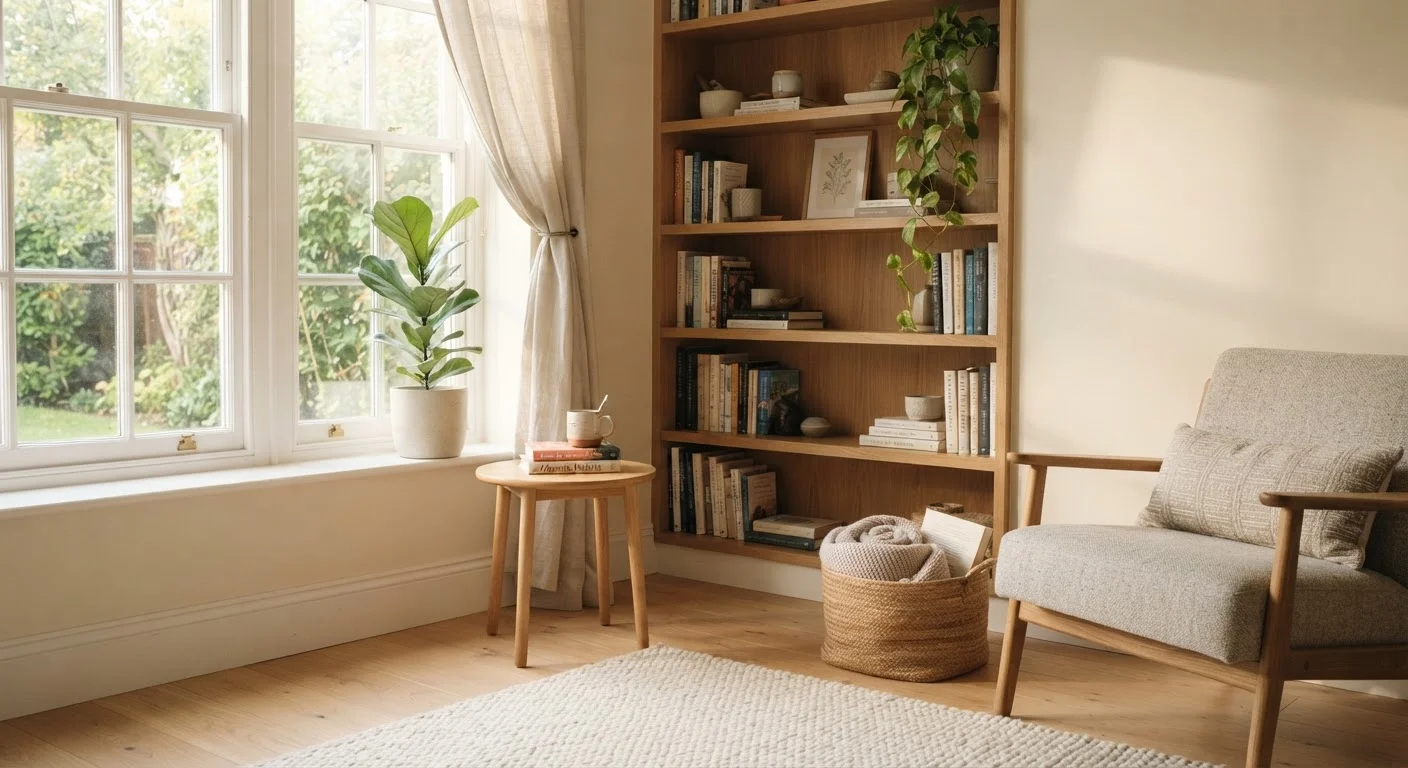
Dedicated storage means the supplies for an activity live inside the zone. A homework zone without pencils and paper nearby isn't really a homework zone - it's just a table. When everything needed for a task is already where the task happens, setup friction drops to almost zero, and so does the urge to leave things out "just for now."
Start With Your Highest-Friction Spot
Rather than overhauling the entire home at once, identify the single area where daily clutter causes the most stress - the kitchen counter, the entryway, the dining table - and define that zone first. A working system in one place builds momentum and confidence before you expand. For a sustainable habit-building approach, see our one-room-at-a-time strategy.
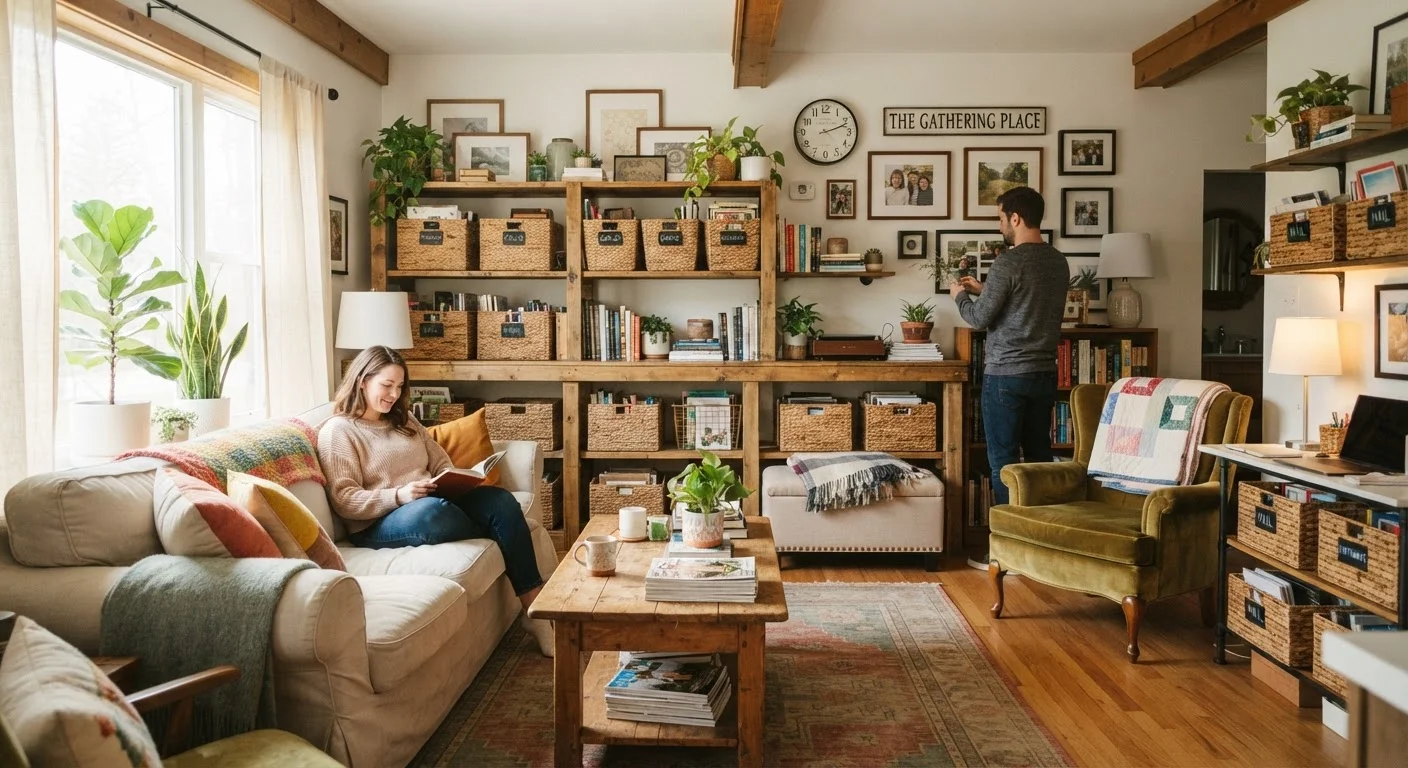
If you share your home with others, clearly defined zones also reduce negotiation overhead. For more on that dynamic, see organizing a home everyone actually uses.
Common Zones and How to Define Them
Every household is different, but these are among the most impactful zones to establish first:
- Entry zone: The transition point between outside and inside. Hooks, a tray for keys, and a spot for bags prevent outdoor items from migrating deeper into the home.
- Work or focus zone: A dedicated surface - even a corner of a room - reserved for focused tasks. Keeping this separate from relaxation areas helps your brain switch modes more easily.
- Meal prep zone: Beyond the obvious counter space, this means keeping frequently used tools, cutting boards, and dry ingredients clustered near where cooking actually happens.
- Relaxation zone: A sofa area, a reading chair - wherever you decompress. Keeping work items and clutter out of this zone protects its mental purpose.
- Charging and tech zone: One predictable place where devices live when not in use. This alone eliminates the daily "where's my phone?" search.
In smaller homes, some zones will overlap physically. That's fine - what matters is that each mode of activity has a clear trigger environment, even if it shares square footage with another zone.
~23 min
Average time lost daily to searching for misplaced items
Research cited by the National Association of Professional Organizers suggests Americans lose roughly 23 minutes per day to locating misplaced items - a problem that dedicated zones directly address.
3-5
High-impact zones most homes can establish immediately
Organization specialists commonly recommend starting with three to five high-friction zones - entry, work, and meal prep areas - before extending the system further.
Applying Zones Without a Renovation
Zone-based organization is a mindset shift, not a construction project. You don't need to knock down walls or buy new furniture to implement it.
Start by walking through your home and noting where daily friction occurs: Where do bags always land? Where does paperwork pile up? Those are your first zones to define. Then ask what supplies that activity needs and whether they're currently within reach.
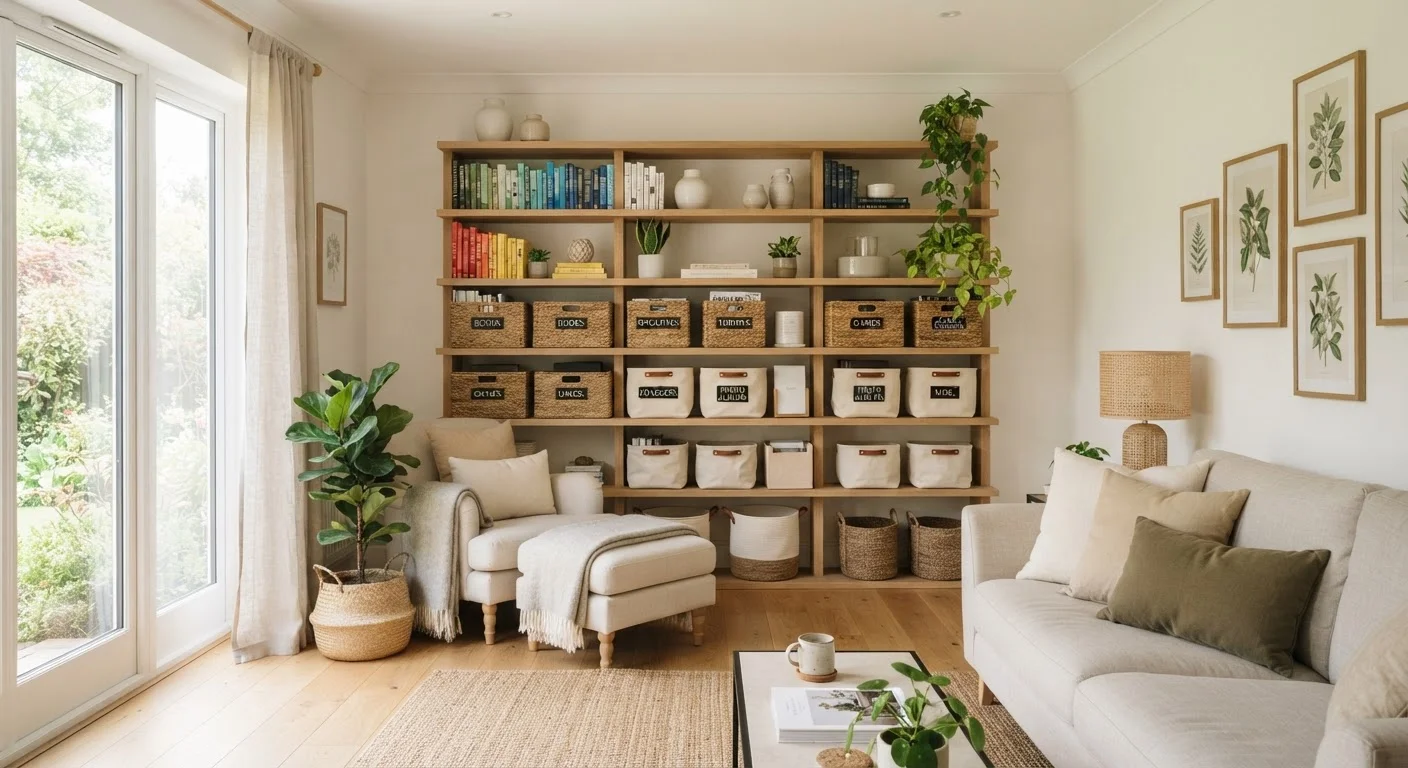
For open-plan layouts, rethinking your storage approach - using vertical shelving, baskets, or carts - can help you contain a zone's supplies without consuming more floor space.
Lighting is an underused zone-defining tool. A floor lamp next to a reading chair, or under-cabinet lighting above a prep counter, reinforces the function of a zone without any structural change.
Once two or three zones feel stable, use the home organization terms reference to deepen your vocabulary and refine the system further. The goal is a home where the environment itself does most of the organizational work - so you don't have to.