The Basic Mechanics of Planned Obsolescence
Manufacturers have at least two ways to shorten a product's useful life without making it obvious at the point of sale. The first is physical: components chosen for cost savings rather than durability, adhesives instead of screws, or a battery embedded in a way that makes replacement impractical. The second is systemic: withdrawing software updates, discontinuing replacement parts, or designing accessories that only work with newer product generations.
Both approaches produce the same outcome - a consumer who needs to spend money again sooner than the underlying technology would otherwise require. Understanding which type you're dealing with helps you evaluate the real cost of ownership before you commit to a purchase.
A smartphone manufacturer stops releasing software updates for a model after three years, even though the hardware is still functional.
A consumer purchases a popular pair of wireless earbuds with a sealed, non-replaceable battery.
An appliance manufacturer discontinues replacement parts for a washing machine model seven years after its release.
An automaker introduces a redesigned exterior styling every three to four years while the underlying platform remains largely unchanged.
How to Spot It Before You Buy
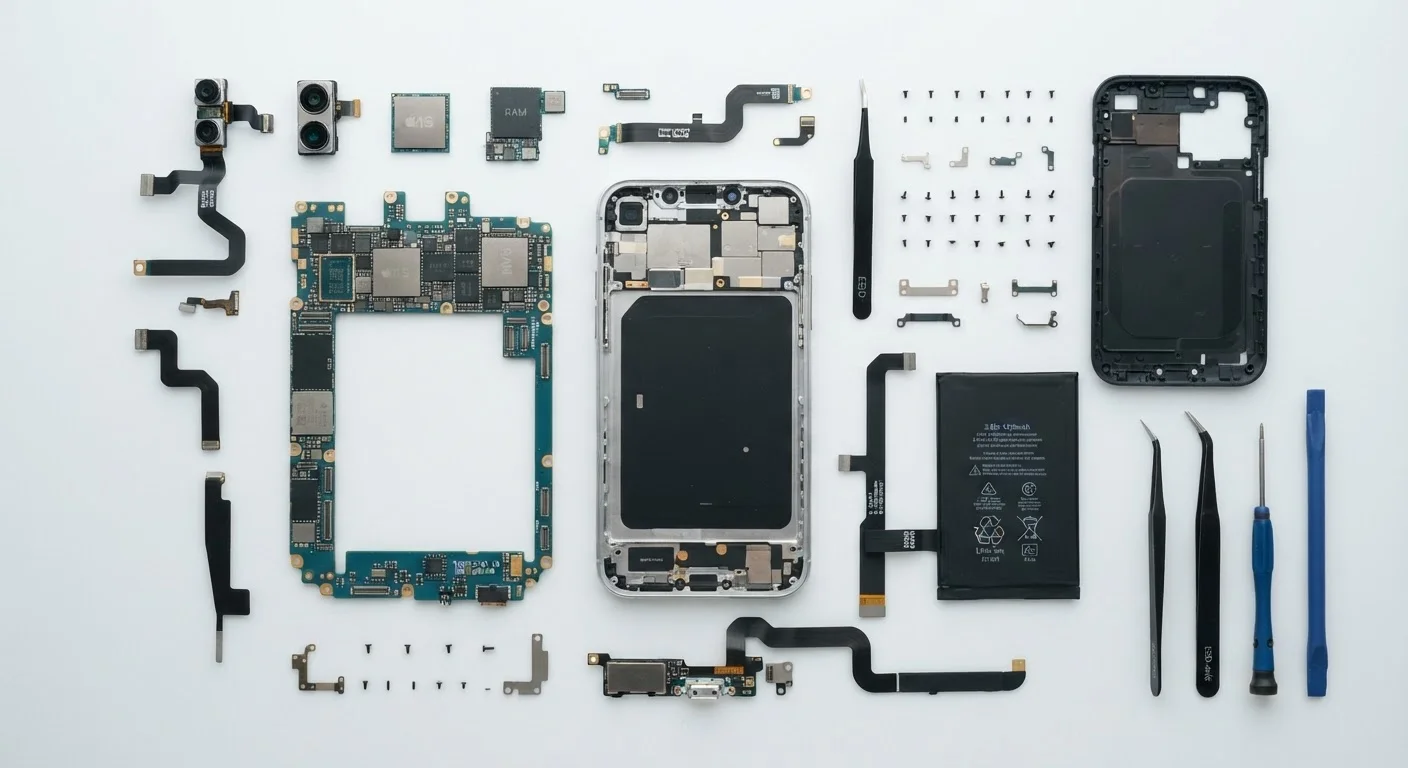
Several design signals correlate with shorter product lifespans. Sealed, non-replaceable batteries are among the most common. When the battery degrades - typically within a few years of regular use - the entire unit often becomes impractical to keep. Similarly, proprietary fasteners and glued housings make repairs expensive or impossible outside the manufacturer's own service channels.
On the software side, check how long a manufacturer typically commits to security and operating system updates for that product category. A device sold today with only two or three years of guaranteed software support carries a built-in expiration date regardless of its physical condition.
Repairability scores published by independent organizations rate products on criteria like ease of disassembly, parts availability, and documentation. These scores are imperfect but provide a useful cross-check against manufacturer claims.
What It Means for Long-Term Value
The sticker price tells you only what you pay today. Total cost of ownership - purchase price plus maintenance, repairs, and eventual replacement - is a more honest measure of value, especially for products you plan to use for years.
A product engineered for five years of use that costs less upfront may result in higher total spending than a more durable alternative if the replacement cycle is significantly shorter. This is especially relevant for household appliances, vehicles, and electronics that anchor daily routines.
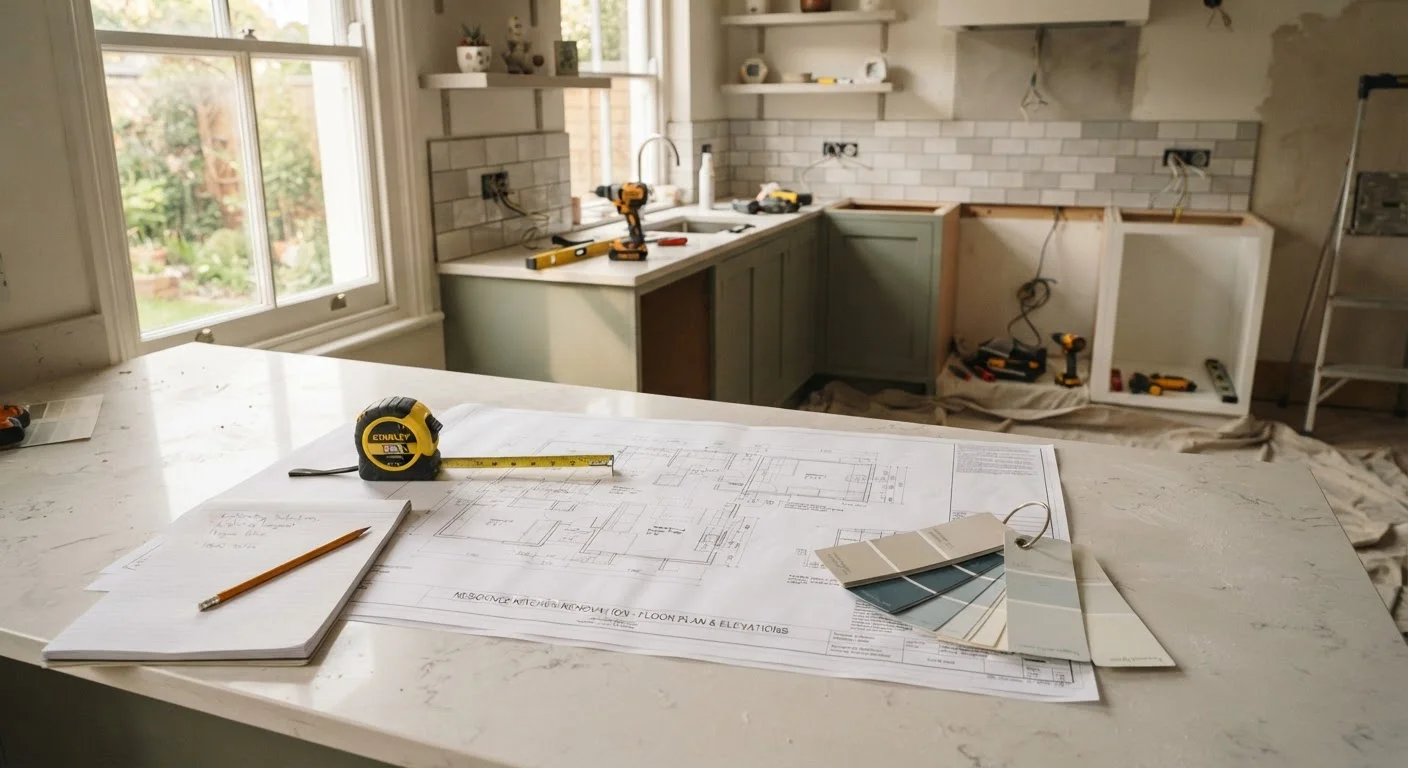
The same logic applies when evaluating home improvement materials. Flooring, roofing, and fixtures sold at low price points sometimes achieve that cost through compromises in material quality that shorten service life. Planning any home improvement project should include a realistic assessment of how long each material choice is expected to perform before it needs repair or replacement.
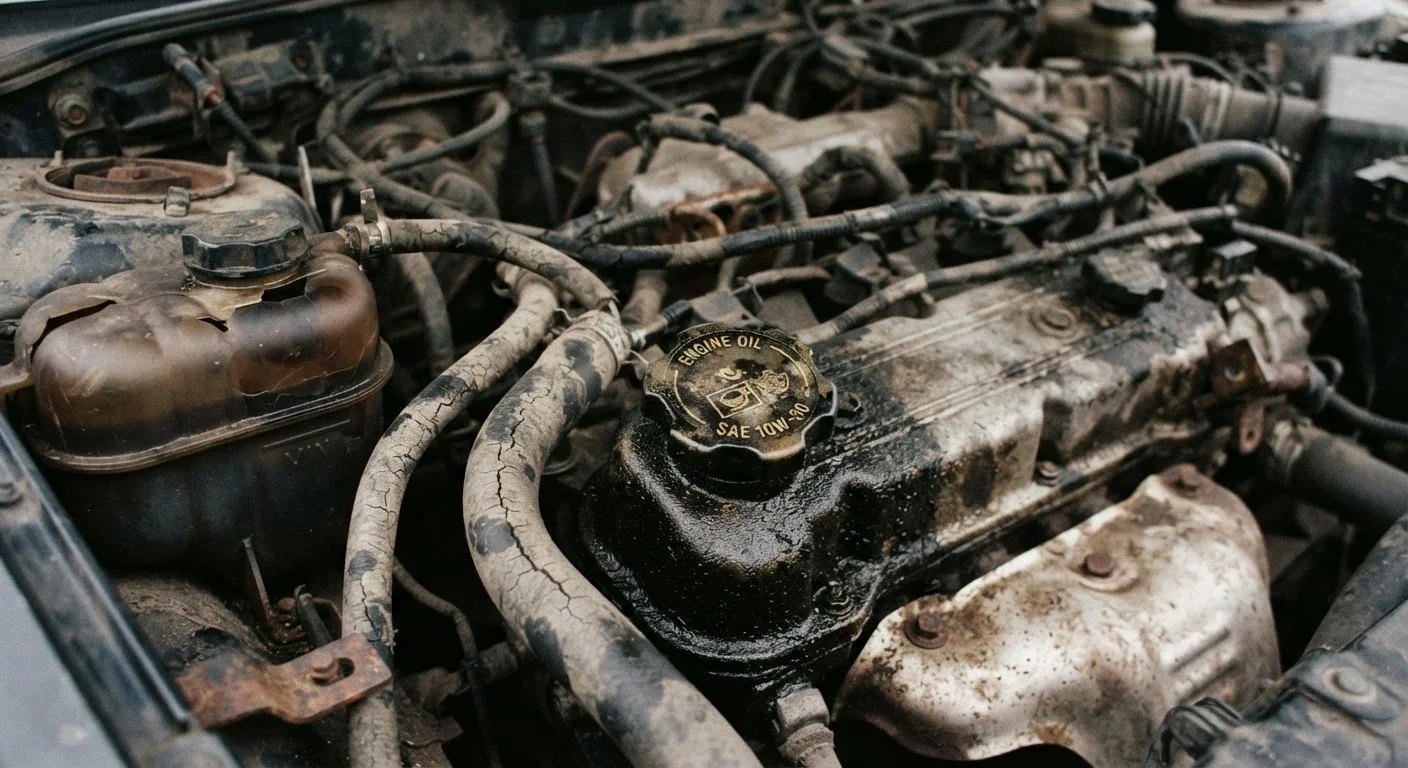
For vehicles, physical wear patterns and maintenance shortcuts can interact with manufacturer design decisions in ways that accelerate depreciation. A car's resale value - already affected by standard depreciation curves - can fall faster when parts become scarce or proprietary repair requirements raise service costs.
50M+ tons
Global e-waste generated annually
According to the United Nations Global E-waste Monitor, the world generates over 50 million metric tons of electronic waste each year, a volume closely linked to short product replacement cycles.
~3 years
Average U.S. smartphone replacement cycle
Research from industry analysts has consistently placed the average U.S. smartphone upgrade interval at approximately two to three years, well below the typical functional lifespan of the hardware.
70%+
Consumers who would repair rather than replace
Surveys conducted by consumer advocacy organizations have found that a large majority of respondents would prefer to repair a product if repair were affordable and accessible, suggesting demand exceeds available repair infrastructure.
Making More Informed Decisions
The most practical defense against planned obsolescence is research done before purchase. Prioritize products where parts are independently available, repairs are documented, and the manufacturer has a track record of extended software support. Asking whether a product can be repaired - and at what cost - before buying shifts the framing from impulse to investment.
Time horizon matters here, just as it does in financial planning. A consumer who expects to use a product for a decade has different needs than one who upgrades frequently by choice. Thinking in terms of time horizons is a useful mental model for any significant purchase, not just financial instruments.
Extending the life of what you already own is equally important. Routine maintenance habits can meaningfully offset the effects of components designed for limited service life. The same principle applies across product categories: consistent care compresses the advantage that manufacturers gain from design-driven obsolescence.